


Your Dog Dies and Work Gives You Zero Days Off. That's Starting to Change.
Companies rushed to add pet insurance and 'pawternity' leave for new adoptions. The benefit that lagged behind, paid time off to grieve a pet who died, is finally gaining ground.

Losing a pet flattens you. Anyone who has done it knows the particular disorientation of a house that is suddenly too quiet, and the strange shame of feeling wrecked over an animal while the rest of the world expects you at your desk the next morning. That gap, between how heavy the loss feels and how little room there is to grieve it, is exactly what a small but growing number of employers are finally trying to close.
Pet-friendly perks have exploded over the past decade. Bereavement leave for a pet who has died, though, remains one of the rarest offerings on the menu, even though it may be the one grieving employees need most.
Offices got pet-friendly fast
The workplace caught up to how central pets have become. Roughly two-thirds of U.S. households now include at least one pet, and that reality followed people to work. Surveys have found overwhelming support for pets in the office, with the vast majority of workers in favor and a majority of job seekers treating pet-friendly policies as a real factor when weighing an offer.
Employers noticed. Bringing dogs to work went mainstream at major companies, and pet insurance quietly joined the benefits package at a range of large employers alongside human health coverage. “Pawternity” leave, paid time off to settle in a newly adopted pet, moved from novelty to genuine perk.
The benefit that got left behind
Grieving a pet, by contrast, still tends to happen on your own time, unpaid and unacknowledged. That is a strange omission, because the grief itself is anything but minor.
Research on pet loss has repeatedly found that the distress people feel can rival what they feel losing a human loved one. What sets it apart is not intensity but legitimacy: pet grief is far more likely to be disenfranchised, the kind of loss others quietly expect you to shrug off, which layers embarrassment on top of sorrow. A few days of formal bereavement leave does something surprisingly powerful in that context. It tells an employee the company understands the loss is real and worth pausing for.
There is a business case underneath the empathy, too. Employers who have added pet bereavement policies report better morale, stronger retention, more loyalty, and less stress on their teams, the same returns companies chase with every other well-being benefit.
What’s new: the companies actually doing it
The idea is moving from conference-panel talk to real policy, and a handful of employers now name it outright.
The pet-sitting platform Rover offers its employees three paid days of bereavement leave when a pet dies, and pairs it with generous new-pet leave on the front end. Other companies have gone further on the adoption side: some offer up to two weeks of paid time for adopting a shelter pet, and a few give a full week. On the bereavement side specifically, a scattered but real list of employers, including hospitality, tech, and pet-industry names like Trupanion, Kimpton Hotels, and VMware, have built in some form of paid time to grieve.
Policymakers are circling the idea as well. Through the 2025 to 2026 legislative cycle, several states floated bills addressing pet-related leave. None has become law yet, but the fact that the concept is showing up in statehouses at all marks how far the conversation has traveled in just a couple of years.
Why the timing makes sense
Part of what is driving this is a generational shift in what “family” means. A growing share of younger workers are delaying or forgoing children, and for many of them a dog or cat is not a starter responsibility but the center of the household. Offering pet bereavement leave, as one executive who champions the idea has put it, signals to that workforce that an employer sees them as whole people whose lives outside the office inevitably shape their lives inside it.
If you are an employee, it is worth checking your own handbook, some companies fold pet loss into general bereavement or flexible personal-leave policies without advertising it. And if you manage people, this is one of the cheaper forms of goodwill available: a couple of paid days at the worst moment of someone’s year tends to be remembered for a long time.
The animals we live with have become family in every way that counts. Slowly, the calendar at work is starting to admit it.
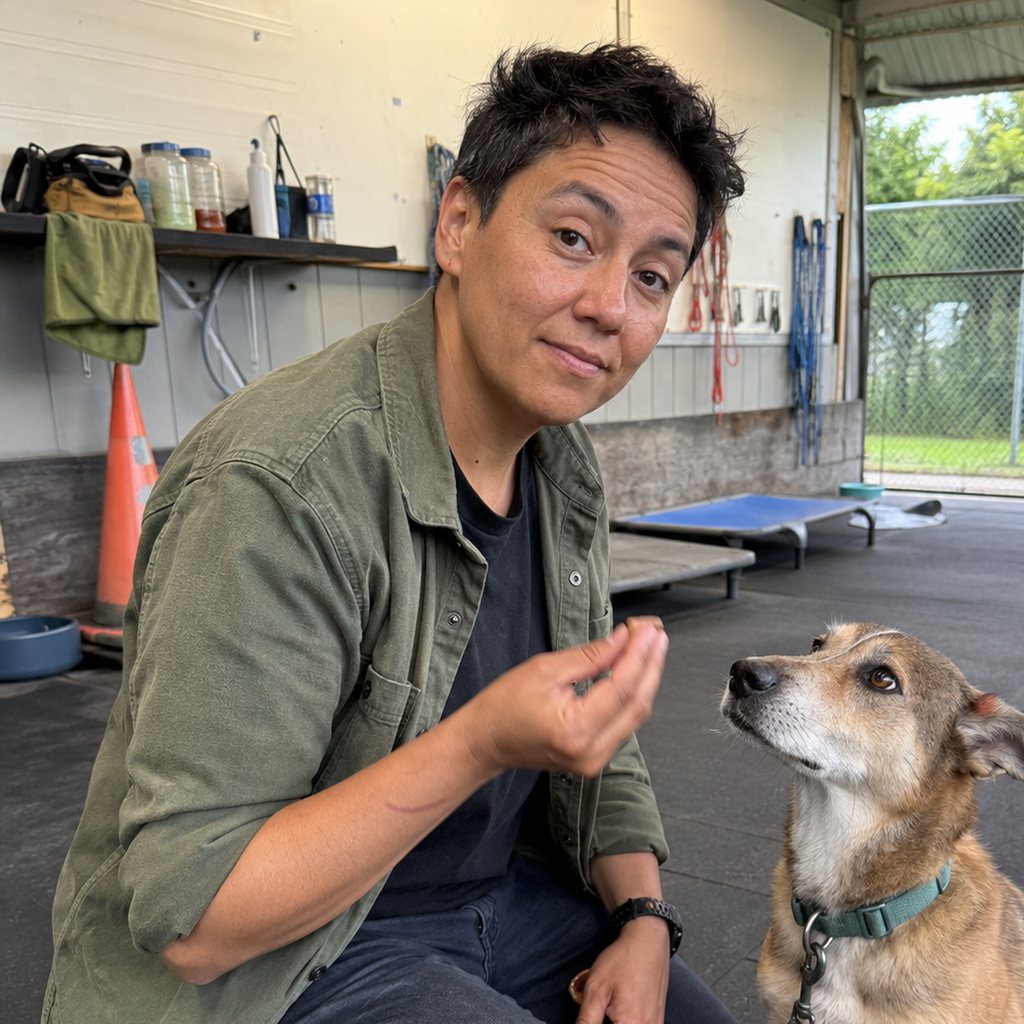
Jordan Ellis is a certified professional dog trainer with a decade of experience working with rescue organisations and private clients. They specialise in anxiety, reactivity, and positive reinforcement methods, and review all training and behaviour content at The Pet Times.
Meet our experts ↗Keep reading
 LivingTom Brady Cloned His Dog for $50,000. Most of Gen Z Says They'd Do It Too.Jordan Ellis · 9 min
 LivingThe Vet at the Ukrainian Border Treats Animals to Reach the People Holding ThemDr. Amara Solis · 6 min
 LivingThe Biggest Study Ever on Pets and Mental Health Is Funded by a Pet-Food CompanySara Lim · 7 min
 LivingIf You Died Tomorrow, Who Feeds the Dog? Put It in Writing.Leila Torres · 6 min
 LivingThe Internet's Favorite Grief Metaphor Just Got a Real AddressNina Vasquez · 4 min
 LivingHalf of Survivors Won't Leave Without the Dog. Only 12% of Shelters Take One.Nina Vasquez · 9 min