


Your Dog's Next Treat Could Help Wipe Out an Invasive Species. That's the Whole Idea.
Devil fish, silver carp, green crab, and nutria are wrecking ecosystems. A wave of pet brands is turning them into treats, and clearing tons of them from waterways in the process. Here's what to buy.

Affiliate disclosure. This article contains affiliate links. We may earn a small commission if you buy through a link, at no extra cost to you. How we handle recommendations.
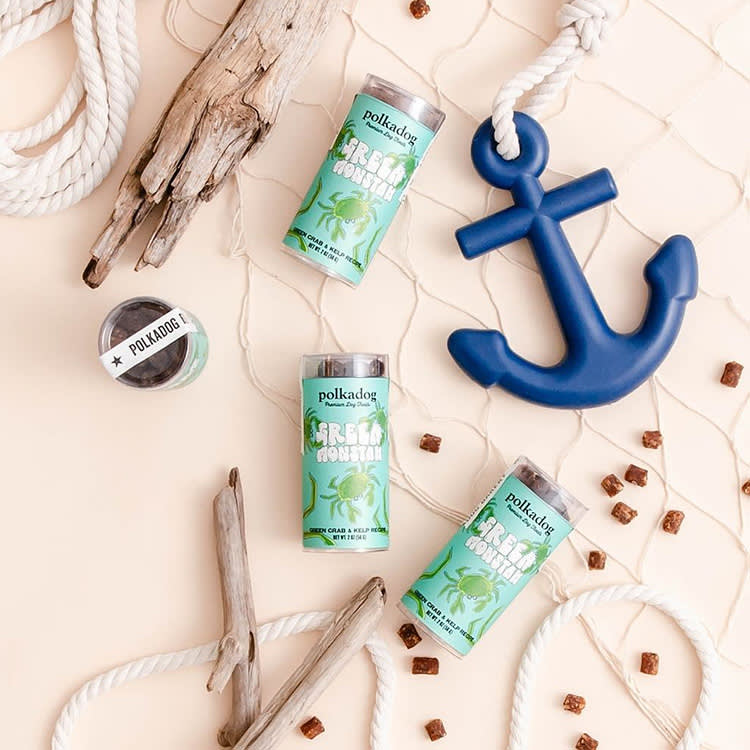
Go back to the 1860s and the earliest commercial dog food, a “Meat Fibrine Dog Cake,” was built from beef blood, beetroot, wheat flour, and vegetables. Since then we have fed dogs nearly every protein imaginable, right down to crickets. The newest frontier is stranger and, oddly, more hopeful: treats made from the very species that are tearing up local ecosystems.
Invasive species, organisms that cause harm once introduced to a place they do not belong, are notoriously hard to get rid of. Once established, they are close to impossible to eradicate. Unless, it turns out, something hungry develops a taste for them. A growing group of pet-food companies is betting that your dog can be part of the solution, and the numbers behind that bet are more serious than the gimmick sounds.
Devil fish, silver carp, and green crab walk into a dog bowl
Several brands now build products around invasive species, both to rebalance ecosystems and to support the local hunters and fishers who harvest them.
Take Pezzy, which launched in 2021 with treats made from armored catfish caught in Mexico, where the fish is known, not affectionately, as pez diablo, the devil fish. It first arrived from Brazil around the early 2000s, most likely through the aquarium trade, and has since overrun the region, so thoroughly, the founder says, that in some spots you can pluck one straight out of the water by hand.
Roughly 2,000 miles to the north, silver carp from China are stripping the Great Lakes of plankton. These fish reach up to 60 pounds and can eat between 20 and 120 percent of their body weight in plankton a day. When the Canadian company Wilder Harrier was choosing novel proteins for its early products, silver carp won out over options like seaweed and yeast protein purely on the scale of the problem it could help address.
Then there is green crab. At a recent Global Pet Expo, the 21-year-old Boston brand Polkadog announced its Green Monstah treats, made from green crab, local kelp, brown rice, and potato flour. The crab is a crustacean that reached New England from across the Atlantic back in the mid-1800s.
And not everything comes from the water. There are now treats built on Hawaii’s Axis deer, raw food from New Zealand’s wild venison, and snacks made from Louisiana nutria, every one of them a species wreaking ecological or economic havoc where it has taken hold.
Why these animals are worth eating
When an invasive species arrives somewhere new, it usually lands without natural predators, so it multiplies fast and then outcompetes native species for food and space. Some studies now rank invasives as the second most common driver of extinction worldwide.
The damage is economic, too. In Mexico, the armored catfish muscles out valuable species like Nile tilapia, and has slashed its numbers by an estimated 83 percent, gutting what commercial fishers have left to sell. Climate change is making some invaders worse: Polkadog’s co-founder has pointed to green crab numbers climbing sharply as the water warms.
Undoing this is staggeringly expensive. As Wilder Harrier’s co-founder put it, the scale of loss to fisheries runs into the billions as communities try to rebalance their ecosystems. The Army Corps of Engineers has even floated a giant physical barrier in the Great Lakes to block Asian carp from migrating, a build pegged at more than $18 billion and 25 years to complete. Pet food will not solve the invasive-species problem on its own, but it creates another way to make these animals worth money, easing pressure on the ecosystems and the people living with the damage.
But are they actually good for your dog?
Because invasive species are not commonly eaten, some shoppers assume they must be inedible, contaminated with heavy metals, or otherwise unsafe. The skepticism is understandable and usually misplaced. In many cases these animals are regularly eaten by people, just not in the places where they are caught as pests.
In parts of Asia, silver carp is a common dinner fish; Americans mostly skip it because the many tiny bones make filleting a chore, not because anything is wrong with the fish. Feeding low on the food chain, on phytoplankton and zooplankton, it is actually less likely to carry heavy metals than popular fish like tuna and salmon. Green crab tells the same story: perfectly edible meat that is simply a pain to pick out, and a source of phosphorus, zinc, copper, calcium, and iron, though it runs a bit high in cholesterol. The menacing-looking armored catfish is another safe, nutritious option, packed with vitamin B12, potassium, and phosphorus.
A few of these species do call for care. Lionfish, for example, are venomous rather than poisonous, meaning the toxin only does harm when delivered through their spines, so the meat is safe once the fish is handled properly. For any protein you are unsure about, the reliable move is to look for products labeled human-grade and check with your vet.
“Novel proteins like these are genuinely exciting, both nutritionally and for dogs with sensitivities to the usual chicken and beef,” says Dr. Amara Solis. “The one rule I give everyone is to go slow. Introduce any new protein over a week to ten days, starting with a small amount and building up. A little softer stool early on that firms up in a couple of days is usually fine. Vomiting, ongoing diarrhea, or itching means stop and reassess.”
The picks worth shopping
Every product below is a real, buyable option built around an invasive or sustainably sourced protein. Prices reflect recent listings and may shift.
Polkadog Green Monstah Bits
Heads up. (about $15). Green crab and kelp crunchy treats from the Boston brand, the poster child for turning a New England pest into a training reward.
Chippin Silver Copi Variety Pack
Heads up. (about $13). Human-grade, hypoallergenic treats built on silver carp (rebranded “Copi”), the low-heavy-metal, plankton-eating Great Lakes invader.
Scout & Zoe’s Carp Viddles
Heads up. (about $14). Simple, single-focus carp treats for dogs, another route to putting silver carp to work.
Wilder Harrier Sustainable Fish Formula
Heads up. (about $26). The Canadian brand’s hypoallergenic silver-carp recipe, from the company that chose the fish for its ecological impact.
WOOF Wild Brushtail
Heads up. (about $14). New Zealand wild brushtail, an invasive marsupial there, turned into a novel-protein treat.
GoGo Stressless Venison Treats
Heads up. (about $9). Venison training treats, a nod to the wild-deer overpopulation that sustainable venison sourcing helps manage.
Beyond these, Pezzy sells single-ingredient devil-fish and silver-carp treats direct from its own shop, worth seeking out if you want to support the brand that started with the pez diablo.
Looking ahead
The impact is not hypothetical. Pezzy has cleared roughly 80 tons of invasive fish from waterways, and Wilder Harrier tallies over 14,000 invasive silver carp taken out of American lakes and rivers. Polkadog’s Green Monstah line has found an audience out of the gate. Of all the odd turns pet food has taken over the past century and a half, this may be the most genuinely clever: feeding our dogs well and clawing back a battered ecosystem, at the same time.
What’s new since this was written
The tonnage keeps climbing. More recent accounts put Pezzy’s total at over 100 tons of invasive fish pulled from waterways, and the company has expanded its lineup of single-ingredient fish treats. The broader category has also picked up institutional backing, with conservation groups publicly promoting invasive-species pet food as a legitimate tool for curbing species like Asian carp, rather than a novelty.
For shoppers, the takeaway is that this is no longer a fringe experiment. The supply is steadier, the brands are more established, and the core promise, a treat your dog likes that also does real ecological good, has held up. As always, introduce any new protein slowly and check with your vet if your dog has a health condition.
References
- World Wildlife Fund. “Let Them Eat Carp! How Your Dogs and Cats Could Help Curb Invasive Species.”
- SeafoodSource. “Canadian company marketing dog food made from invasive Asian carp.”
- Pezzy Pets. Company sourcing and impact figures, pezzypets.com.
Not a substitute for your vet. Our guidance is educational. For urgent symptoms, contact a vet or emergency clinic right away. Editorial standards
Marcus Webb writes about the gear, gadgets, and everyday choices that make life with a pet easier. His coverage runs from product picks to training and the causes worth paying attention to, always with an eye on what actually earns a place in your home.
Meet our experts ↗Keep reading
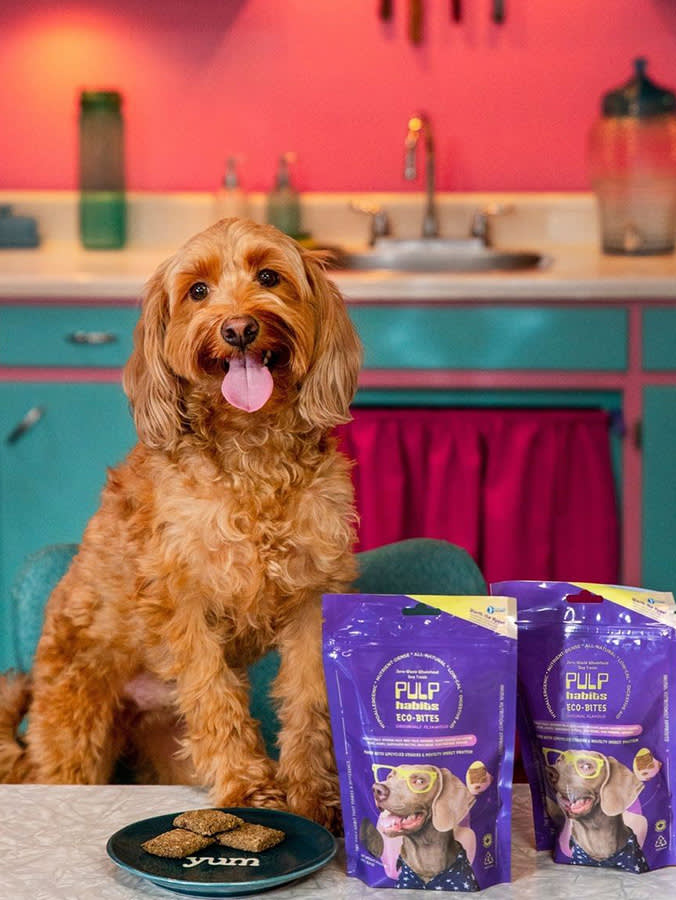 Product PicksThese Dog Treats Are Made From Juice Scraps and Bugs. Your Dog Will Beg for Them Anyway.Leila Torres · 5 min
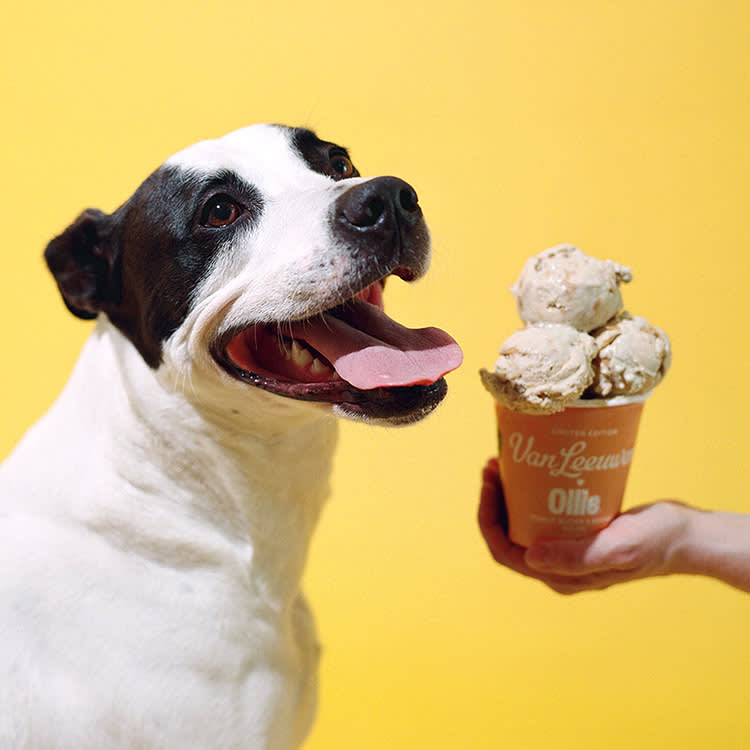 FoodYour Dog Can't Have Your Ice Cream. Here Are 5 They Can, and How to Pick One.Sara Lim · 5 min
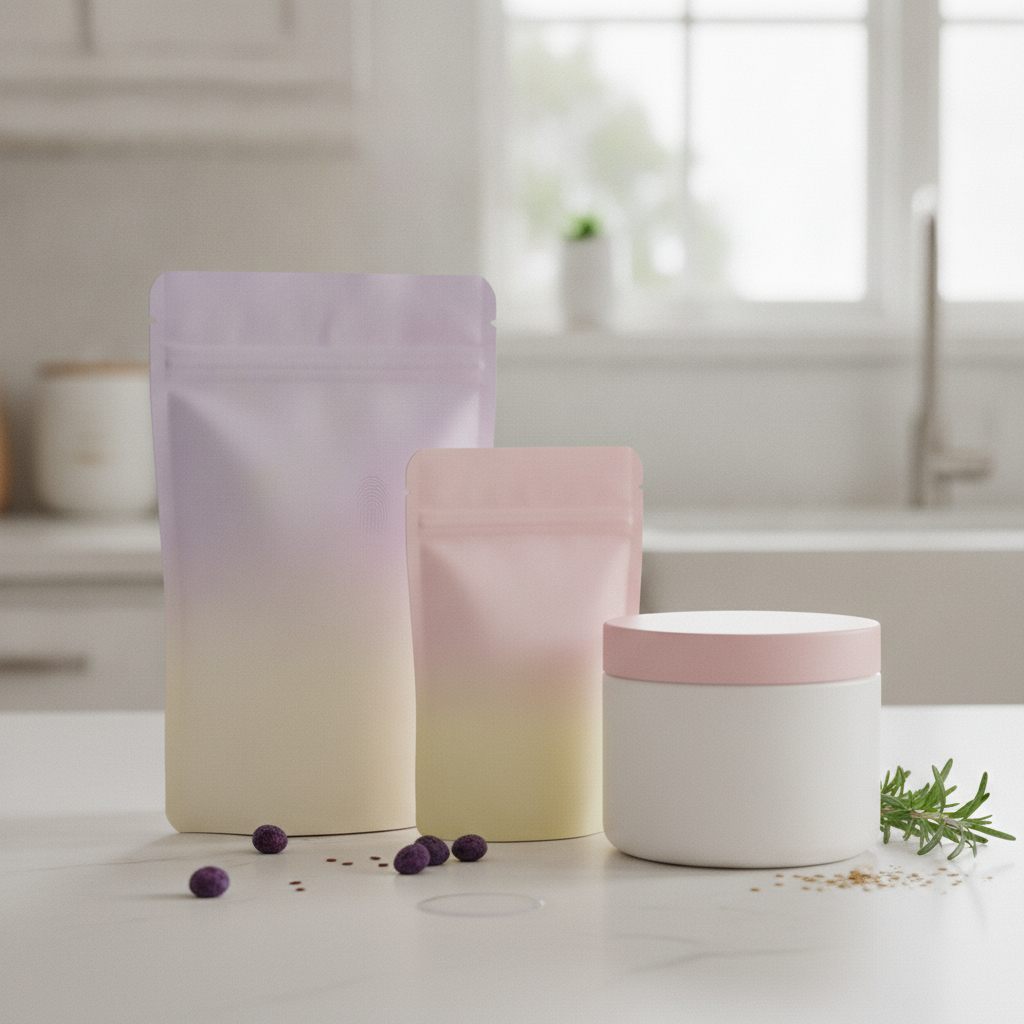 Product PicksBundle x Joy Bet Pretty Packaging Would Make You Use Your Dog's Supplements. It WorkedLeila Torres · 5 min
 Product Picks7 Holiday Dog Treats That Actually Earn a Spot in the StockingSara Lim · 6 min
 FoodThe Dog Food Brand Betting That Your Pup Doesn't Actually Need MeatDr. Priya Nair · 7 min
 Product PicksThis Pet Brand Recycled 500,000 Water Bottles Into Dog Beds, and Made Them CuteNina Vasquez · 6 min