


95% of Them Adopted the Cat They 'Just' Fostered
A study paired lonely adults over 60 with a shelter cat to foster, no strings attached. Nearly everyone kept the cat, and their loneliness scores dropped. The reason it worked isn't what you'd guess.
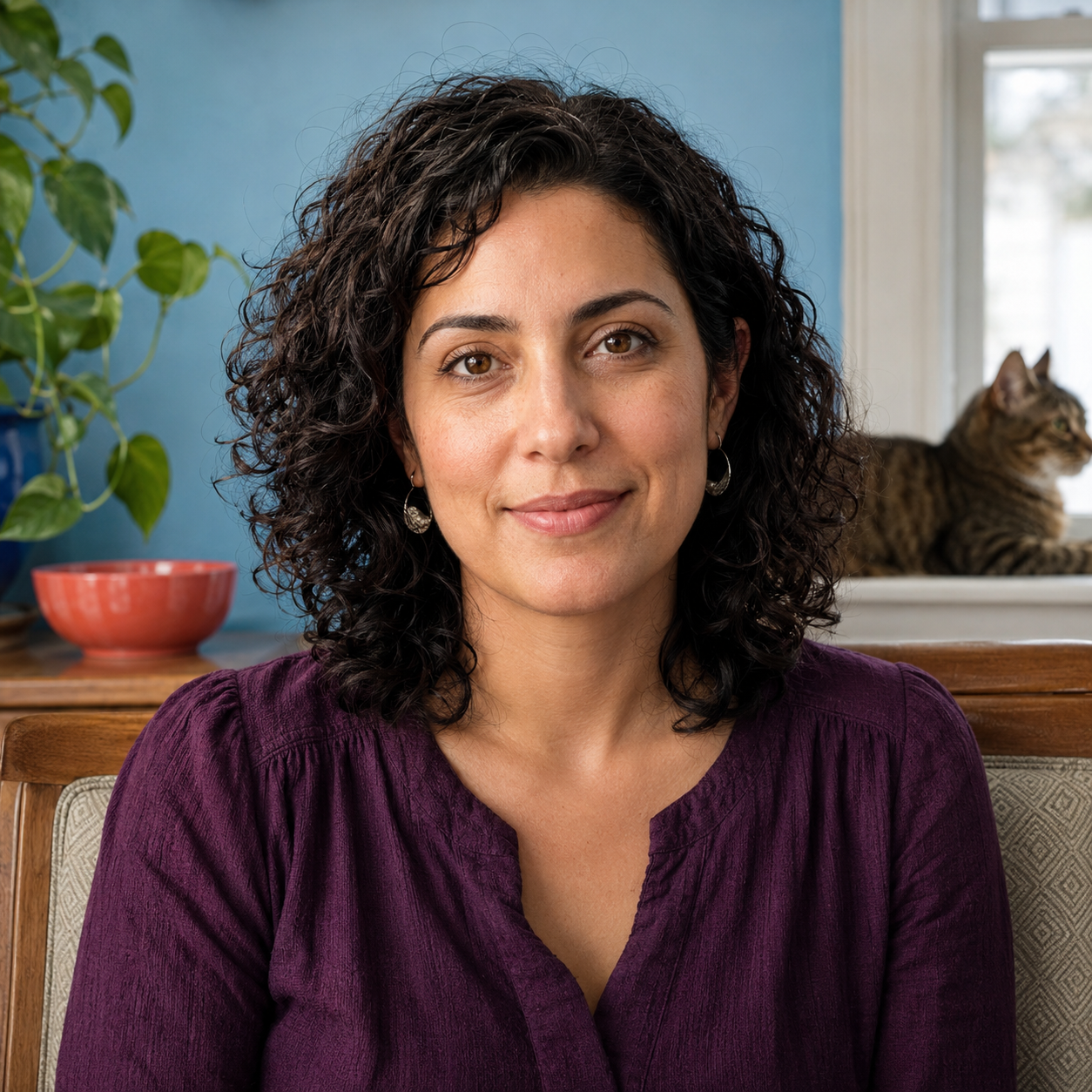
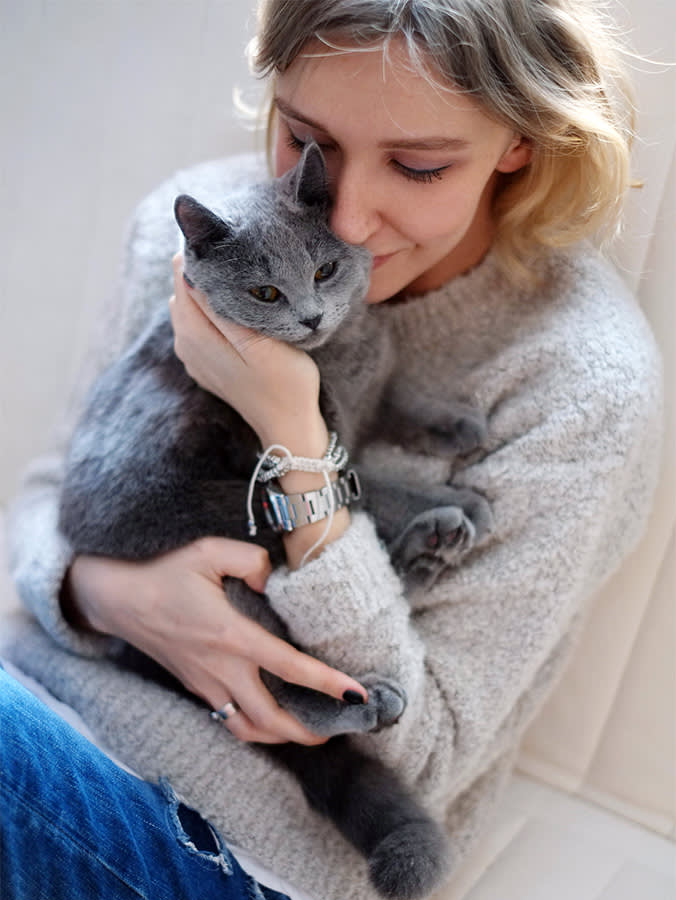
There is a particular kind of loneliness that comes with living alone later in life, and it does not always announce itself. It looks like a quiet apartment, a television left on for company, meals eaten standing up. It is one of the most stubborn public health problems we have, and it does not respond well to being told to “get out more.”
So a group of researchers tried something smaller and stranger: they handed lonely older adults a cat and told them they did not have to keep it.
The setup, and the number that jumps out
Researchers at the University of Georgia and Brenau University, with funding from the Human Animal Bond Research Institute, recruited 29 adults over the age of 60 who lived alone without in-home help. Each was paired with a healthy, fully vetted shelter cat and asked to foster, not adopt, for at least four months. Adoption was allowed but never required. The whole point was to remove the pressure.
Before the trial, participants filled out surveys measuring loneliness, mental health, physical health, and self-efficacy. Researchers checked back at one month and at four.
Six people did not make it to the four-month mark. But of the 23 who did, 95 percent adopted the cat they had been told they could hand back. Loneliness scores dropped significantly. Mental health measures improved. There were even upticks in self-reported physical health. The study was published in The Journals of Gerontology, Series B.
The overlooked part isn’t the cat. It’s the exit door.
It is easy to read this as one more “pets are good for you” story and move on. That misses the actual finding.
Plenty of these adults could have simply adopted a cat any time they wanted. They had not. Something was holding them back, and for many older adults living alone, that something is a specific, rational fear: what happens to this animal if I cannot care for it, if I get sick, if the vet bills come, if I am gone. A lifelong commitment to a pet can feel less like comfort and more like one more thing that could go wrong.
Fostering removed that fear. The cats arrived already vetted, and the arrangement came with a built-in exit. “You can always give it back” is what let people say yes in the first place. And once the cat was in the home, on the bed, waiting at the door, almost nobody wanted the exit anymore.
The commitment is the barrier, not the cat. When you tell someone this is forever, you are asking them to bet against their own future health, and a lot of older adults are too honest with themselves to take that bet. Fostering flips it. You get to fall in love first and decide second, and it turns out the deciding part mostly takes care of itself.
That reframing matters well beyond this one study. If the barrier to the loneliness benefit is fear of commitment rather than lack of interest, then the fix is not convincing people that pets are good for them. They already know. The fix is designing a lower doorstep to walk through.
What newer research adds
The published results came out of a feasibility study, which is research-speak for a small first pass meant to show whether a bigger project is worth running. That framing is important. Twenty-nine people is not enough to prove that fostering cures loneliness for everyone, and the researchers were careful not to claim it did. What the study established is that the approach is workable, that older adults will take part, and that the early signal is strong enough to justify larger trials.
It also fits a broader shift in how the human-animal bond is being studied. Researchers have moved away from vague “pets make us happy” claims toward testing specific, measurable interventions: this population, this program design, these outcomes. A foster program with the cost barrier deliberately stripped out is exactly that kind of targeted design, and it is the reason the result is more useful than a feel-good anecdote.
If you’re the one feeling the quiet
If any of this lands a little too close to home, a few honest notes.
You do not have to adopt to try this. Many shelters run foster programs specifically because they are always short on foster homes, and a number of them cover food and medical costs during the foster period. That is a real way to have a cat in the house without signing up for anything permanent.
Start with an adult cat, not a kitten. The study used vetted shelter cats for a reason. A calm adult cat is a known quantity, easier to live with, and far more likely to slot into a quiet home than a kitten who needs constant supervision.
And if the loneliness you are feeling is heavy rather than passing, a cat is a genuine comfort but not a substitute for people or care. This is a sensitive area, and if it feels like more than you can carry alone, it is worth talking to a doctor or someone you trust. Reaching out is not weakness, and support is available if you want it.
The cats in this study came with a promise that no one had to keep them. Almost everyone did anyway. That is not really a story about cats. It is a story about how much easier it is to let something in when you are told, up front, that you are allowed to let it go.
References
- “Shelter Cat Fostering Reduces Loneliness in Older Adults Living Alone.” Human Animal Bond Research Institute, 2023. habri.org
- Sanderson, S. L., et al. Feline fostering study, published in The Journals of Gerontology, Series B, 2023. academic.oup.com
- “New study finds reduced loneliness in older adults living with fostered cats.” dvm360. dvm360.com
Common questions
Does fostering a cat actually reduce loneliness?
In a study of adults over 60 living alone, loneliness scores dropped significantly after four months of fostering a shelter cat, and measures of mental health improved. It was a small feasibility study, so it points a direction rather than proving a cure, but the effect was consistent among those who finished.
Isn't fostering just adopting with extra steps?
For most people in the study, it became exactly that. Over 95 percent of those who completed the four months chose to adopt. The value of the foster framing is that it lowers the barrier to starting, especially the fear of a lifelong commitment or vet bills, which is what kept some people from adopting in the first place.
What if I'm worried about the cost of a cat?
That worry is common and reasonable, and it is exactly what the study was built around. The foster cats came fully vetted, and removing that cost barrier is part of why people said yes. Many shelter foster programs cover food and medical care during the foster period.
Nina Vasquez writes about life at home with pets and the relationships at the heart of it. Her work covers day-to-day living, people-and-pet stories, and the products that fit into a real household, with a warm, grounded take on everyday pet ownership.
Meet our experts ↗Keep reading
 LivingHe Fostered Six Kittens. Two Died in His Hands. He Kept Fostering.Dr. Amara Solis · 8 min
 LivingA Grumpy 14-Year-Old Cat Nobody Would Have Adopted Started a MovementLeila Torres · 6 min
 Living95% of Them Kept the Cat: What a Loneliness Study Proved About FosteringNina Vasquez · 5 min
 LivingThat Backyard Cat Probably Isn't Feral. The Difference Decides What You Can DoDr. Nina Kohl · 7 min
 LivingCarrie Bradshaw's Kitten Was a Foster. Then Sarah Jessica Parker Kept Him.Jordan Ellis · 5 min
 LivingHe's Rehomed 40 Kittens. Behind the Cute Videos Is a SystemJames Okafor · 7 min