


Before You Switch Your Dog's Food for Anal Gland Trouble, Fix the Stool First
Owners reach for a new diet the moment a dog starts scooting. A vet explains why the real lever is stool firmness, not the food bag, and exactly how to use fiber, with doses, to fix it without making things worse.

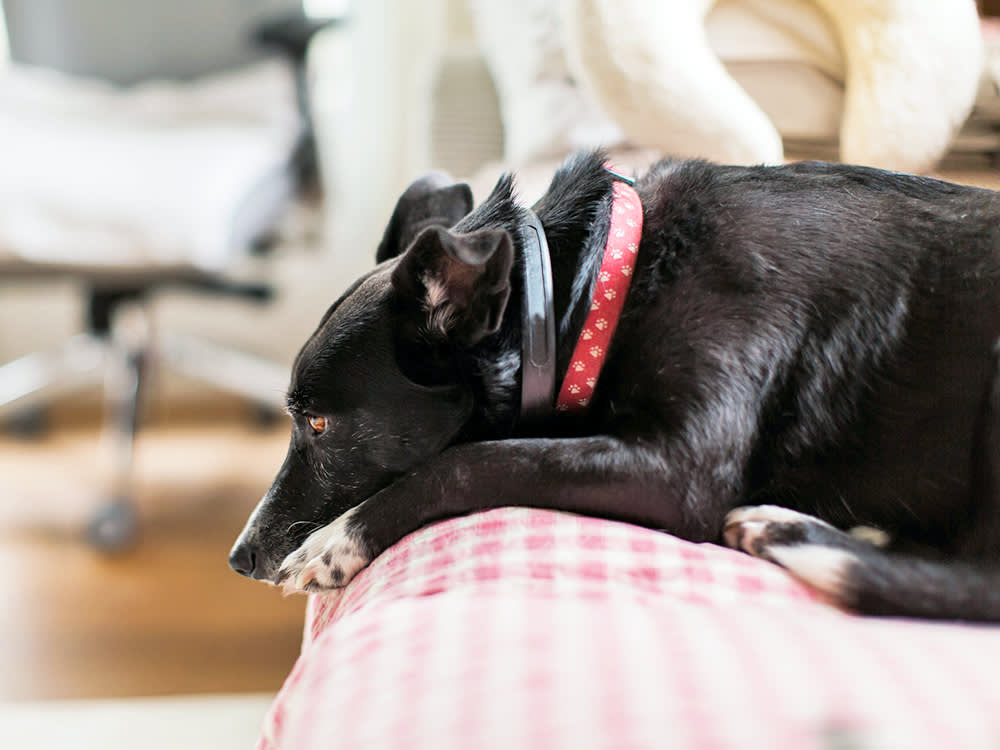
When a dog starts scooting across the rug and the familiar fishy smell returns, the first instinct is almost always the same: change the food. It feels logical, food allergies cause so many other problems, so surely diet is behind this too. But that instinct skips the step that actually fixes most cases. Anal glands empty when a firm, bulky stool presses on them during a bowel movement. So the question that matters is not “what food should I switch to,” it’s “is my dog’s stool doing its job?” Get the stool right and the glands often take care of themselves. Reach for a new diet first and you may spend months and a lot of money treating the wrong variable. This piece walks the decision in that order, because the order is where owners go wrong.
A short reassurance before the detail: many dogs sail through life without a single gland problem, while others can’t seem to keep their sacs empty, and the root cause genuinely isn’t fully understood. Diet is one real lever among several, and used correctly it helps. The trick is knowing what it can and can’t do.
First, the anatomy that explains everything
A little anatomy makes the whole topic click. Dogs store a pungent, scent-marking fluid in two anal sacs that open just inside the anus, at roughly the 4 o’clock and 8 o’clock positions. The sacs are lined with glandular cells that produce the fluid, which normally serves as a scent marker. When a dog passes a formed stool, the pressure squeezes a little of it out. Problems start when the fluid doesn’t come out normally, either because there’s too much of it, because the stool isn’t firm enough to apply pressure, or because the sacs are inflamed or infected.
That single mechanism, pressure from stool, is why stool quality sits upstream of almost everything else. It’s also why a food change that loosens the stool can make gland trouble worse, not better, a trap we’ll come back to.
How to read the signs (and which one is an emergency)
Knowing the signs lets you catch trouble before it escalates. Full or troubled anal glands tend to show up as:
- Scooting: the unmistakable drag across the floor, usually the nicest rug in the house, with the tail lifted and the front legs pulling the body forward to press on the glands.
- Excessive licking: dogs twist around or fold into a grooming posture to lick at the area and relieve pressure. (Doggie kisses are off the menu for a while.)
- A lingering bad odor: fishy, metallic, rotten, dumpster-like, descriptions vary, but the oily fluid smells awful and is hard to clean up.
- Constipation or diarrhea: straining or watery stool can accompany full glands, partly because without regular formed stool the glands don’t get emptied.
- Discharge: overfull glands can leak, especially when a dog is frightened.
Two of these are not “monitor at home” signs. Visible swelling and redness around the anus, or any bloody discharge, can mean impaction, infection, or a ruptured abscess, and they warrant a prompt vet visit. The rule of thumb: do not mess around back there if your dog’s rear is swollen, red, painful, warm, or discharging. That’s a same-day call, not a fiber experiment.
Why some dogs are simply built for this
There’s no single unifying cause, but several factors raise the odds, and a couple are worth knowing before you blame the food:
- Stool consistency. Formed stool large enough to trigger emptying is protective. Chronically soft stool or small fecal balls is the most common, most fixable culprit.
- Obesity. Excess fat around the anus can compress the ducts the fluid exits through, leading to retention and inflammation. A fluffy butt is a genuine risk factor.
- Allergies. There’s debate, but many vets see higher rates in allergic dogs, from both food and environmental triggers, often via the inflammation they cause.
- Breed and conformation. Genetics matter more than most owners realize. Cavalier King Charles Spaniels are the poster children, with almost one in five affected. Small breeds are most at risk overall, though some large breeds like Labrador Retrievers and German Shepherds run higher than average. Strikingly, brachycephalic (flat-faced) dogs are about 2.6 times more likely to have anal gland issues than long-faced dogs.
- Diarrhea. Loose stool raises the risk of impaction and infection because it doesn’t stimulate emptying, and the surrounding inflammation can let bacteria invade the ducts.
- Cancer. Less common but important: a vet may feel an irregularity or mass when expressing the glands. Apocrine gland anal sac adenocarcinoma is a notable tumor of the anal sacs with a high risk of spreading if caught late, which is one more reason recurrent problems deserve a hands-on exam rather than endless home management.
The decision: fix the stool before you change the bag
Here’s the framework I actually use with clients, in order.
Step one: is the stool the problem? If your dog’s stools are soft, small, or inconsistent, that’s almost certainly your lever, and you can often address it without swapping the entire diet. If the stools are already firm and well-formed and the glands still won’t behave, diet is less likely to be the answer and it’s time for a vet workup (allergy, conformation, or something structural).
Step two: use fiber deliberately, not randomly. This is where most owners overshoot. Fiber comes in two functional types and they do different jobs:
- Insoluble fiber adds bulk and is the right tool for the classic case, dry, small stools that need more volume to press on the glands.
- Soluble fiber (psyllium is the workhorse) absorbs water and normalizes stool that’s too loose, which is exactly the scenario where adding the wrong fiber backfires.
Psyllium is the most useful single supplement here because it’s predictable, adds almost no calories, and works in both directions. A reasonable starting dose is roughly 0.5 gram per kilogram of body weight per day, begun at the low end and increased gradually over five to seven days while you watch the stool. In one veterinary study, dogs on psyllium settled to firmer, more regular stools at a median of about two tablespoons per day, with a wide individual range, the point being that the right dose is the one that produces a firm stool for your dog, found slowly. Always mix it into food with plenty of water.
Step three: change the food only if there’s a food reason to. Two situations justify an actual diet change:
- A suspected food allergy. If allergy is contributing, a hypoallergenic diet, either a novel protein and carbohydrate the immune system hasn’t met, or a hydrolyzed diet whose proteins are broken into fragments too small to trigger a reaction, is appropriate. This is a vet-guided trial, not a guess at the pet store.
- A higher-fiber complete diet for a dog who needs sustained bulk and does better with it built into the food than sprinkled on top.
A note on pumpkin, the internet’s default fix: canned pumpkin adds moisture and many dogs tolerate it, but it isn’t especially high in fiber and can be calorie-dense, so it’s not the universal answer it’s made out to be. It’s fine as a gentle nudge, not a treatment plan.
The mistake to avoid, and when to stop DIYing
The single most common error I see is too much fiber, too fast, which swings a dog into diarrhea or constipation, the very stool problems that caused the gland trouble in the first place. Add fiber gradually, give it five to seven days to show its effect, and don’t stack three remedies at once.
And know the ceiling on home care. If the glands keep filling despite firm stool and sensible fiber, if your dog is in pain, or if you see swelling, redness, or blood, that’s a vet visit. Recurrent cases sometimes need professional expression on a schedule, treatment of an underlying allergy, or, rarely and as a last resort, surgical removal of the sacs. Your vet can also confirm there’s nothing more serious going on back there. Fixing the stool first solves a lot of these dogs. Knowing when fixing the stool isn’t enough is what keeps the rest of them safe.
Always talk to your veterinarian before changing your dog’s diet or adding a supplement, especially for a dog with a diagnosed condition. Doses here are general starting points, not a prescription for your individual dog.
References
- O’Neill, Dan G., et al. “Non-neoplastic Anal Sac Disorders in UK Dogs: Epidemiology and Management Aspects of a Research-Neglected Syndrome.” The Veterinary Record, vol. 189, no. 2, 2021, e203, bvajournals.onlinelibrary.wiley.com.
- Corbee, Ronald Jan, et al. “A Cross-Sectional Study on Canine and Feline Anal Sac Disease.” Animals, vol. 12, no. 1, 2021, mdpi.com.
- Lanore, Delphine. “Featuring Fiber: Understanding Types of Fiber and Clinical Uses.” Today’s Veterinary Practice, todaysveterinarypractice.com.
- Chen, Carolyn L., et al. “Minimal Complications Observed With a Modified Surgical Approach for Treatment of Canine Anal Sac Neoplasia.” Journal of the American Veterinary Medical Association, vol. 260, S1, 2021, pp. S59–S64, avmajournals.avma.org.
Not a substitute for your vet. Our guidance is educational. For urgent symptoms, contact a vet or emergency clinic right away. Editorial standards
Dr. Mehta is a board-certified veterinary nutritionist who evaluates pet food formulations, ingredient quality, and the science behind dietary trends. He writes and reviews all nutrition content at The Pet Times, including our food rankings and feeding guides.
Meet our experts ↗Keep reading
 Health & WellnessThe Joint Supplement in Every Pet Aisle May Do Nothing. The Science Is Brutal.Dr. Ravi Mehta · 6 min
 Health & WellnessA Puppy That Won't Eat Isn't Being Picky. It's a CountdownDr. Mara Chen · 7 min
 FoodCranberry Pills Won't Cure Your Dog's UTI. Here's What They Might DoDr. Priya Nair · 6 min
 Health & WellnessYour Dog Has Diarrhea. Step Away From the Medicine Cabinet.Dr. Lena Park · 5 min
 Food'Sensitive Stomach' Isn't a Diagnosis. That's Why Switching Food First Usually Fails.Dr. Priya Nair · 8 min
 Health & WellnessThe Grain-Free Heart Disease Scare, and What the Headlines Got WrongDr. Amara Solis · 9 min