


Your 'Dog Type' Is a Mirror, Not a Preference
The dog you keep choosing says more about you than about any breed. Here's what the research actually found, including why you and your dog get more alike every year.

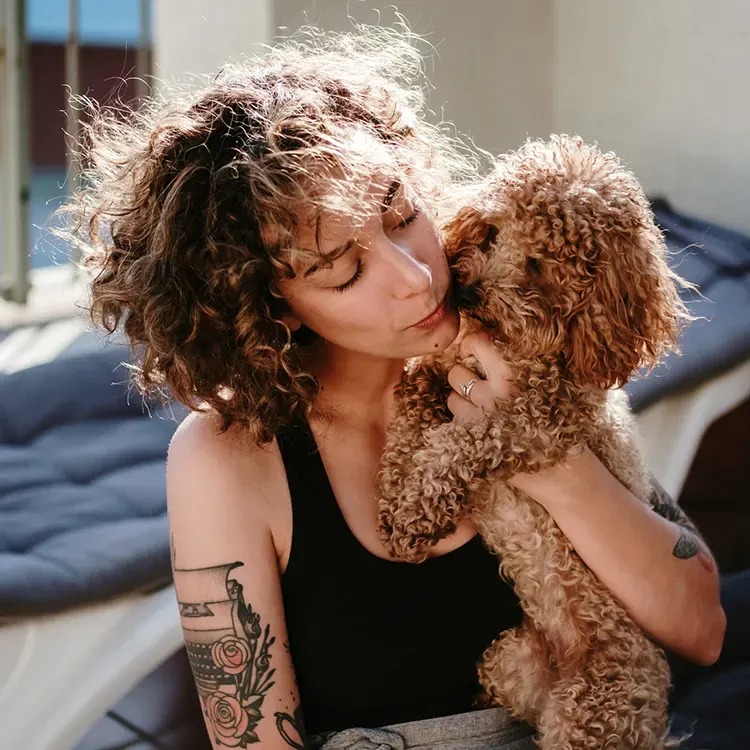
Ask someone what kind of dog they like and you will get an answer about the dog. Big ones. Scruffy ones. The kind that leans on you. What you are actually hearing is a self-portrait, and the person delivering it usually has no idea.
That is the uncomfortable, delightful thing the research keeps landing on. The “type” you are drawn to is less a fact about dogs than a fact about you, and the longer you live with the dog you chose, the more the two of you converge. Breed, the thing everyone leads with, turns out to be nearly beside the point.
Start with the part that sounds like a party trick
People can match strangers to their dogs from photos. Not by vibe, not by outfit: by face. In a 2004 study in Psychological Science, participants correctly paired purebred dogs with their owners at rates well above chance. The effect held even when researchers narrowed the images down to the eye region alone, which rules out most of the obvious cheats.
The likeliest explanation is not vanity, exactly. It is the mere-exposure effect: we like what we have seen a lot of, and the face you have seen most in your life is the one in the mirror. Familiarity is quietly doing the picking.
There is a second, less flattering ingredient. Many of us gravitate toward the kind of dog we grew up around. The dog in your childhood kitchen set a template you did not consent to, and you have been shopping against it ever since.
The breed thing is mostly a story we tell
Here is where most “what your dog says about you” pieces go wrong. They assume the breed carries the personality, so choosing a breed is choosing a temperament.
The largest study of its kind says otherwise. Researchers surveyed more than 18,000 dog owners and sequenced DNA from over 2,000 dogs, and found that breed explains only about 9 percent of the variation in an individual dog’s behavior. Breed shifts the odds on a few specific tendencies, like how much a dog howls or retrieves. It does not tell you who is going to sleep on your chest.
Which means the connection you feel with a particular dog is closer to the connection you feel with a particular person. You are responding to an individual, not to a category, even while you are using the category’s name to describe it.
People come in convinced they need a certain breed, and what they actually need is a certain temperament, which is a completely different shopping list. I have watched a family fall for a dog who was the opposite of everything on their list, and they were right to. The dog in front of you outranks the label.
What people actually mean when they say “my type”
Pet parents rarely describe a breed when you push them. They describe a job the dog does for them. A few patterns come up again and again:
The velcro dog. Someone who wants to be chosen, and chosen exclusively. Often people who have been through something and want a body in the hallway at night. The size of the dog is negotiable; the loyalty is not.
The misfit. The dog nobody else wanted, the odd one, the one who is hard to place. Chihuahuas and other small dogs are among the least-adopted and hardest-to-home dogs in many shelters, which is exactly the appeal for a certain kind of person. Identifying with the underdog is the whole point.
The companion-sized dog. Not a lap ornament, not a horse. Medium. Portable enough to bring along, sturdy enough to hike. This is a lifestyle answer disguised as a size preference.
The expressive face. Bulldogs, Beagles, anything with enough face to broadcast an opinion. People who choose these dogs want to be read by their dog and to read the dog back. They are shopping for a conversation.
The one you get to parent. Small, cuddly, carryable. People without kids, or with kids who have left, name this one honestly more often than you would expect.
None of those are breeds. They are needs.
The twist: you don’t just pick alike, you grow alike
This is the part the older research missed, and it is the most interesting thing to happen in this field in years.
A systematic review published in early 2025 in Personality and Individual Differences pulled together 15 studies on dog-human similarity. It found the expected physical resemblance, and matched features you would not think to look for, like body weight and hair or ear length, with the strongest effects between women and their dogs. But it also found something the “we look alike” studies could not: personality similarity, especially in extraversion and neuroticism, that appears to increase the longer the pair lives together.
So the anxious person and the anxious dog are not just a lucky casting call. Some of that is selection, and some of it is emotional convergence, two nervous systems slowly negotiating a shared baseline. Your dog is picking up your weather.
That cuts both ways, and it is worth sitting with. If your dog has gotten more reactive on leash over three years, the honest question is not only what changed for the dog.
What’s new since this was written
The 2025 review is the biggest update, and it reframes the whole question. Older work treated dog-owner similarity as a one-time choice made at the shelter. The current evidence treats it as a relationship that keeps moving, with the two personalities drifting toward each other over the years.
The practical takeaway is small but real. If you are choosing a dog, spend less energy on breed research and more on meeting the actual animal, more than once, in more than one setting. And if you already have your dog, know that you are not just their owner, you are one of the biggest inputs into who they are becoming.
“The dog is running a long-term experiment on you and you are running one on them,” Dr. Kohl says. “Most people only notice the results at year five, when they realize they have both gotten quieter.”
References
- Roy, M. M., & Christenfeld, N. J. S. “Do Dogs Resemble Their Owners?” Psychological Science, vol. 15, no. 5, 2004, pp. 361–363. https://doi.org/10.1111/j.0956-7976.2004.00684.x
- Morrill, K., et al. “Ancestry-inclusive dog genomics challenges popular breed stereotypes.” Science, vol. 376, no. 6592, 2022. https://doi.org/10.1126/science.abk0639
- Nagasawa, M., et al. “Oxytocin-gaze positive loop and the coevolution of human-dog bonds.” Science, vol. 348, no. 6232, 2015, pp. 333–336. https://doi.org/10.1126/science.1261022
- Bräuer, J., et al. “Like owner, like dog — A systematic review about similarities in dog-human dyads.” Personality and Individual Differences, 2025. https://doi.org/10.1016/j.paid.2024.112938
Dr. Kohl is a board-certified veterinary dentist with a particular interest in preventive oral care. She reviews all dental health content at The Pet Times and contributes practical guides on home dental routines, professional cleaning, and oral disease prevention.
Meet our experts ↗Keep reading
 TrainingYour Dog Is Fluent in Play. You're the One Who Can't Read the RoomDr. Nina Kohl · 5 min
 TrainingAn AI Sorted Dogs Into 5 Personality Types. Here's What It's Really ForNina Vasquez · 7 min
 LivingYou're Not Soft for Loving Your Dog This Much. You're Wired for It.Dr. Mara Chen · 6 min
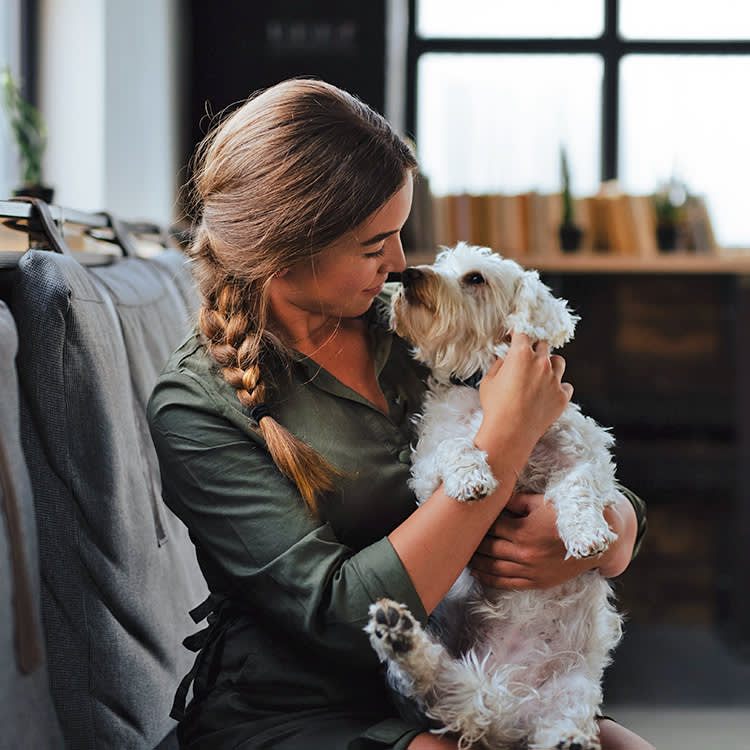 TrainingYour Dog Has a Favorite Person. Here's How to Make Sure It's You.Dr. Mara Chen · 8 min
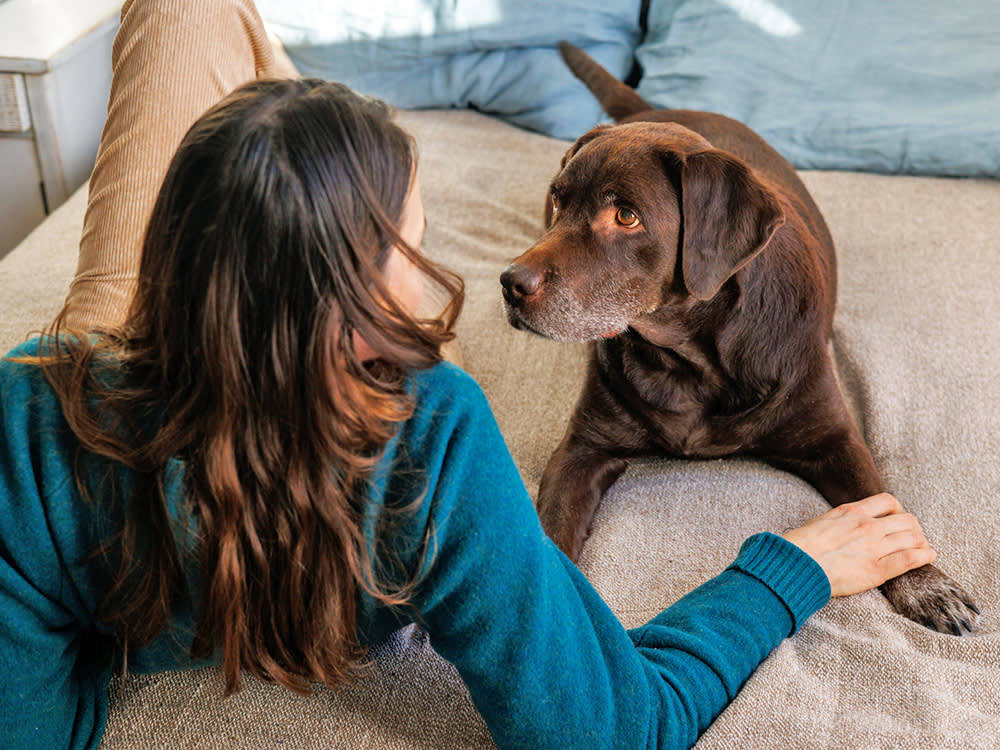 TrainingYour Dog Isn't Ignoring You. You're Talking Too Fast.Tom Hadley · 5 min
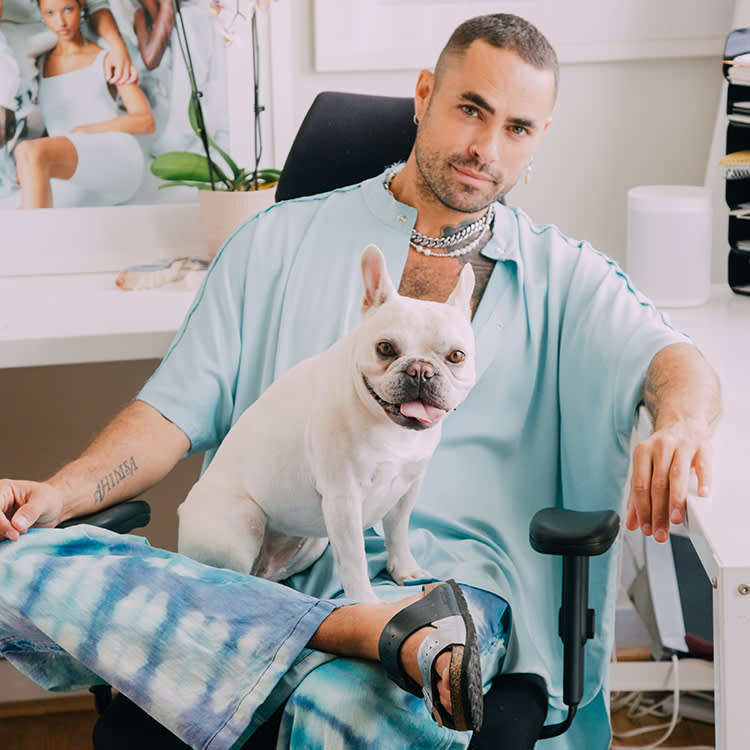 LivingHis Dog Walks Into the Office at 5 P.M. and Ends the WorkdayJames Okafor · 6 min