


'Dog Breath' Isn't Normal. It's the First Symptom of a Disease You Can Prevent
We shrug off bad breath as part of owning a dog. It isn't. It's usually the smell of periodontal disease, the most common illness in dogs, and the reason daily brushing works when weekly barely does comes down to a two-week clock. A vet-informed guide.


For a long time, dog owners treated bad breath as the cost of admission. Dogs eat questionable things, so of course their breath is rough, right? That assumption is wrong, and it’s costing dogs their teeth and, sometimes, their health. Bad breath is not “dog breath.” It is usually the smell of disease, most often periodontal disease, which is the single most common medical problem in dogs. The stench you’ve been ignoring is the earliest, most detectable warning sign of a condition that quietly destroys the mouth and can reach into the rest of the body.
Once you accept that reframe, the practical question, how often should I brush, has a sharper answer than you’d expect, and it comes down to a clock. Plaque doesn’t wait, and there’s a hard deadline built into your dog’s mouth. Understanding that deadline is what turns “I should probably brush sometime” into a routine that actually protects your dog.
Owners apologize to me for their dog’s breath like it’s a grooming issue, and I have to reframe it. That smell is bacteria and inflammation. It’s the mouth telling us something is already wrong. The good news is that the same thing that causes it, plaque, is the thing a toothbrush removes for free at home. We just have to beat it on its own schedule.
Why this matters more than fresh breath
Untreated dental problems compound. A dog with an abscess or an infected tooth is in pain, and pain shows up as grumpiness, sensitivity, a lost appetite, or chewing on only one side. Left alone, small problems become persistent ones and, in some cases, whole-body ones: research has linked neglected dental disease to serious illness elsewhere in the body, including the kidneys and the heart. The mouth is not a sealed compartment. Bacteria and inflammation there don’t necessarily stay there.
The enemy: periodontal disease, and how it hides
Periodontal disease is inflammation and infection of the gums and the bone that anchors the teeth. It’s so common in dogs partly because it’s sneaky, hard to notice until it’s well advanced.
It always starts with plaque. Plaque that accumulates on the teeth inflames and infects the gums, which is gingivitis, the early, reversible stage. Left untreated, plaque creeps below the gumline, attacking the gums, connective tissue, and jawbone. In severe cases a dog can lose teeth, develop an oronasal fistula (an abnormal hole between the mouth and nasal cavity), or face those longer-term systemic effects. Some breeds are more prone than others: if you have a small breed like a Dachshund or Yorkshire Terrier, watch especially closely, because crowded small mouths trap plaque efficiently.
Signs something is wrong
Periodontal disease is the most common problem, but dogs get the same range of complex oral diseases people do. Have your dog checked by a vet, or a veterinary dental specialist, if you notice:
- Bad breath
- Broken or loose teeth
- Discolored teeth
- Red or bleeding gums
- Behavior changes, like a lost appetite or chewing on one side
- Excessive drooling
- Bumps along the jawline
Your regular vet handles routine exams and cleanings. For more involved problems like root canal therapy, they may send you to a veterinary dental specialist, a vet who has finished a residency and passed a board exam in the field.
The schedule that actually keeps ahead of plaque
Prevention is the entire game, and it’s built on a few layered habits. Talk to your vet about tailoring this to your dog, your schedule, and your budget, but here’s the framework:
- Daily to several times weekly: brushing. Most experts agree daily brushing is the best defense against periodontal disease. If daily isn’t realistic, aim for several times a week at minimum. This is the load-bearing habit, and here’s why the frequency is non-negotiable: plaque left on the teeth mineralizes into hardened tartar in roughly two weeks, and once it does, no toothbrush can touch it. Brushing is what stops soft plaque from ever becoming hard tartar, which is exactly why skipping days quietly surrenders ground.
- Regularly: look in the mouth. Check for changes to the teeth, gums, or jaw. A great built-in opportunity: when your dog yawns, take the moment to actually look inside.
- Annually: a professional review. Your vet should assess dental health at each yearly exam. Ask questions and request a specialist referral if you have concerns.
- As recommended: professional cleanings. Many dogs periodically need a cleaning under anesthesia, which allows a deep clean below the gumline and often dental X-rays. How frequently they’re needed comes down to the individual dog, their age, their breed, and their overall dental health.
If your dog won’t tolerate daily brushing, plenty of dental products can help, but they vary wildly in quality. Some are worse than useless: very hard chews like deer antlers and hard nylon bones can crack teeth. As a rule, a chew hard enough that you wouldn’t want it swung at your own knee is hard enough to fracture a tooth. The reliable way to sort the helpful from the hype is to look for the Veterinary Oral Health Council (VOHC) seal, which is awarded only to products shown to control plaque or tartar.
What newer research adds
The VOHC’s accepted-products list is actively maintained, its dog list was most recently updated in late 2025, so it’s worth checking the current version rather than trusting a package claim. The seal is your best evidence that a chew, water additive, diet, or treat does what it says, because the council reviews the underlying trial data rather than the marketing.
The other development worth knowing in 2026 concerns what to avoid. Veterinary dental authorities, including the specialists behind the VOHC, continue to warn against anesthesia-free dental cleanings. Scaling tartar off an awake dog produces a cleaner-looking tooth while leaving the disease below the gumline, where periodontal disease actually lives, completely unaddressed, and it can’t include the X-rays or subgingival cleaning that make a real difference. A proper cleaning requires anesthesia precisely so the parts you can’t see get treated. Paired with daily home brushing, that combination, not a cosmetic scrape, is what protects your dog’s mouth for life.
References
- American Veterinary Medical Association. “Pet Dental Care.” avma.org.
- Veterinary Oral Health Council. “VOHC Accepted Products for Dogs.” vohc.org/accepted-products.
- American Veterinary Dental College. “Anesthesia-Free Pet Dental Cleanings: Know the Facts.” afd.avdc.org.
- American Animal Hospital Association. “Dental Care Guidelines for Dogs and Cats.” aaha.org.
This article is for general education and does not replace veterinary care. If your dog shows signs of dental pain or disease, see your veterinarian.
Common questions
Is bad breath in dogs ever normal?
No. Persistent bad breath is usually a sign of plaque, gum inflammation, or established periodontal disease, and sometimes points to problems beyond the mouth like kidney or heart involvement. It's a symptom to investigate, not a quirk to tolerate.
Are dental chews and treats a substitute for brushing?
They help, but they don't replace the brush. Look for products carrying the VOHC (Veterinary Oral Health Council) Seal of Acceptance, which means they're proven to reduce plaque or tartar. Avoid very hard chews like deer antlers and hard nylon bones, which can fracture teeth. Brushing plus a VOHC-accepted product beats either alone.
Are anesthesia-free dental cleanings a good idea?
Veterinary dental specialists advise against them. Scraping visible tartar off an awake dog makes the teeth look cleaner without addressing disease below the gumline, where it actually matters, and it can't include the X-rays and deep cleaning that a proper cleaning under anesthesia provides. It's cosmetic, not medical.
Not a substitute for your vet. Our guidance is educational. For urgent symptoms, contact a vet or emergency clinic right away. Editorial standards
Dr. Park is a board-certified emergency and critical care specialist. She reviews our health and safety content for clinical accuracy and contributes guides on recognising urgent conditions. Her focus is helping owners act quickly and correctly when it matters most.
Meet our experts ↗Keep reading
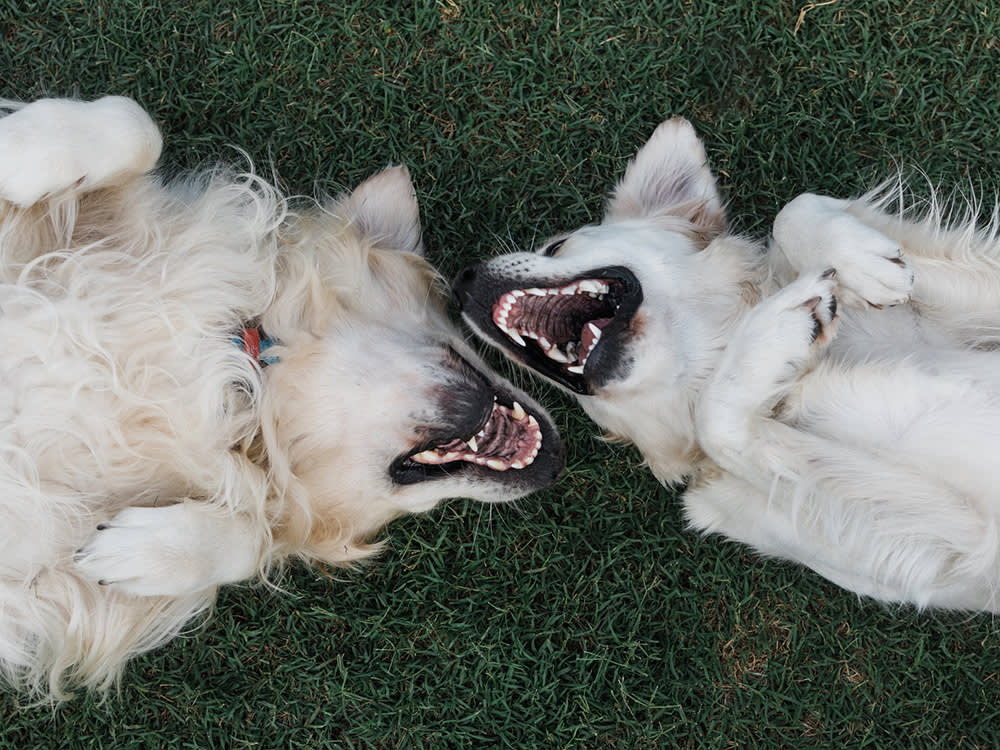 Health & WellnessYour Dog's Bad Breath Is a Medical Report, Not a Personality TraitDr. Priya Nair · 6 min
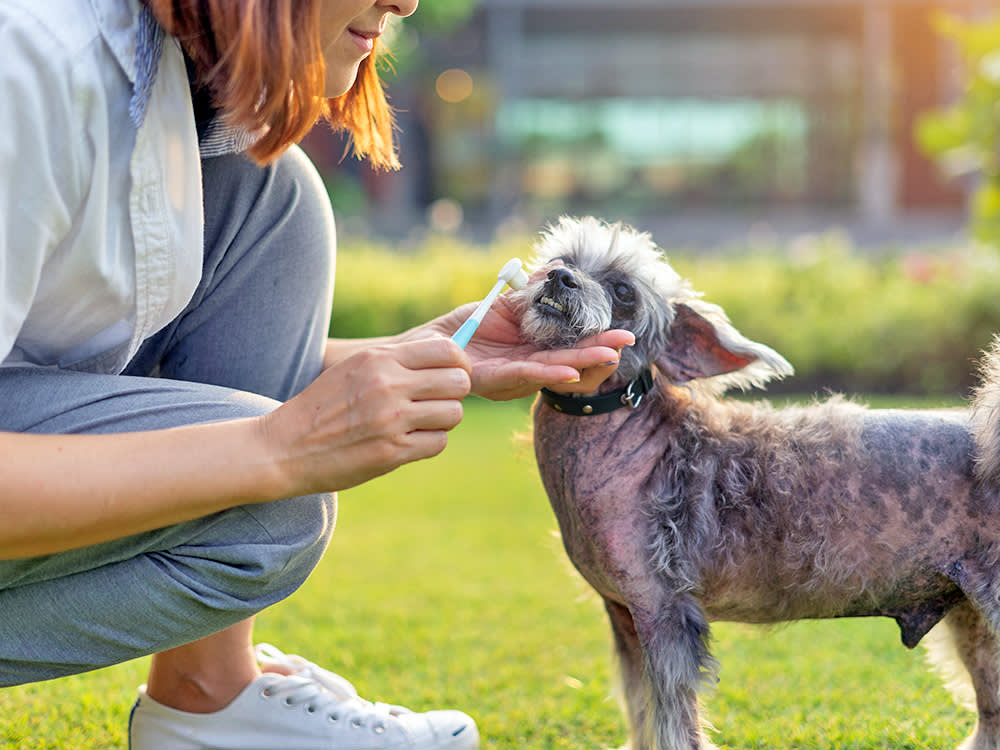 Health & WellnessHomemade Dog Toothpaste Is Solving the Wrong ProblemDr. Lena Park · 8 min
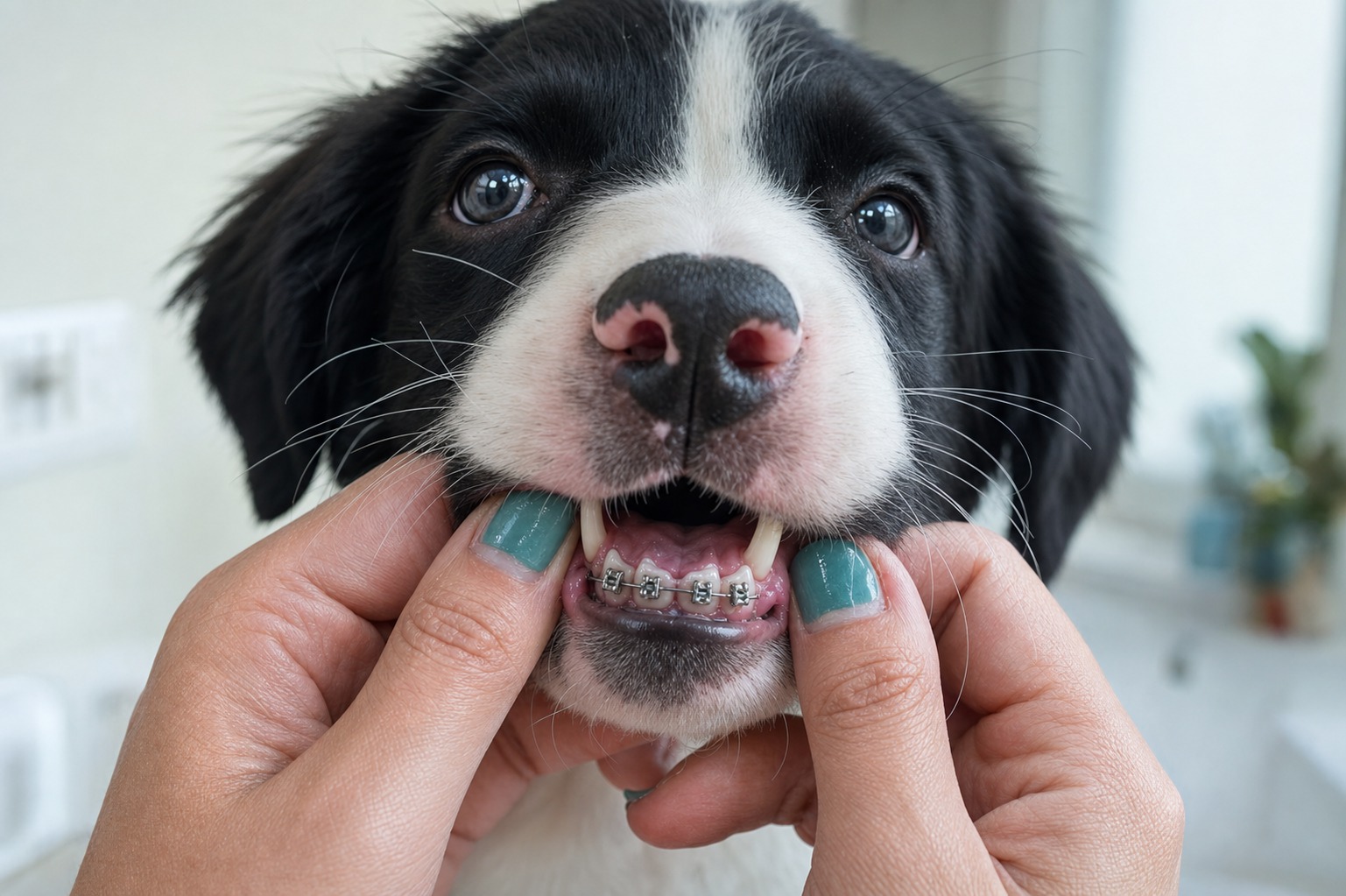 Health & WellnessYour Dog Doesn't Need Straight Teeth. It Needs a Bite That Doesn't HurtDr. Mara Chen · 8 min
 Health & WellnessPuppy Breath Doesn't Go Bad. It Goes on Schedule.Dr. Mara Chen · 6 min
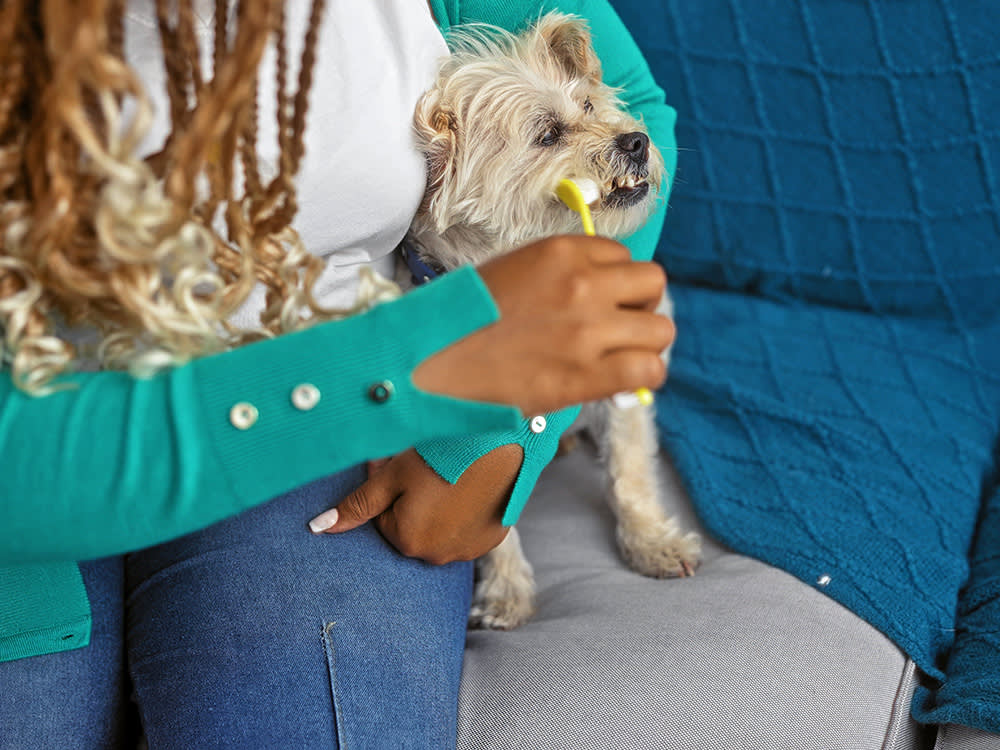 Health & WellnessBad Dog Breath Isn't Cute. It's the First Sign of Disease.Dr. Mara Chen · 6 min
 Health & WellnessBrush the Ones You Want to Keep: The Dog Dental Rule Nobody Says Out LoudDr. Nina Kohl · 6 min