


Your Cat Isn't Sorry. It's Reading the Room.
That head bump after a 3 a.m. scratch looks like an apology. It probably isn't guilt, but it isn't cold indifference either. Here's what your cat is actually doing when it seems to say sorry.

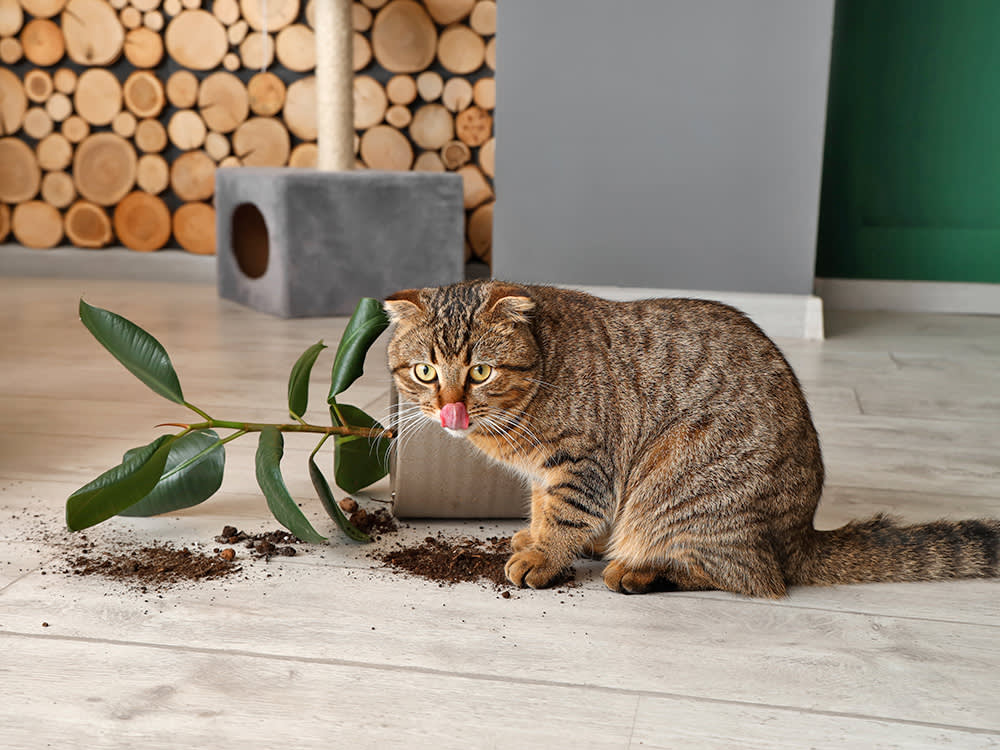
Your cat digs a claw into your leg, then stops, looks at you, and gently bumps their head against your hand. It is almost impossible not to read that as an apology. Plenty of cat owners have a story like it, and plenty of skeptics roll their eyes at all of them.
Both camps are missing the more interesting answer, which sits between “cats feel guilty” and “cats feel nothing.” The truth is that your cat probably is not experiencing remorse the way you do, but the head bump is not meaningless either. Your cat is not apologizing. Your cat is reading you, and adjusting.
The words we argue about aren’t the cat’s problem
Guilt, shame, remorse, regret. People spend a surprising amount of energy debating which of these a cat can feel, as if pinning down the vocabulary would settle it. It won’t, because these are human emotional categories, layered with self-judgment and a sense of having violated a rule the cat never agreed to.
Guilt in the human sense requires understanding that you did something wrong by some shared standard, and feeling bad about the transgression itself. That is a tall order, and there is little evidence cats experience it. But “does my cat feel human guilt?” turns out to be the wrong question. The better one is: what is my cat actually responding to when they seem contrite?
What’s really behind the head bump
The behaviors we read as apology, avoiding eye contact, licking a paw, a soft head bump, a slow blink from across the room, are real. They just are not confessions.
Cats are exquisitely tuned to the emotional weather in a room, and to their person specifically. When a cat senses that the mood between you has shifted, that you’ve tensed up or gone quiet, they’ll often do something to smooth it over. It’s social repair, not an admission of wrongdoing. They’re not saying ‘I was wrong,’ they’re saying ‘something’s off between us, let’s fix it.’
Read that way, the pieces click into place. Your cat does not connect the scratch to a moral failing. They notice that you flinched, that your body changed, that the comfortable harmony between you wobbled, and they move to restore it with the tools their social repertoire gives them: appeasement behaviors and affection. The averted eyes and the gentle bump are about re-establishing trust and comfort, not about regret.
That is not nothing. It means your cat is paying close attention to you and cares about the state of your relationship. It is arguably more flattering than guilt: your cat is not brooding over a broken vase, they are watching your face.
The unrepentant cat is telling you something too
For every story of a seemingly sorry cat, there is one about a cat who looks you dead in the eye and then, with visible intent, pushes the glass off the table. Owners love these stories, and they are just as instructive.
A cat who knocks something over while watching you is usually not being malicious. They may be seeking attention, testing cause and effect, or simply enjoying the reliable little drama that follows, an object falls, and their human reacts every time. What looks like spite is more often a cat who has learned that a particular action produces a particular, satisfying response from you. There is no guilt to feel because, in the cat’s world, no rule was broken. There was just an interesting experiment with a dependable result.
Cats with litter box lapses get read as spiteful too, and that reading can be actively harmful. A cat avoiding the box is far more likely to be dealing with a medical issue, arthritis, a urinary problem, or stress than staging a protest. Assuming spite delays the vet visit the cat may actually need.
Why this matters more than a fun debate
Getting this right changes how you treat your cat. If you believe your cat feels guilt, it is a short step to believing they “know what they did” and could be shamed or punished into better behavior. But a cat who does not experience guilt cannot learn from it, and scolding a cat who is already sensing your displeasure just adds stress to a relationship they were trying to repair.
The more useful stance is to read the behavior for what it is. When your cat offers an appeasement gesture, they are telling you they noticed a rupture and want to close it. Meet that with calm reassurance rather than a lecture. And when your cat does something you would rather they not, look for the cause, boredom, attention-seeking, an unmet need, or a medical problem, instead of assigning a motive they are not capable of having.
Cats are individuals, with temperaments as varied as people’s. Some are soft and socially attentive, some are gloriously indifferent, and most are somewhere in between. What they share is that their apparent apologies are less about their conscience and more about their bond with you. That is the part worth holding onto.
References
Dr. Nair is a veterinarian focused on diet and feeding. She covers everyday nutrition, treats, and the many "can they eat this?" questions owners ask, grounding each answer in what is actually safe and sensible for dogs and cats.
Meet our experts ↗Keep reading
 TrainingYour Cat Is Not Judging You. Your Cat Cannot Judge You.Dr. Mara Chen · 9 min
 TrainingYour Cat's Temperament Isn't Fixed. It's a Daily NegotiationDr. Lena Park · 5 min
 LivingThe Shoulder-Cat Photo Everyone Tried to Copy. Here's Why Yours Won't Work.Sara Lim · 6 min
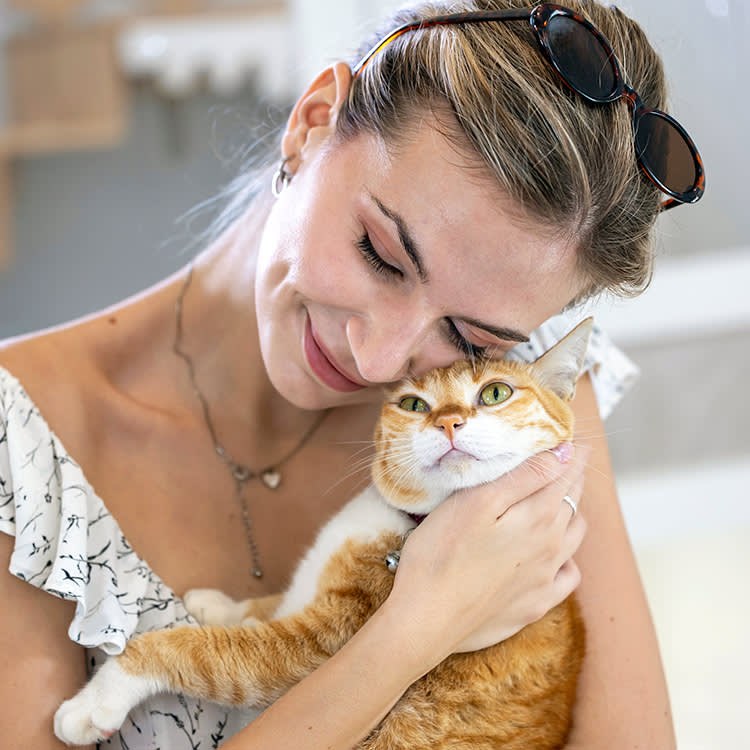 LivingYour Cat Isn't Judging You. It's Running a Threat Assessment.Dr. Nina Kohl · 7 min
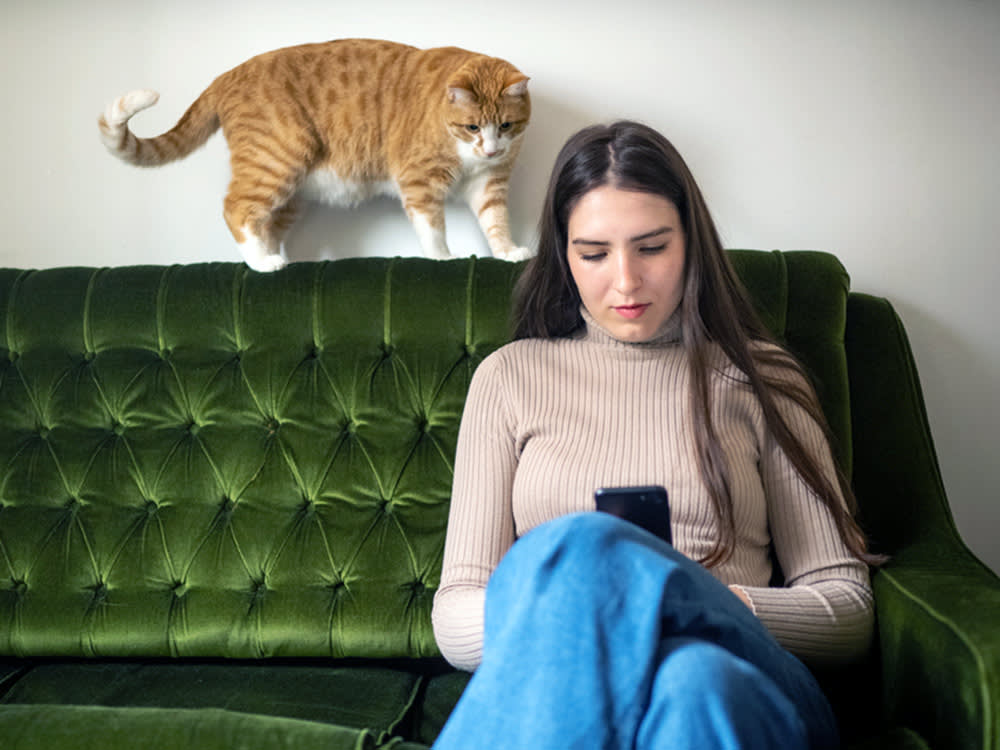 TrainingThe Cat-Lover Paradox: Why Loving Cats Makes You Worse at Meeting ThemLeila Torres · 6 min
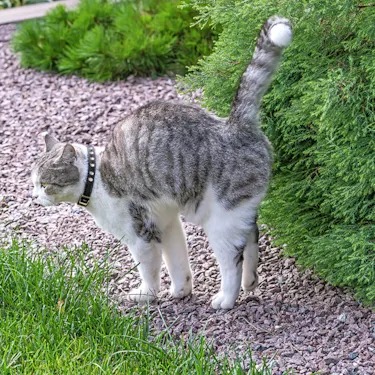 Health & WellnessYour Male Cat Isn't Being Spiteful. He's Leaving You a Note.Dr. Mara Chen · 7 min