


The Coyote Vest Is a Punchline Until It's All That's Between Your Dog and a Coyote
A spiky vest looks ridiculous, which is exactly why people underestimate it. Here's how the gear actually works, the season it matters most, and why it's the last layer of a plan, not the whole plan.

Affiliate disclosure. This article contains affiliate links. We may earn a small commission if you buy through a link, at no extra cost to you. How we handle recommendations.
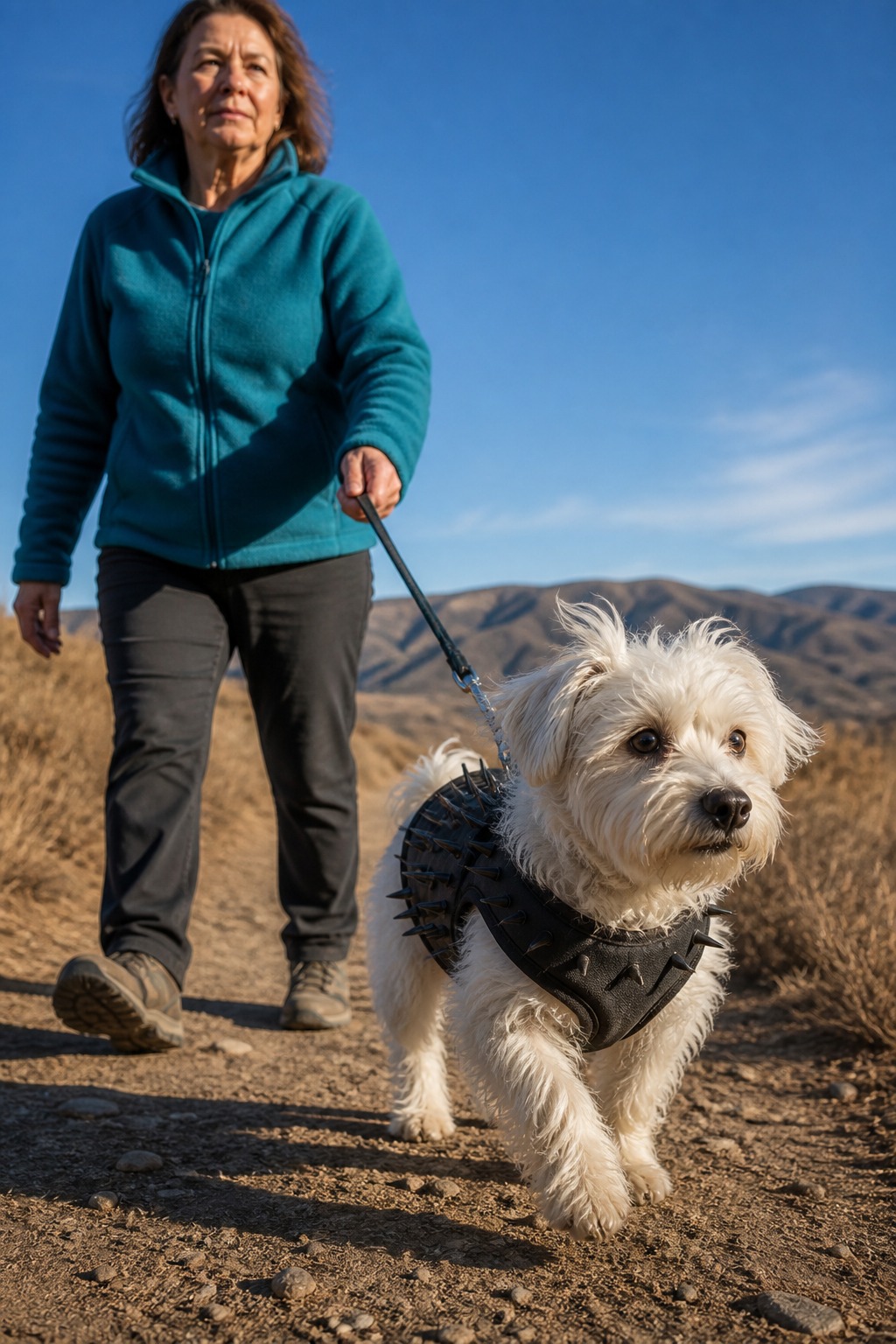
The spiky rainbow vest reads as a costume. That is the whole problem with how most people file coyote vests away in their heads: as a bit, a gag, something a fashion-forward neighbor straps onto a tiny dog for attention. Treat it as a joke and you will skip it, and skipping it is the mistake. A coyote vest is not an outfit. It is body armor with one job, and it does that job in the two seconds that decide whether a small dog walks away from a coyote or does not.
I learned this the way a lot of people in coyote country do, which is by getting scared badly enough to buy one. What I want to give you here is the part the punchline leaves out: how the gear physically works, the specific weeks of the year it matters most, and why the vest is the last layer of protection rather than a substitute for the four cheaper habits that come before it.
The two seconds a vest is built for
A coyote does not maul a small dog the way a larger dog fights. It grabs, clamps the neck or spine, and shakes, and it is trying to do all of that in one fast, silent lunge. The injuries that kill small dogs happen at the back of the neck and along the spine, and they happen almost instantly. Anything that makes that first grab fail buys you the only thing that helps: time to react.
That is the entire design logic of a spiked vest. It is not a full-body suit and it does not pretend to be. It armors the exact zone a coyote targets, so that a bite lands on hard plastic and stiff bristles instead of skin.
Coyotes almost always strike at the nape, and that is exactly the strip of real estate the vest armors. No garment covers the whole dog or promises survival, but it turns a clean fatal grab into a fumbled one, and a fumbled grab is often the difference between a scare and a funeral.
What is actually on the vest, and how each part fights back
Most people picture the spikes and stop there. A protective vest built for coyotes usually has three distinct defenses, and it helps to know what each one does.
The collar spikes are a ring of removable hard-plastic spikes around the neck, set roughly an inch apart, that make the prime target physically hard to bite down on. The spine strips run the same spikes along the back to guard the second most-attacked area. And the nylon whiskers, the loud rainbow burst that makes the whole thing look absurd, are the underrated part: they are stiff bristles that flare out well past the dog’s body, so a predator meets a faceful of bristle before it ever reaches the dog. They are meant to poke into a coyote’s mouth and throat on the lunge and make it flinch off. The silliness is the feature. A coyote reads that startling, oversized silhouette as wrong and hesitates, and hesitation is what you are buying.
Good vests size down to genuinely small dogs, roughly the two-to-fifty-five-pound range, which matters because a vest that does not fit snugly can be pulled off or twisted. When you are between sizes, size down. The gear only works if it stays put over the neck and spine.
The one I keep recommending is the CoyoteVest SpikeVest, which comes with the collar spikes and back strips as a set and takes the add-on whiskers. It is made in the U.S. and runs roughly $65 to $140 depending on configuration and add-ons, which is a real cost, and also less than one emergency-vet bill for a bite you did not prevent.
The part the vest can’t do: timing
Here is what almost no one tells you when they hand you a vest. The vest is your last layer, and it works far better sitting on top of a plan that keeps you out of the encounter in the first place. That plan is mostly about when.
Coyotes are crepuscular, most active and hunting hardest at dawn and dusk, when low light and moving prey give them the advantage. If you have a small dog and any choice about it, do not do your off-leash or loose-leash walks in that gray window during high-risk months.
And there are high-risk months. Coyotes turn most aggressive around denning. Roughly January through March is mating and early pupping season, when parents defend den sites hard and lose much of their normal wariness of people. Then May through August, the new pups are learning to hunt and the young adults are bold and clumsy about it. If you only tighten up your routine for part of the year, tighten it for those windows.
“The vest is the seatbelt, not the whole safe drive,” says Dr. Ravi Mehta. “In pupping season I tell small-dog owners to shorten the leash, skip the dawn and dusk loops in coyote-active spots, and never leave a small dog alone in an unfenced yard. The vest is there for the moment the plan fails, and plans fail.”
If a coyote is actually there
Keep your dog on a short leash and pick it up if you safely can. Do not run, because running can flip a curious coyote into a chasing one. Make yourself big and loud instead, which wildlife agencies call hazing: shout, wave your arms, swing a bag or a walking stick, throw something in its direction. Carry a noisemaker if your area has repeat sightings; a whistle or a phone alarm can be enough to break a coyote’s nerve. The goal of hazing is not to hurt the animal, it is to keep local coyotes afraid of people, which protects every dog on the block, not just yours.
So, should you get one?
If you live somewhere with real coyote activity and your dog is small, yes. Buy the vest, and also buy into the habits around it: the shortened leash, the avoided hours, the loud confident hazing, the fenced yard your dog is never left alone in. Wear the vest during the risky months and the risky hours specifically. It will look ridiculous. Let it. Looking ridiculous is a very small price for the two seconds it might buy you.
References
- American Kennel Club. “How to Protect Your Dog From Coyotes and Coyote Attacks.” https://www.akc.org/expert-advice/health/coyote-attacks-protecting-dogs/
- The Humane Society of the United States. “Coyote Hazing: Guidelines for Discouraging Neighborhood Coyotes.” https://www.humanesociety.org/resources/coyote-hazing
- Cook County Urban Coyote Research Project. “Conflicts: A Research Perspective.” https://urbancoyoteresearch.com/coyote-info/conflicts-research-perspective
- MedVet. “Coyote Attacks on Pets: What Dog and Cat Owners Need to Know.” https://www.medvet.com/coyote-attacks-on-pets/
Not a substitute for your vet. Our guidance is educational. For urgent symptoms, contact a vet or emergency clinic right away. Editorial standards
Dr. Park is a board-certified emergency and critical care specialist. She reviews our health and safety content for clinical accuracy and contributes guides on recognising urgent conditions. Her focus is helping owners act quickly and correctly when it matters most.
Meet our experts ↗Keep reading
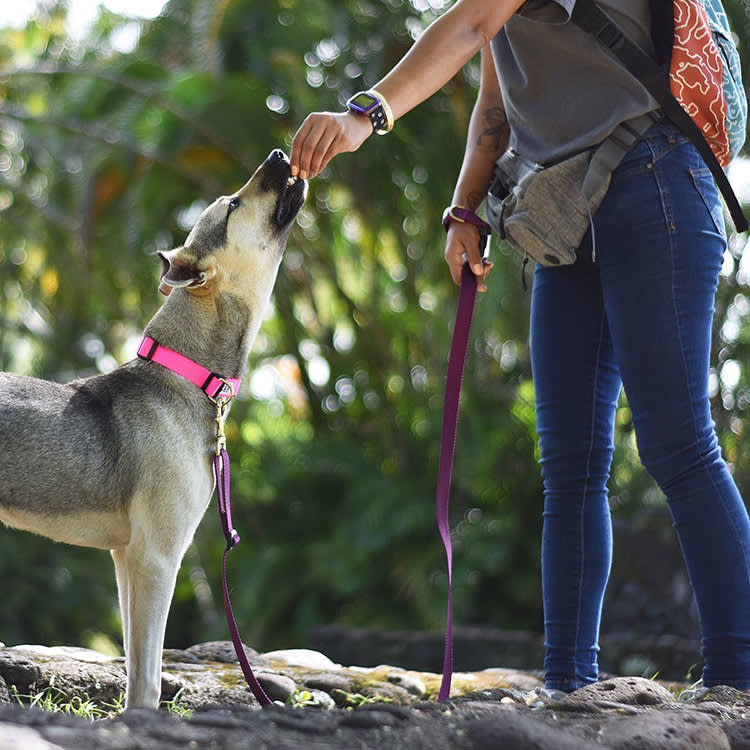 Product PicksRescue Workers Swear by This Collar. Most People Use It Wrong.Dr. Nina Kohl · 7 min
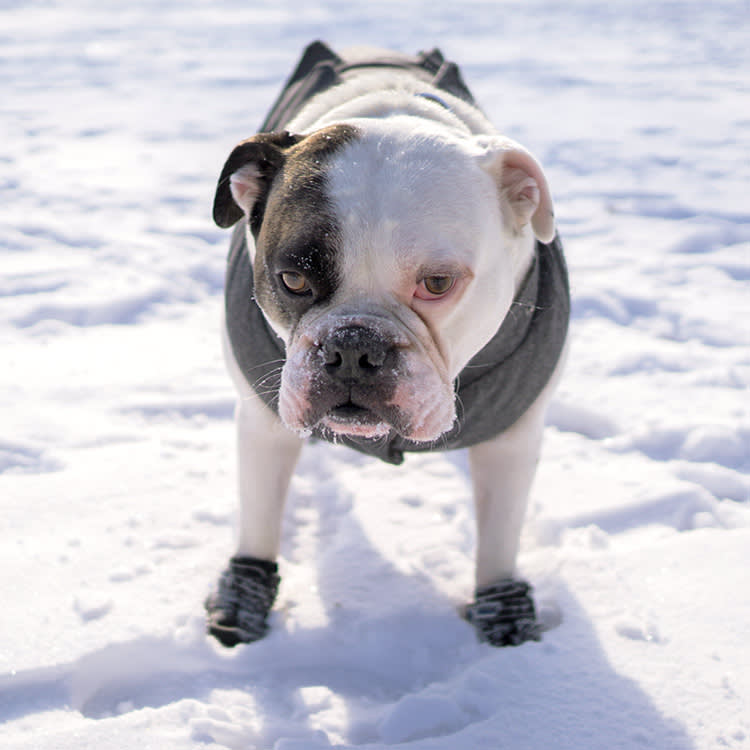 TrainingThat Bootie Wobble Isn't Funny. You Just Blindfolded Their Feet.Dr. Nina Kohl · 8 min
 Health & WellnessThe Bug Spray in Your Bag Could Poison Your Dog. Reach for These Instead.Dr. Ravi Mehta · 6 min
 Product PicksNo One Is Checking Your Dog's Toys. Here's the 60-Second Test That DoesTom Hadley · 8 min
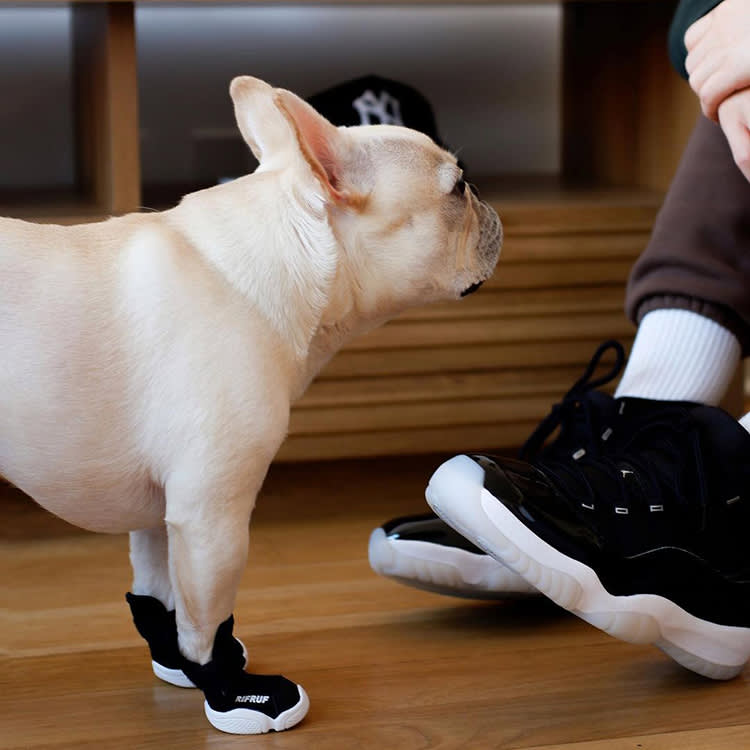 Product PicksDog Shoes Don't Fail Because They're Ugly. They Fail Because They Fall Off.Sasha Ford · 5 min
 Product PicksThis $380 Dog Car Seat Is Gorgeous. It Is Not a Safety Device.Sasha Ford · 6 min