


Feline Mange Is Five Different Problems. Only Some Spread to You
'Mange' in cats isn't one disease, it's five distinct mites with five different stories. The detail that should drive what you do tonight is which ones jump to humans and other pets. Here's the contagion map, the signs, and the modern treatments.

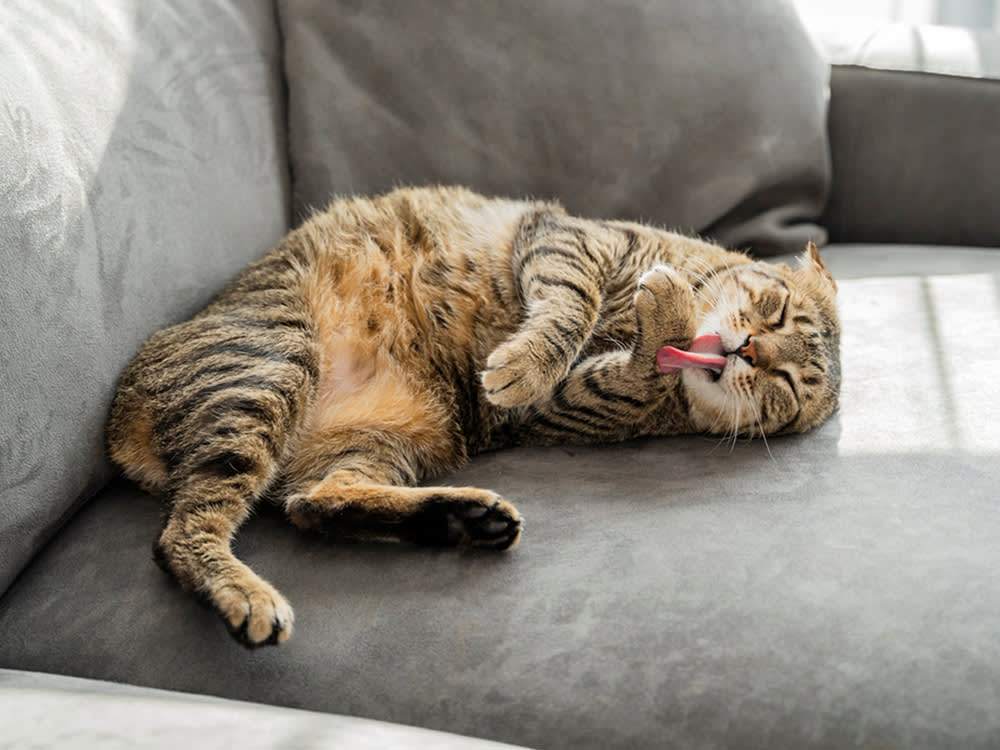
“Mangy cat” conjures one image: a thin, half-feral stray. It’s a misleading picture, because mange isn’t a single disease and it isn’t reserved for neglected animals. Even a pampered indoor cat can get it. More usefully, “mange” is a catch-all for at least five different mites, each living in a different place, causing different signs, and, crucially, each with a different answer to the one question that should shape what you do the moment you suspect it: can this spread to me and my other pets?
That’s the lens worth bringing to feline mange. Not “what is mange,” but “which mite, and does it leave the cat.” Get that right and you’ll know whether tonight calls for a calm vet appointment or a full sweep of the household’s bedding.
The contagion map, first
Before the deep dive, here’s the part that drives action. Match the suspected mite to its risk and you know how wide to cast your response.
| Mite | Where it lives | Spreads to humans? | Spreads to other pets? | Telltale sign |
|---|---|---|---|---|
| Demodex cati | Deep in hair follicles | No | No (not contagious) | Patchy facial hair loss, dark ear wax; flares with illness |
| Demodex gatoi | Skin surface | No | Yes (cat to cat) | Itchy hair loss on face, neck, or widespread |
| Notoedres cati (feline scabies) | Burrows into skin | Yes | Yes (highly) | Intense itch, crusting on ear margins, face, neck |
| Cheyletiella (“walking dandruff”) | Skin surface | Yes | Yes (cats, dogs, rabbits) | Visible moving “dandruff” along the back |
| Otodectes (ear mites) | Ear canal | Yes (rarely) | Yes | Thick dark-brown ear debris, head shaking |
| Sarcoptes (canine scabies) | Burrows into skin | Yes | Yes (prefers dogs) | Itch, crust on ears, head, paws |
Read that table and the priorities sort themselves. A Demodex cati problem is largely a “treat this cat and find the underlying illness” situation. A Notoedres or Cheyletiella problem is a “treat every animal and decontaminate the house, and don’t be surprised if you get itchy too” situation.
One reassurance about the human column: when these feline mites do transfer to people, the rash they cause is almost always temporary. Species like Notoedres and Sarcoptes from a cat can’t complete their life cycle on human skin, so they don’t establish a lasting infestation the way they do on the cat. The itch and bumps are real and annoying, but they typically fade once the animal source is treated. Your own doctor can help with the symptoms; the durable fix is clearing the cat.
The five mites, in plain terms
Demodex (the follicle dwellers). Two species affect cats. Demodex cati is a normal, quiet resident of feline skin that only causes trouble when something else lets its population explode, which is why it most often shows up in young kittens or immunocompromised adults (FIV, FeLV, diabetes, cancer). It causes patchy hair loss, usually on the face, plus redness, scaling, and sometimes ear inflammation with excess dark-brown wax that may be the only visible clue. It is not contagious. Demodex gatoi is the troublemaker of the pair: it lives on the skin surface, is contagious between cats, and causes visible hair loss and itching that can stay on the face and neck or spread widely.
Notoedres (feline scabies). Notoedres cati is the classic cause of feline scabies, highly contagious between cats and spreadable to humans too. The mites burrow in and trigger intense itching, with crusting concentrated on the ear margins, face, neck, and forelimbs. Much of the damage, hair loss, raw excoriations, inflammation, comes from the cat’s own frantic scratching and over-grooming. Crowded, multi-cat environments are the highest-risk settings.
Cheyletiella (“walking dandruff”). Cheyletiella blakei is large enough to see with the naked eye, and it earned its nickname because you can watch the flakes “move” across the skin. It spreads readily among cats, dogs, rabbits, and people, and typically causes scaling, crusting, and small bumps along the back.
Otodectes (ear mites). Otodectes cynotis is a common cause of feline ear infections and spreads to other pets and, occasionally, people. The mites live in the ear canal and produce thick, dark-brown debris (some cats fling it out with aggressive head-shaking). Expect itching, redness, droopy ears, and self-inflicted scratches on the ear flaps; the mites can also cause itchy bumps on the neck, rump, or tail.
Sarcoptes (canine scabies that wanders). Sarcoptes scabiei var. canis prefers dogs but can hop onto a cat, or a human, living in close contact. Affected cats get itchy and develop scaling, crusting, and hair loss, mainly on the ears, head, neck, tail, and paws, with lesions spreading the longer it goes untreated.
The overlapping symptom list
Some signs are specific (thick dark ear gunk points hard at Otodectes), but most overlap. Across the mites, watch for:
- Patchy hair loss
- Itching, often intense
- Over-grooming and self-trauma
- Crusting and scabs
- Scaling or dandruff
- Redness
- Small bumps
- Ear debris
- Skin thickening
- Hyperpigmentation
When to get the vet involved
Skin problems make even a content cat miserable, and because several of these mites are contagious to you and your other pets, a suspected case isn’t a wait-and-see situation. Book a visit promptly if your cat develops itchy skin lesions, hair loss, persistent head-shaking with dark ear debris, or crusting around the ears and face, and especially if other animals or people in the home start itching too.
The instinct to grab an over-the-counter remedy is understandable, but it backfires with mange. The treatment is completely different depending on which mite it is, and you can’t tell them apart by eye. A quick skin scraping or ear swab under the microscope tells us exactly what we’re fighting, and that’s what lets us pick a treatment that actually works instead of one that just delays relief.
Diagnosis and the modern treatment picture
Because the right treatment hinges on the mite, diagnosis comes first. Most of these mites are microscopic, so your vet collects a sample, a scalpel skin scraping, a clear-tape prep, a flea-comb pass, or an ear swab, and identifies the culprit under the microscope.
Treatment has modernized substantially. Alongside the long-standing tools, topical or injectable miticides, medicated baths, antibiotics for secondary infection, and itch relief, the isoxazoline class of parasiticides (the same family behind many modern flea-and-tick products) has become a mainstay for feline mange. Products containing fluralaner, or topical combinations pairing selamectin with sarolaner or built around esafoxolaner, are now widely used, often off-label in cats, to clear Demodex, Notoedres, ear mites, and related infestations, frequently with simpler dosing than older protocols. It’s worth knowing that controlled feline studies are still limited for some uses, so this is firmly a “your vet chooses and supervises” decision, not a DIY one. If any pet in the household is diagnosed, treat all of them and clean shared bedding and grooming tools.
Prevention
Because several types are highly contagious, limiting exposure to affected animals is the front line. Some monthly parasite preventives also guard against ear mites, so ask your vet what your cat’s product covers. And since opportunists like Demodex cati thrive on a weakened immune system, the best prevention is overall health: routine vaccinations, a balanced diet, weight management, and reduced contact with strays all lower the risk of the FIV, diabetes, and other conditions that let mites take hold.
The bottom line
Mange is a mite infestation, and in cats it’s really five problems sharing one name. A cat can catch the contagious types from other animals or, with Demodex cati, develop trouble when illness lets a normal resident overgrow. The smartest first move isn’t a pharmacy run, it’s a vet visit to identify the mite, because that single answer tells you the treatment, whether your other pets need treating, and whether you should expect an itchy rash of your own. Treated correctly, with the whole household covered when needed, even an intensely uncomfortable case clears up.
References
Common questions
Can I catch mange from my cat?
Some types, yes. Notoedres (feline scabies), Cheyletiella ('walking dandruff'), Sarcoptes, and ear mites can transfer to people, usually causing a temporary itchy rash. Demodex does not spread to humans. That's why identifying the mite matters.
How is feline mange treated now?
Treatment depends on the mite and requires a vet diagnosis, but the landscape has shifted toward modern isoxazoline-class parasiticides (often used off-label in cats) alongside topical or injectable miticides, medicated baths, and treatment of any secondary infection.
Not a substitute for your vet. Our guidance is educational. For urgent symptoms, contact a vet or emergency clinic right away. Editorial standards
Dr. Park is a board-certified emergency and critical care specialist. She reviews our health and safety content for clinical accuracy and contributes guides on recognising urgent conditions. Her focus is helping owners act quickly and correctly when it matters most.
Meet our experts ↗Keep reading
 Health & WellnessThe Benadryl Trap: Why the Go-To Cat Remedy Usually Fails, and What WorksDr. Mara Chen · 9 min
 Health & WellnessThe Twitchy Back Is Usually Nothing. The One Time It Isn't Has a Name.Dr. Lena Park · 8 min
 Health & WellnessRingworm Isn't a Worm. It's a Fungus That Can Jump to You.Dr. Priya Nair · 6 min
 Health & WellnessPuffy, Bruised 'Toe Beans' Aren't an Injury — They're a WarningDr. Mara Chen · 5 min
 Health & Wellness"Twitchy Cat Syndrome" Looks Terrifying. The Research Says Most Cats Recover.Dr. Lena Park · 7 min
 Health & WellnessA Hot Spot Is the Smoke, Not the Fire. Here's How to Find What's Burning Your Cat.Dr. Amara Solis · 7 min