


Are Cat People Really More Neurotic? Here's What the Research Shows
A study of 329 pet owners found cat parents scored higher for neuroticism and dog parents higher for resilience. Before you take offense, here is the full picture.
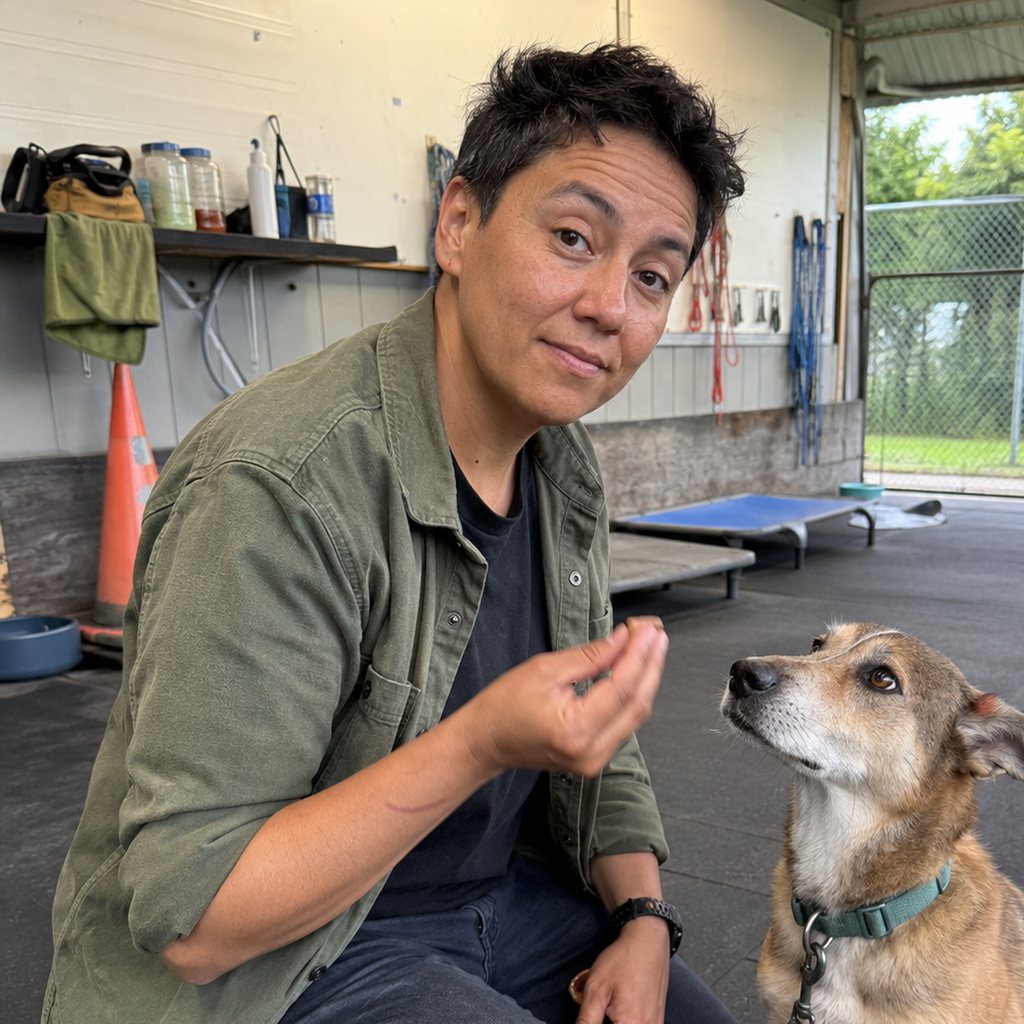
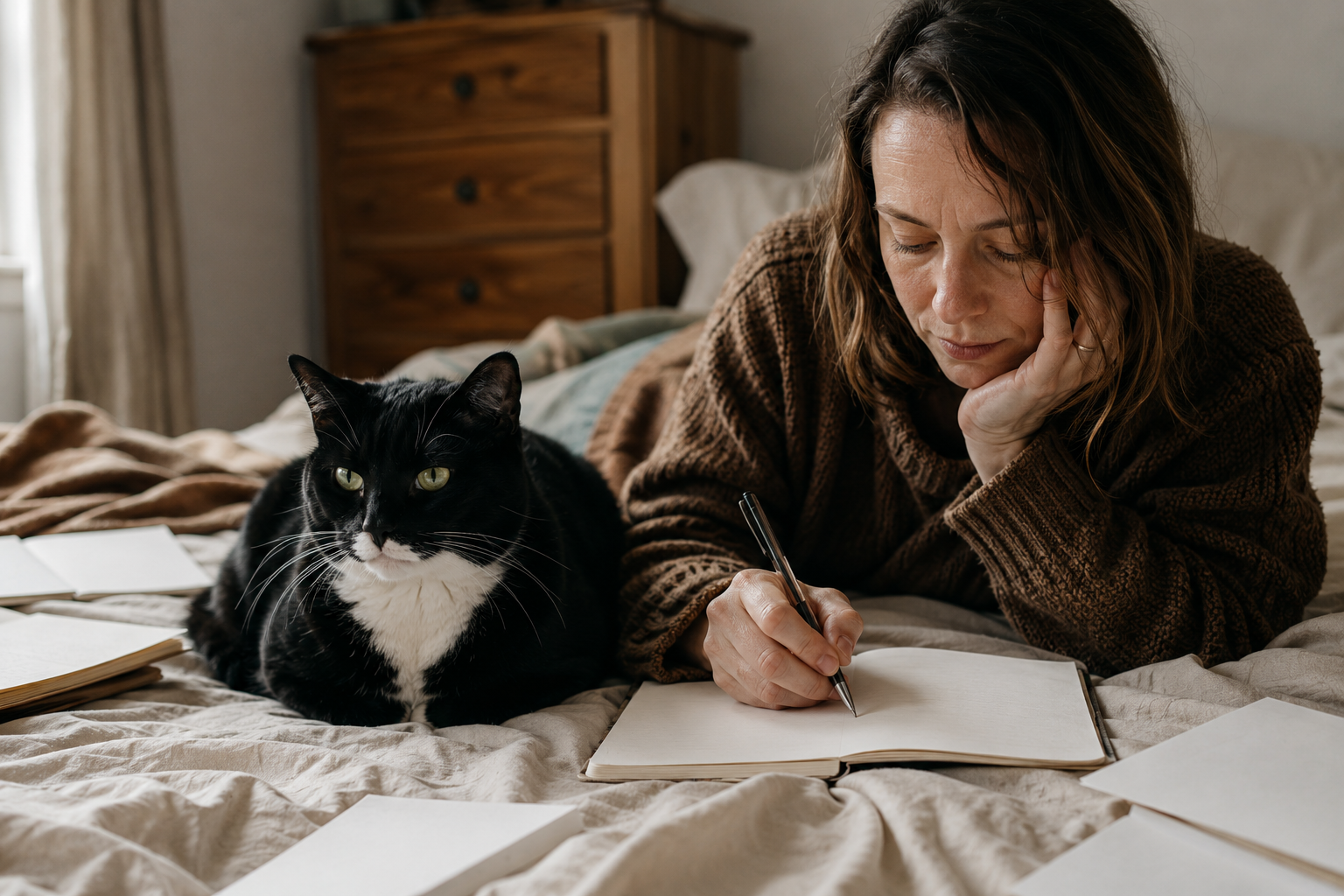
“So, are you a dog person or a cat person?” We treat the answer like a personality reveal, sizing someone up in the two seconds it takes them to reply. It feels like overconfidence. It turns out it is not entirely wrong.
Researchers Jessica Oliva and Leah Michelle Baines published a study in the journal Anthrozoos that put the old “dog people versus cat people” divide to a real test. Their headline finding, the one cat owners will want context for, is that cat parents did score higher on neuroticism than dog parents. Stay with us, because the story is more flattering to cats than that sentence sounds.
What the study actually measured
Oliva and Baines surveyed 329 participants and scored them across six traits: resilience, openness to experience, conscientiousness, extraversion, agreeableness, and neuroticism. They had hoped to compare pet owners against people with no pets too, but the non-owner group was too small to draw conclusions from, so the comparison narrowed to cat owners versus dog owners.
Going in, they expected cat parents to land higher on neuroticism, because earlier research had already pointed that way. The result held. But neuroticism on a personality scale is not an insult. It describes sensitivity and emotional reactivity, which often travel alongside other strengths.
This is not a new idea
The pattern stretches back decades. A 1980 study comparing the personalities of different pet owners kicked off a line of research that later scholars kept echoing.
While writing his 2000 book Why We Love Dogs the Way We Do, psychology professor Stanley Coren surveyed 6,149 people and found that dog owners tended to be more extroverted and agreeable, while cat owners leaned more introverted and somewhat less agreeable.
A decade later, University of Texas at Austin psychologist Sam Gosling ran his own survey of 4,565 volunteers with his own questions and landed in a similar place. In his sample, 46 percent called themselves dog people, 12 percent cat people, 28 percent both, and 15 percent neither. Dog owners scored higher for extraversion, agreeableness, and conscientiousness. Cat owners came out ahead on both openness and neuroticism. A balanced personality, you might say, holds a little of everything.
The resilience twist
Here is where it gets interesting. This whole line of inquiry started with loneliness, not personality. During COVID-19 lockdowns, Oliva, a researcher at James Cook University, wanted to know how living with a pet affected isolation. Several studies later, she found a statistically significant pattern: dog people tend to be more resilient than cat people. Why that link exists is still genuinely unclear.
Her 2020 loneliness study, co-authored with Kim Louise Johnston, found that people who lived alone with a dog were less lonely than people who lived alone without one, whether or not they had other pets.
The most honest read on this research is that it describes tendencies across big groups, not destiny for any one person. Plenty of the calmest people I know are devoted cat owners, and plenty of dog owners are bundles of nerves.
“Frequency of pet interactions did not explain these findings,” Oliva noted, “so we assumed the dogs were acting as a kind of social catalyst.” The neat theory ran into trouble, though. When she and Johnston later looked at dog walking and loneliness specifically, they found no significant link. So they began to wonder whether something about the kind of person who chooses a dog also makes them more resilient to stress, which is what led to the 2024 personality comparison.
Chicken, meet egg
The study has one big limitation the authors are upfront about. Because they surveyed people only once, rather than tracking them over time, “it is not possible to know which comes first, the owner’s personality or the pet.”
That is the classic chicken-or-egg trap. Do steadier people gravitate toward dogs, or does living with a dog gradually build resilience? Answering that requires a longitudinal study, one that follows the same people as time passes.
That work is already underway. Oliva is running a long-term study with the Royal Society for the Prevention of Cruelty to Animals, tracking how the bond between new dog and cat owners develops over the first year after adoption. She plans to check in with recently adopted owners at three months, six months, and one year, measuring depression, stress, and anxiety along the way.
What’s new since this was written
Follow-up commentary on this research has pushed back gently on the “cat people are neurotic” framing, and for good reason. Personality psychologists increasingly stress that the effect sizes in these pet-owner comparisons are small, meaning the average difference between groups is real but modest, and it tells you almost nothing about any individual you meet.
The more durable takeaway from recent work is about the bond itself rather than the label. Studies on pet attachment continue to find that the quality of the relationship, how much comfort and routine a pet provides, matters far more for a person’s wellbeing than whether the animal happens to bark or purr.
References
- Baines, Leah Michelle, and Jessica Lee Oliva. “Unleashing the Personality Divide: Resilience in Dog Owners, Neuroticism in Cat Owners.” Anthrozoos, 2024. https://doi.org/10.1080/08927936.2024.2378592
- Oliva, Jessica Lee, and Kim Louise Johnston. “Puppy Love in the Time of Corona: Dog Ownership Protects against Loneliness for Those Living Alone during the COVID-19 Lockdown.” International Journal of Social Psychiatry, vol. 67, no. 3, 2020. https://doi.org/10.1177/0020764020944195
Jordan Ellis is a certified professional dog trainer with a decade of experience working with rescue organisations and private clients. They specialise in anxiety, reactivity, and positive reinforcement methods, and review all training and behaviour content at The Pet Times.
Meet our experts ↗Keep reading
 LivingThe Cutest Pet Doesn't Win. The Most Professional One Does.Sasha Ford · 5 min
 LivingThe Pet Portrait Artist Who's Allergic to Every Animal He PaintsSasha Ford · 7 min
 LivingYour Cat Eats Organic. You Eat Standing Over the Sink.Jordan Ellis · 6 min
 LivingYour Pisces Pet Feels Everything. Loving Them Back Is Its Own Art.Sasha Ford · 4 min
 LivingThat Urge to Squeeze Your Dog Is Your Brain Hitting the BrakesSara Lim · 7 min
 LivingQueer Eye Is Over. The Pets Outlasted the Fab Five.Sasha Ford · 5 min