


The "Boy Dog Mom" Trope Isn't About Gender. It's About Who Does the Work
TikTok swears boy dogs worship their moms. The pattern is real, but the cause isn't the dog's sex, it's who handles the feeding, walking, and comfort. Here's what that means for becoming your dog's favorite person.
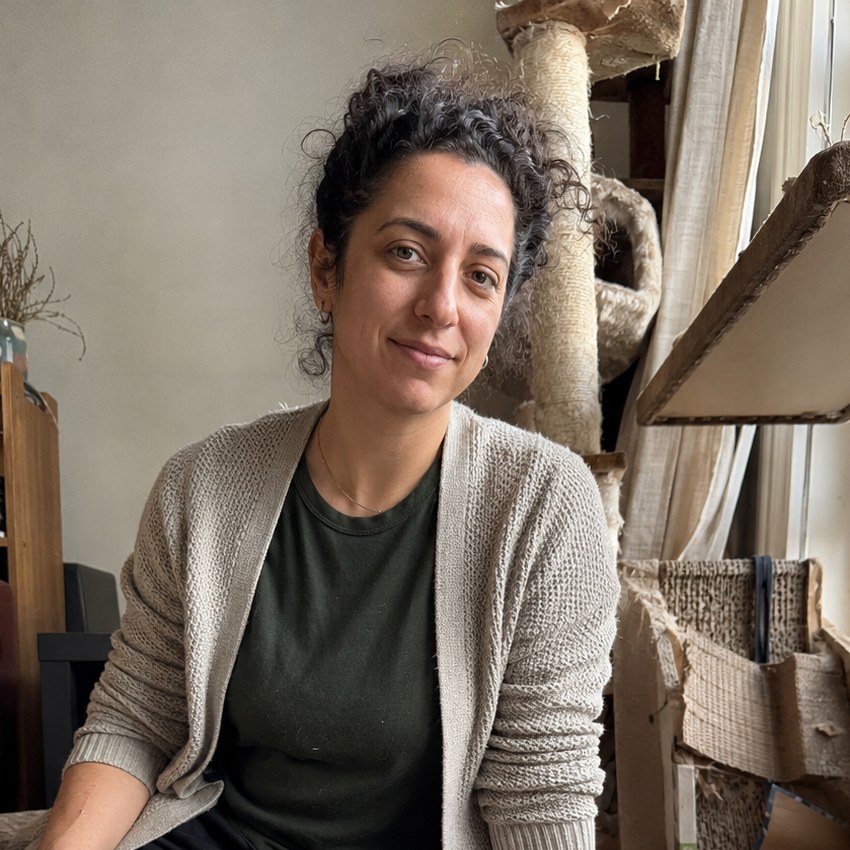
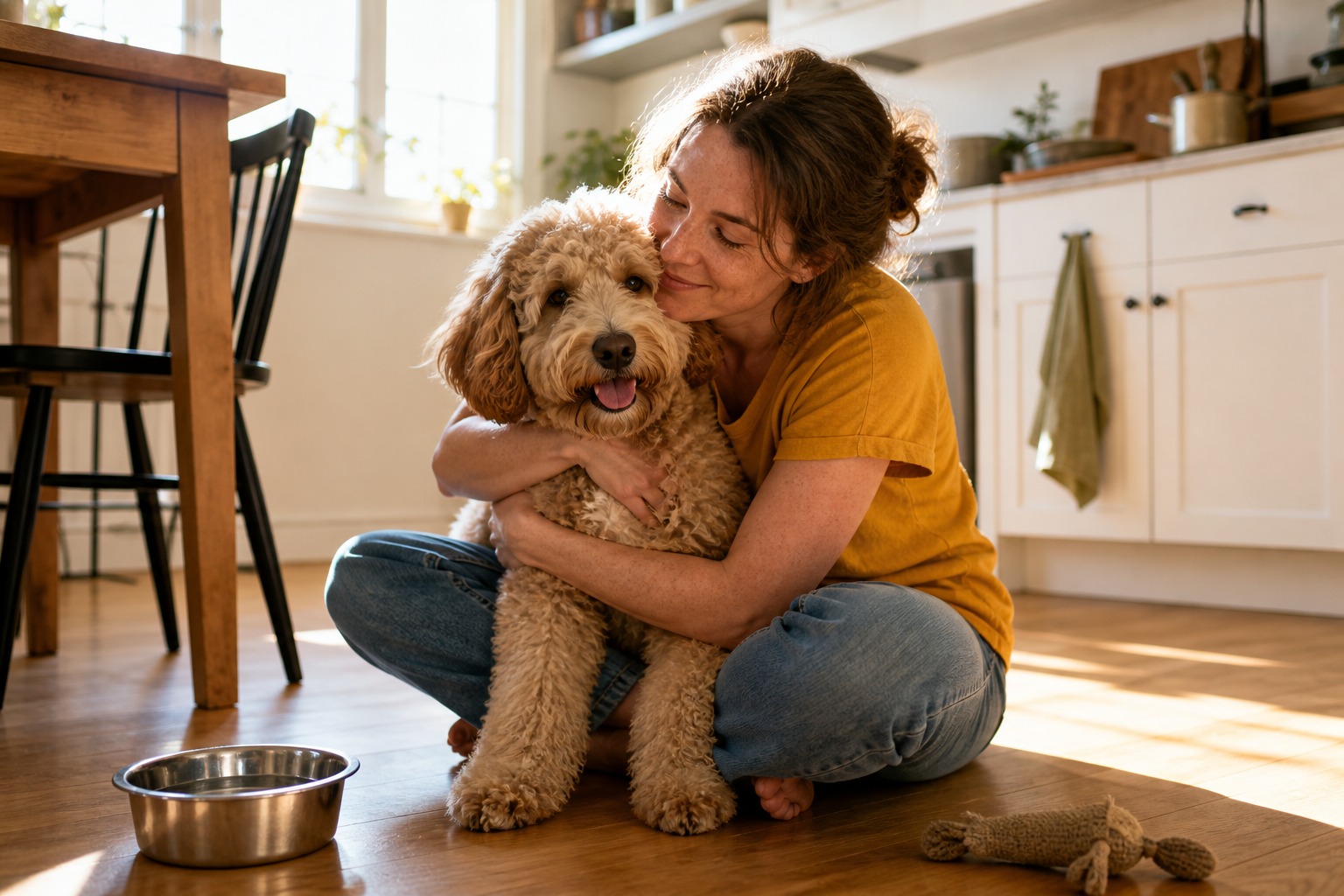
My dog Charlie cannot be in a room I am not in. He is a Boxer mix who was born deaf, and since the day I adopted him nearly three years ago he has treated “I have to go to the bathroom” as “we have to go to the bathroom.” Shower, makeup, a detour to the kitchen: he supervises every stop on the tour. Leave the house and he watches from the window and cries until I am back. Georgie, my girl, runs our relationship on her own terms and requires approximately nothing from me.
According to TikTok, this is a known phenomenon. There is an entire corner of the app for “Boy Dog Moms,” cataloguing male dogs who cannot get enough of the women who raise them. And here is my honest position, stated up front so you know where this is going: the pattern those videos capture is real. People are not imagining it. But the explanation everyone reaches for, that boy dogs are wired to adore a female parent, is almost certainly wrong. The trope survives because it quietly swaps a real cause, who does the dog’s daily care, for a tidier one, gender. Untangle those two and you get something far more useful than a cute label. You get a recipe for becoming any dog’s favorite person, on purpose.
The claim is testable, and it mostly fails
Start with what is easy to check. If “boy dogs love their moms” were really about canine sex and human gender, the effect should hold across households, breeds, and family structures. It does not.
I put it to Dr. Mara Chen, a veterinarian who works in behavior. “If male dogs were drawn to women because of some innate read on gender, we’d expect it to be consistent,” she says. “It isn’t. What’s consistent is that dogs bond hardest to whoever is most reliably present and most reliably good news, food, walks, comfort, play. In a lot of homes, that person happens to be a woman. The dog isn’t responding to her gender. It’s responding to her schedule.”
That distinction sounds small. It is the whole article. Because if the bond tracks the work rather than the chromosomes, then the bond is something you can build, not something you are assigned at adoption.
Follow the labor, find the favorite
Once you start looking for the care pattern instead of the gender pattern, it is everywhere in the stories people tell about their boy dogs.
Erika Harwood, a Los Angeles mom to two boy Pugs, Weenie (eight) and Pastrami (one), is a case study in plain sight. “I had to move both of their bodies off of me to write this email,” she says. But notice who does what in her house. Her husband, Ben, is the one assigned the unpleasant jobs, including applying Pastrami’s wrinkle cream. “Pastrami knows this and will immediately run to me to hide from him,” Harwood says. “I’ve told Ben I refuse to put on the cream because we can’t both be seen as the bad guys, and I have a reputation in this household to maintain.” That is not a dog reading gender. That is a dog keeping a meticulous ledger of who brings comfort and who brings the medicated lotion.
Bridget Goodwin, a Brooklyn mom to a four-year-old Havanese named Norm, shows the same mechanism from the other direction. When she brought Norm home from a small town in Mississippi as a puppy, she says, “it felt like he filled a place in my heart I didn’t even know was missing.” Then life did the experiment for her. Late last year she ended a long engagement, and her ex left Norm with her, saying the dog would be better off with his mom. “In those early days, I felt heartbreak for him as he waited by the door each night, not understanding why his dad wasn’t coming home, and this overwhelming maternal desire to protect him. I made a promise to Norm that I would always come back.” Norm’s attachment did not deepen because Goodwin is a woman. It deepened because, in the most stressful stretch of his life, she was the one who stayed.
That is the part Dr. Chen says people underrate. “Dogs thrive on predictability. Consistent routines and reliable returns are what let them form deep attachments and actually trust a person,” she says. Goodwin saw it in the most practical way possible: travel. “Norm used to be nervous in cars, on planes, on the subway. Now he’s calm, even excited, because he knows he’s safe as long as we’re together. That trust means everything.” The bond and the calm are the same thing, built from the same reliability.
What about the dogs who genuinely fear men?
There is a version of this story that is not about care labor at all, and it is worth separating cleanly, because conflating the two is how the gender myth keeps its footing. Some dogs really do seem wary of men specifically.
That wariness is usually about body language and socialization history, not an instinct. “Dogs read posture before anything else. A big frame bending over the top of them registers as pressure, and the person doing that is more often, though certainly not always, a cis man, taller on average and quicker to approach head-on,” Dr. Chen explains. A dog who got few good experiences with men during their socialization window, or who once had a bad one, can read the whole category as a risk. “It looks like the dog prefers women,” she says. “What’s actually happening is the dog is avoiding a posture and a size it never learned to feel safe around.” Good news for the dads reading this: that is fixable with patient, low, treat-paired introductions, because it was learned, not hardwired.
So how do you become the favorite on purpose?
If the bond follows the work, the work is the lever. None of this requires being any particular gender, and all of it is available to the partner, roommate, or relative who feels like the dog’s second-string human.
- Own a daily ritual the dog can count on. Be the one who does the morning feeding or the evening walk, every day, at roughly the same time. Reliability is the currency dogs actually trade in.
- Be the source of comfort, not correction. Like Harwood’s husband learned the hard way, the parent stuck with nail trims and ear drops pays a relationship tax. Trade off the unpleasant jobs so no single person becomes “the bad guy.”
- Win the scary moments. A dog forms their strongest attachments to whoever makes the vet, the thunderstorm, or the crowded sidewalk feel survivable. Show up calm when the dog is frightened and you become their safe base.
- Read them as an individual, not a stereotype. “Some dogs are super independent, while others would crawl into your skin if they could,” Dr. Chen says. “It’s like extroverts and introverts. Celebrate the dog you actually have.”
That last point is where my own house lands. I work from home, so Charlie and I built a trusting, gentle connection over thousands of ordinary hours. Georgie has had just as many hours of my company over her seven years and remains gloriously indifferent to me, because she is, simply, a more independent dog. The clinginess gap between my boy and my girl is not a gender story. It is a Charlie-and-Georgie story.
I am a queer dog mom, so this was never going to end on “dog moms rule, dog dads drool.” But I will admit I feel a little extra-special that my boy dog seems convinced I hung the moon, and I will keep enjoying Boy Dog Mom TikTok as the good fun it is. I just no longer believe it is telling me anything about Charlie’s sex. It is telling me about the years I spent being the most reliable thing in his life, and that, unlike gender, is something anyone can choose to become.
Sasha Ford is a certified cat behaviour consultant who has worked with shelters, catteries, and private clients across the country. They review all feline behaviour content at The Pet Times, with expertise in multi-cat households, indoor enrichment, and stress-related disorders.
Meet our experts ↗Keep reading
 LivingAn 8-Pound Rescue Chihuahua Yanked Her Down a Side Street. She Found a Fashion Brand.Nina Vasquez · 6 min
 LivingHe Kicked a Working Beagle Off the Ground. The Beagle Went Back to Work.Marcus Webb · 4 min
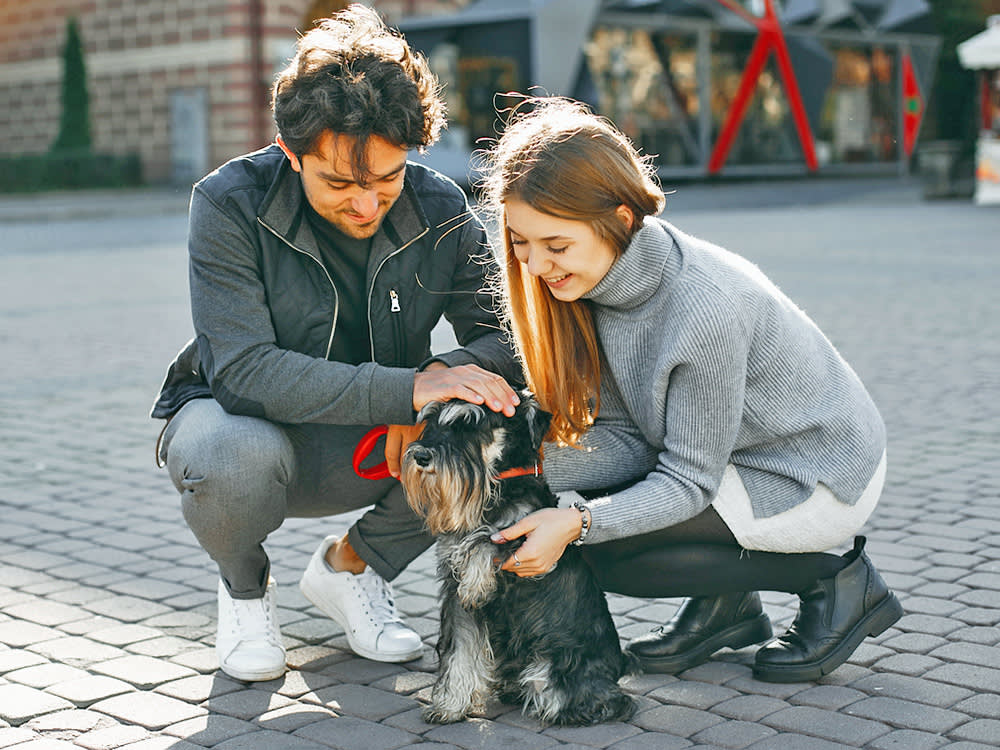 LivingEveryone Calls Your Dog 'He.' The Reason Has Nothing to Do With Dogs.Sara Lim · 7 min
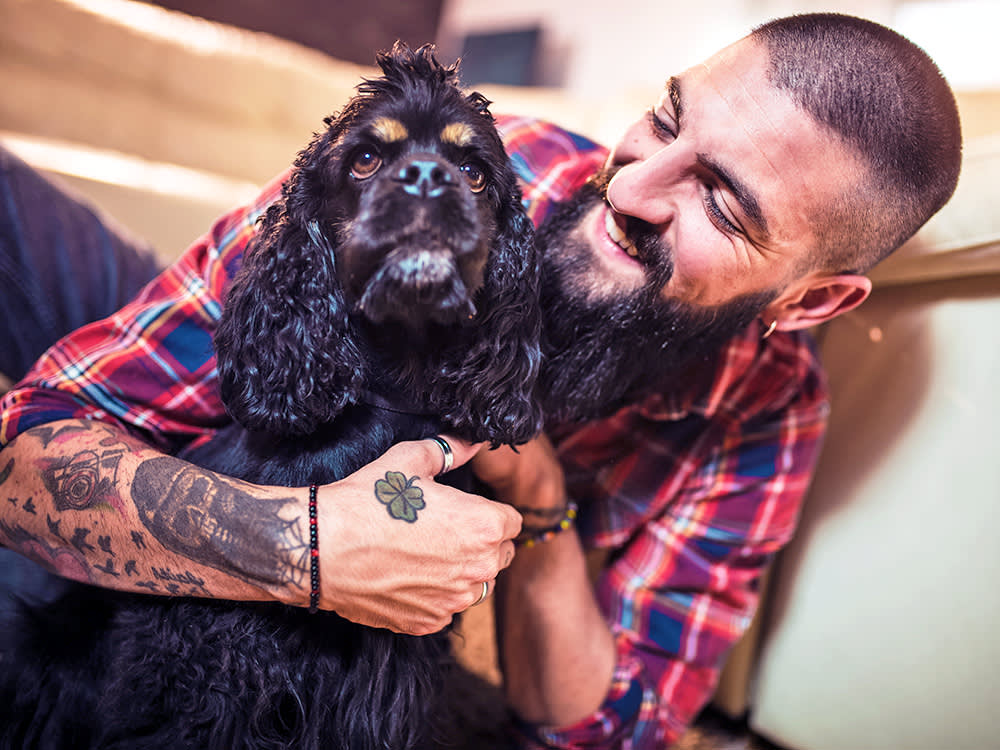 Health & WellnessThe 'Beards Are Dirtier Than Dogs' Study Says No Such ThingDr. Priya Nair · 6 min
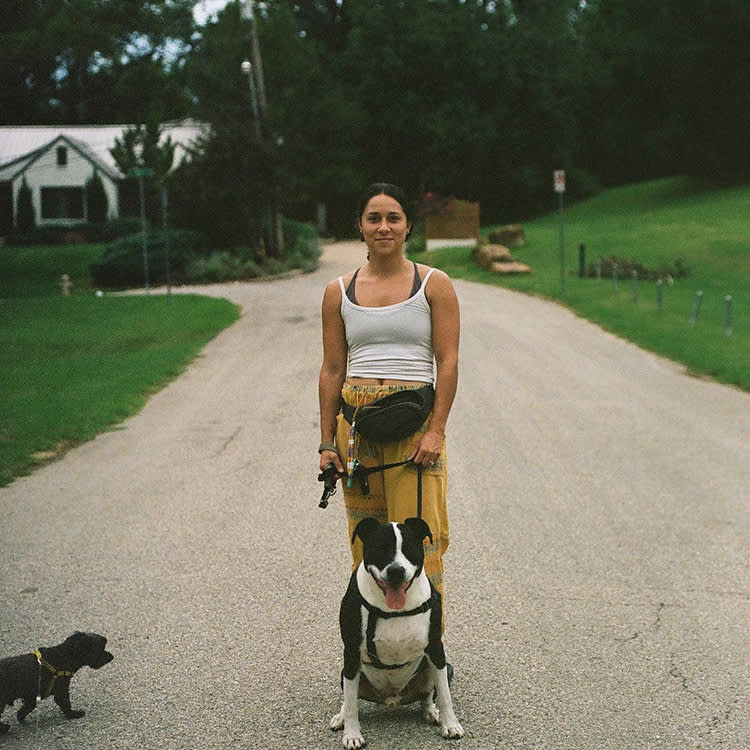 LivingThey Came to Shoot a TV Show. They Left Having Saved 14 Dogs.Sara Lim · 6 min
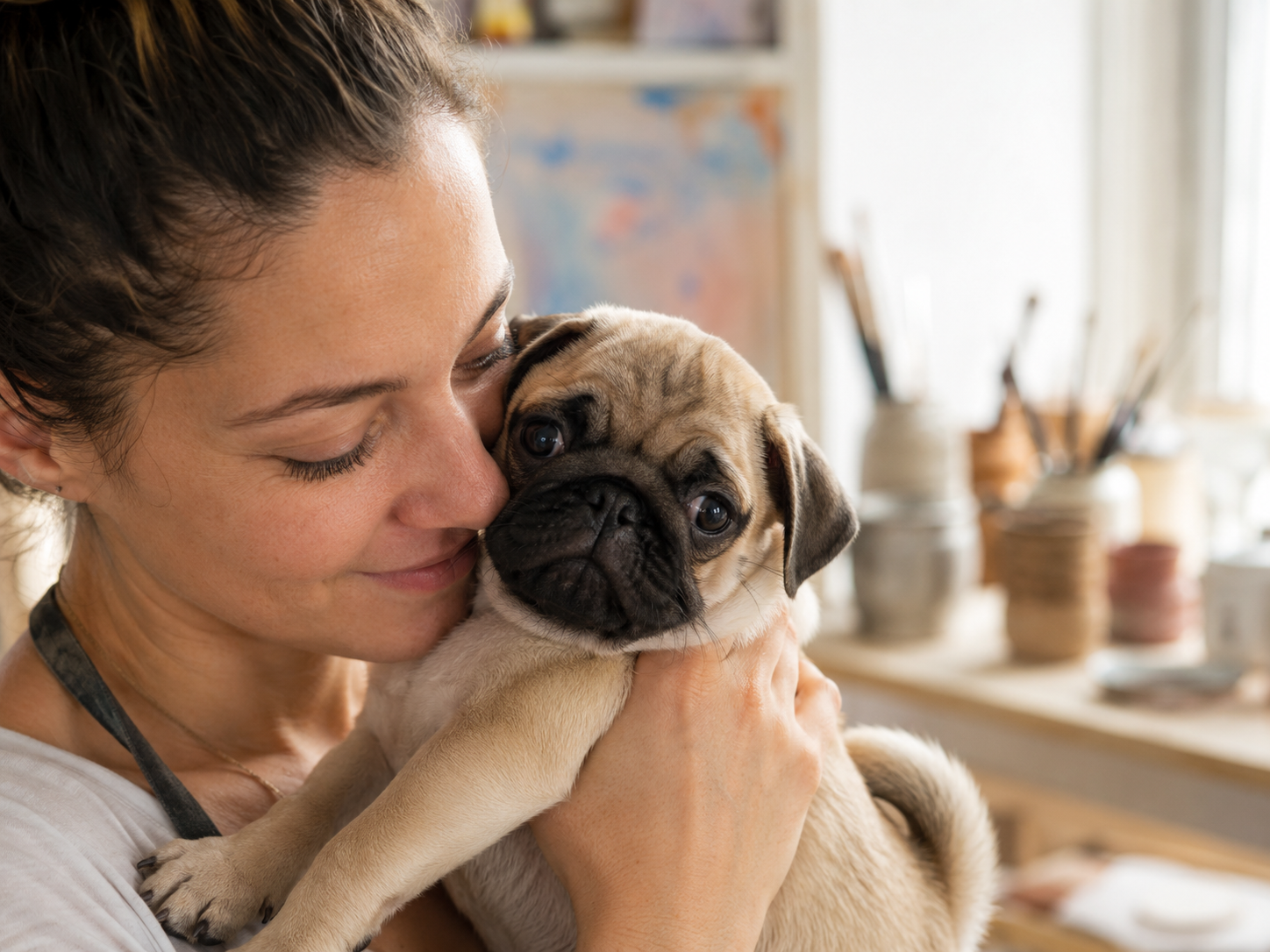 LivingHow a Pug Named Ziggy Helped Cake Artist Alana Jones-Mann Find Her Joy AgainNina Vasquez · 6 min