


Botanical Bones Started With an Anxious Pandemic Puppy and a Pantry of Adaptogens
Founder Rachel Meyer turned her own food-as-medicine philosophy into a superfood dog treat brand, then hit a wall most small makers do: the U.S. barely supports the sustainable packaging she wanted. Here's how the brand grew anyway.

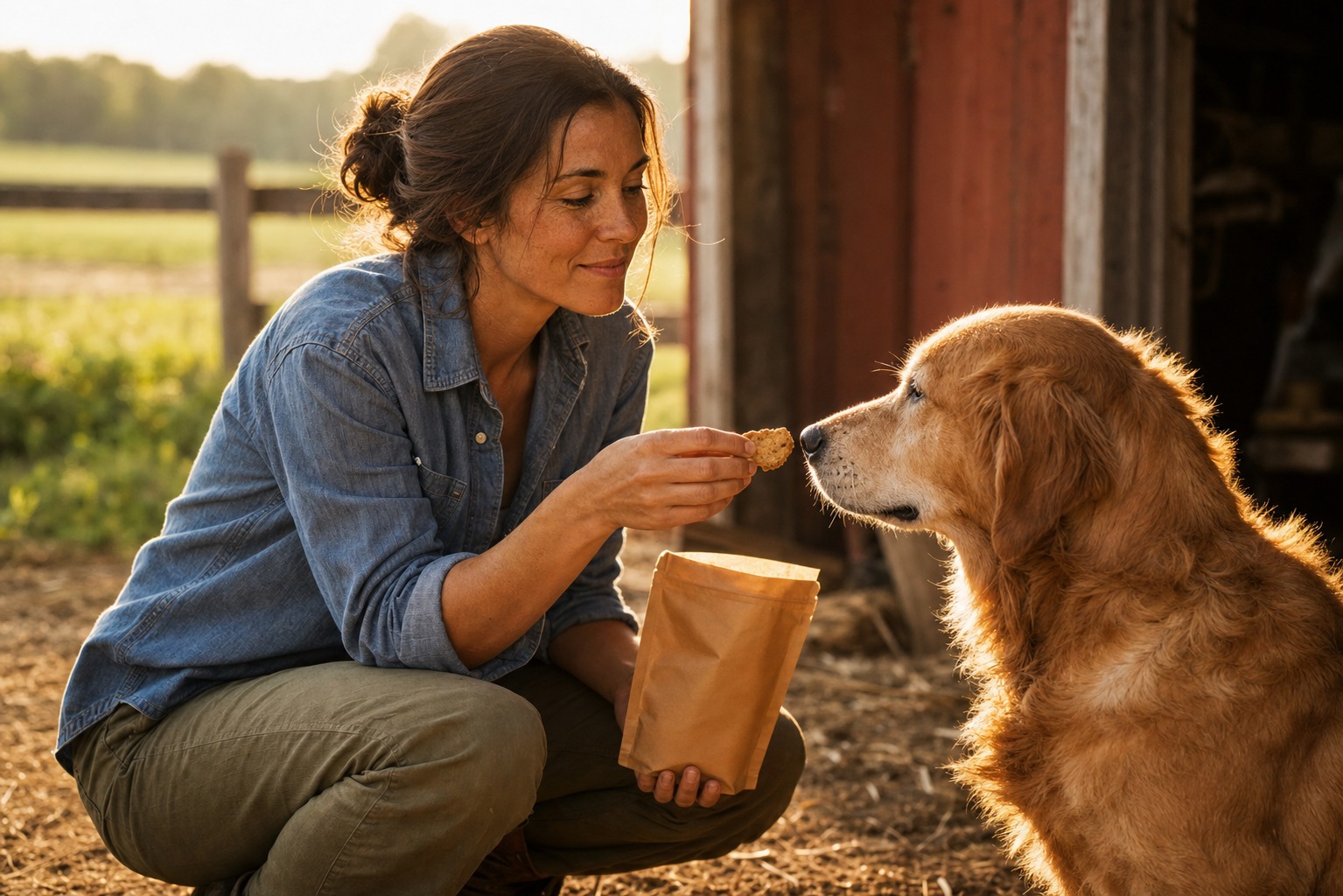
Plenty of pandemic kitchen projects fizzled the moment normal life resumed. Botanical Bones is one of the few that turned into a nationwide business, and the reason traces back to a specific problem Rachel Meyer was trying to solve in mid-2020: a brand-new rescue puppy who could barely make it down the block. The brand that grew out of that, an Asheville, North Carolina, maker of superfood dog treats built on human-grade ingredients, is a useful study in two things small founders rarely talk about openly: how a personal health philosophy becomes a product, and how the U.S. supply chain can fight a values-driven maker every step of the way.
A puppy, a pantry, and a theory about food
Meyer’s rescue puppy, Carnaby, arrived deeply anxious. “We don’t know exactly what happened to him, but we think there was a lot of trauma in the first couple months of his life,” she says. “He was so nervous around people and other dogs we could barely take him for a walk down the street.” Her response came straight from her own life. “I’m a big believer in food as medicine. I’ve struggled with anxiety and insomnia, and superfoods and adaptogens supported me through those things. I had all these powders and ingredients at home, and I thought maybe I could bake something for Carnaby to help with his anxiety too.”
A word on those adaptogens, because it is the part worth being careful about. Adaptogens are plants traditionally used to help the body manage stress, and they are increasingly showing up in pet products. They are best understood as a supplement to a calm, well-managed environment, not a replacement for training, routine, or veterinary care for a genuinely anxious dog. Meyer treats them that way, as one supportive input among many, and any owner adding functional ingredients to an anxious dog’s diet should loop in their vet, especially if the dog is on medication. That framing is what separates a thoughtful functional-treat brand from a brand selling a cure it cannot deliver.
From neighborhood gift to local market to national brand
The business grew the way the best small ones do, by accident and word of mouth. Meyer baked more than Carnaby could eat and started handing treats to neighbors and friends. When other people’s dogs loved them too, she tried a local market. “It was one of those things where all the stars aligned. I honestly wasn’t expecting anyone to buy them, so when people did and kept coming back, I decided to get serious.” Her background in marketing and brand strategy meant she could move fast on packaging, nutrition research, and the website. “It took on a life of its own. I always say our brand was built on community. We learned everything through trial and error, with the help of the people around us.”
The wall nobody warns small makers about: packaging
Here is the part of the story that gets glossed over in most founder profiles, and the most genuinely useful for anyone trying to build a sustainable brand. Meyer wanted packaging that matched her values, and discovered the infrastructure barely exists. “It was honestly really upsetting to see how little there is out there, how behind the U.S. is on compostable packaging, and how inaccessible the more sustainable options are for smaller brands,” she says. The lesson embedded there is one most eco-minded founders learn the hard way: compostable packaging in the U.S. is expensive, limited in supplier options, and often priced for volumes a small brand cannot hit. “I feel like we found the best option for our brand at this point, but I want to keep innovating.” Sustainability, for a maker her size, is less a clean choice than a constant negotiation with what is actually available.
Why the ingredient sourcing costs more on purpose
The same uncompromising streak shows up in where she buys. Botanical Bones gets much of its herbs and adaptogens from Mountain Rose, a well-regarded name in the herbalism world. “It’s definitely more expensive, but that was a no-brainer for me. Quality is of the utmost importance, and especially with superfoods and adaptogens, the quality makes a huge difference in efficacy and nutritional value.” Her quality test is refreshingly low-tech. “You can smell the difference when you open one of our bags. They smell like peanut butter and pumpkin and yummy herbs. I’ve tested herbs from other suppliers and could instantly notice the difference, and dogs have way more powerful noses, so they notice too.”
What’s next, on a vegan-cheese farm
The brand kept outgrowing kitchens, “a good problem to have,” and is moving into its own facility on a North Carolina farm, a shared kitchen with a vegan cheese business. “We’ll be able to explore new blends and new products, so I’m super pumped,” Meyer says, with new launches coming and a small team of three she is looking to grow. The farm, predictably, has become its own community hub. “There’s a food truck, and they hold events. Everything comes back to the support of our local community. I’m so thankful.” For a brand that started with one anxious puppy and a cabinet of powders, the throughline held: build it around what you actually believe, source like it matters, and let the community do the rest.
References
- Botanical Bones. “Our Story.” botanicalbones.com.
- Mountain Rose Herbs. “Quality and Sourcing.” mountainroseherbs.com.
- American Veterinary Medical Association. “Dietary Supplements and Functional Ingredients for Pets.” avma.org.
Not a substitute for your vet. Our guidance is educational. For urgent symptoms, contact a vet or emergency clinic right away. Editorial standards
Leila Torres leads our Living coverage, from home life and travel to the products and rescue stories that come with sharing a life with animals. She edits and writes across the section, with a soft spot for pieces about the bond between people and their pets.
Meet our experts ↗Keep reading
 Product PicksThese Dog Treats Are Made From Juice Scraps and Bugs. Your Dog Will Beg for Them Anyway.Leila Torres · 5 min
 Product PicksThe Great Leash-and-Treat Fumble Has a Fix, and It's Shaped Like a PezSara Lim · 3 min
 FoodYour Dog Can't Have Your Ice Cream. Here Are 5 They Can, and How to Pick One.Sara Lim · 5 min
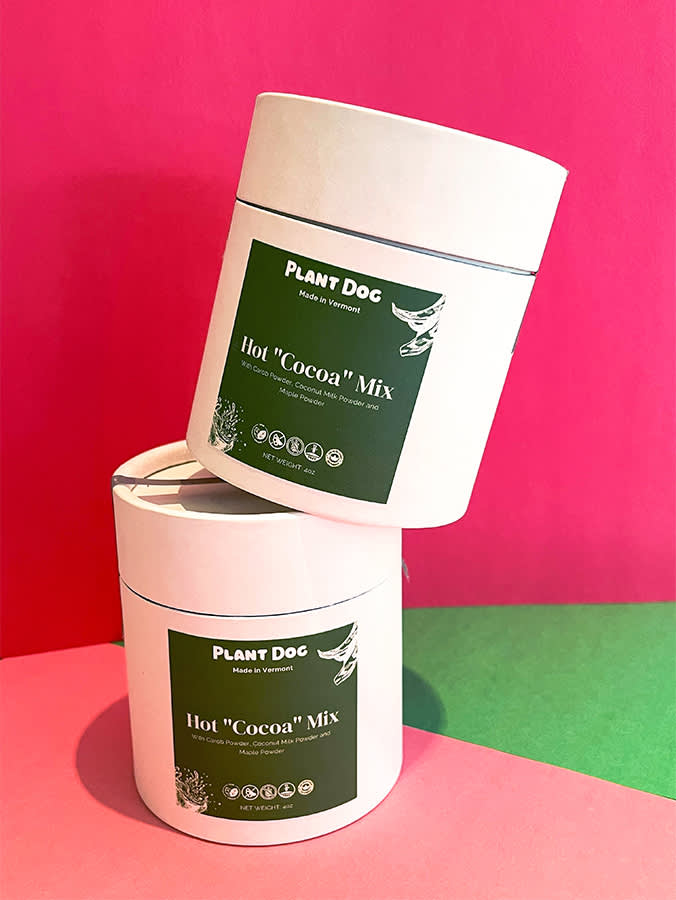 Product PicksHot Chocolate Can Land Your Dog at the ER. This Cozy Swap Won't.Dr. Priya Nair · 3 min
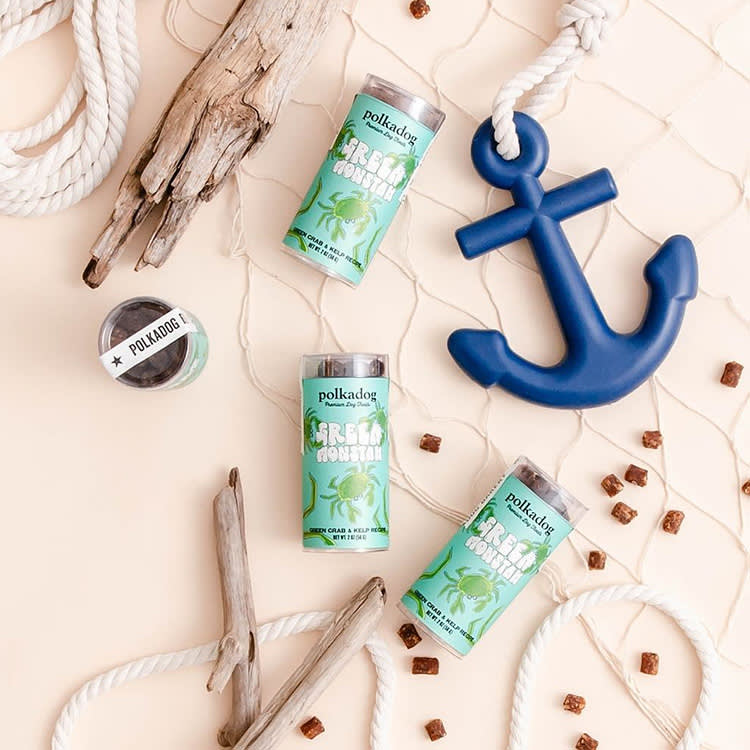 FoodYour Dog's Next Treat Could Help Wipe Out an Invasive Species. That's the Whole Idea.Marcus Webb · 7 min
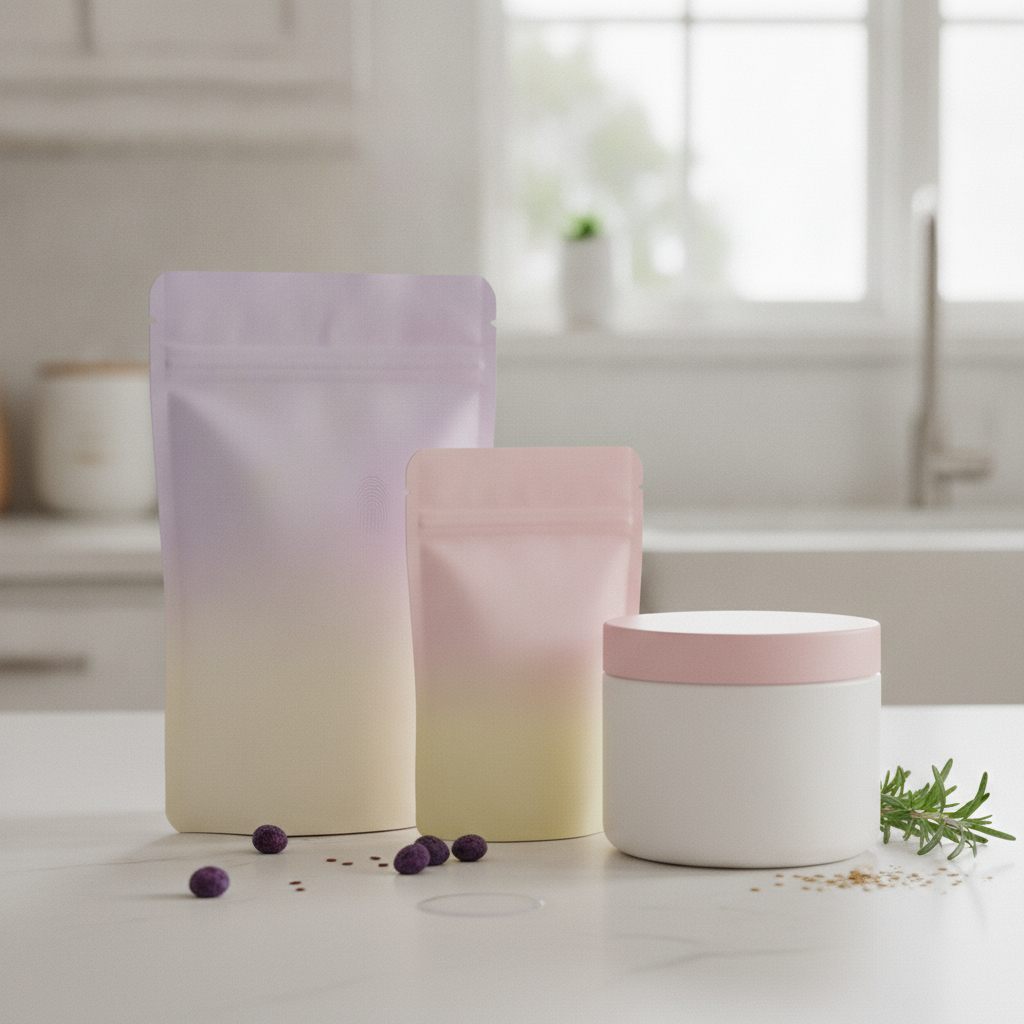 Product PicksBundle x Joy Bet Pretty Packaging Would Make You Use Your Dog's Supplements. It WorkedLeila Torres · 5 min