


Adopting Two Bonded Pets Sounds Like Double the Work. The Math Says Otherwise.
A bonded pair looks like a bigger commitment than one animal, so a lot of adopters scroll past. But two pets who already love each other can be less work than one lonely newcomer, and the shelter math makes it an easy yes.


You went to the shelter for one dog. You found him, fell for the droopy ears and the ridiculous howl, and then read the fine print on his profile: bonded to his brother, must be adopted together. Suddenly the plan is two animals instead of one, and the whole thing feels twice as big.
Here’s the counterintuitive part, and it’s the reason to keep reading instead of closing the tab: a bonded pair is often less work than a single new pet, not more. The instinct to see two animals as double the effort is exactly backward in most of the ways that matter day to day.
What “bonded” actually means
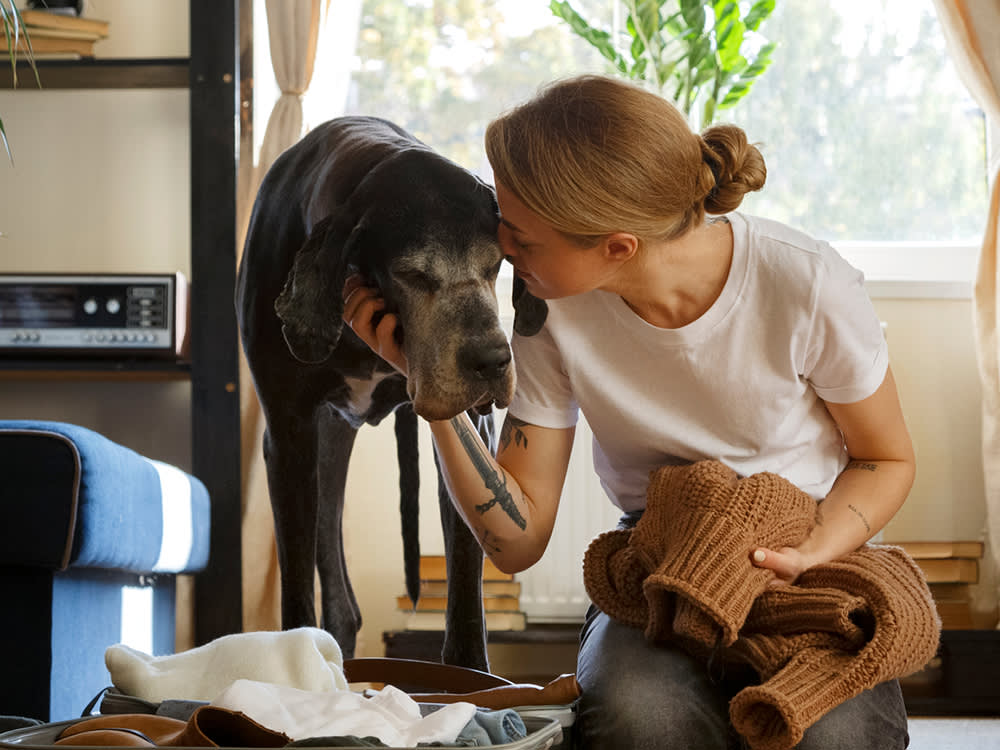
Not every pair of animals who share a home is bonded. Plenty of pets tolerate a housemate, and shelters sometimes decide two surrendered animals are genuinely better off apart. A true bonded pair is different: these are animals with a deep, specific attachment to each other. They nap in a pile, play as a unit, take their meals side by side, and get visibly distressed if one of them seems to be in trouble.
Sometimes they’re littermates who never separated. Sometimes they met in foster care or during a shelter stay and clung to each other through the strangeness of it. And they don’t have to be the same species, a cat and dog who’ve decided they’re family count too.
“When two animals are truly bonded, separating them isn’t a neutral choice, it’s a real stressor,” says Dr. Amara Solis. “I’ve seen pets stop eating, withdraw, or start acting out after losing the companion they’d organized their whole sense of safety around. Keeping them together is often the kindest and the most practical option at once.”
Shelters flag a pair as bonded and hold out for a single home precisely because splitting them tends to backfire, showing up as refusing food, destructive behavior, or other health fallout.
Why the “double work” instinct is wrong
The reason two bonded animals can be easier than one comes down to what they do for each other. They’re built-in company. While you’re at work or asleep, they’re not alone, they have a playmate, a nap buddy, and a source of reassurance. That constant companionship tends to blunt the boredom-driven problems that make a single pet harder: less separation anxiety, less nuisance barking, less chewing of things you’d rather keep intact.
Bonded animals also tend to be more self-sufficient and more settled. The self-assurance a steady companion provides tends to produce pets who are relaxed and affectionate rather than clingy and anxious.
And the logistics scale better than you’d think. Two animals on one feeding and walking schedule, pooling their gear, a shared bed, the same toys, one row of bowls, aren’t twice the daily labor of a single pet. Much of pet care is a routine you’re already running; a second animal mostly slots into it.
The honest costs
This isn’t a claim that two pets cost the same as one, because some things really do double. You’ll buy more food, pay for two sets of monthly preventives, cover two animals at vet visits, book twice the grooming, and pay extra when you board them or hire a walker. Those are real numbers, and they belong in your decision.
What you get in return is also doubled: the companionship, the entertainment, and the specific joy of watching two animals who adore each other get to stay together. If you already know you want a multi-pet household, adopting a bonded pair gets you there in one step, with the bonus that you already know they get along, which is the hardest part of adding a second animal the usual way. If you have a pet at home, they gain two potential friends, and if the newcomers get to be too much, the pair can entertain each other and give your resident pet a breather.
What newer shelter data adds
Rescue organizations have gotten clearer about the stakes of splitting pairs up. When shelters do separate a bonded pair and adopt out just one, the animal left behind tends to sit in the shelter longer than average, partly because most adopters arrive looking for a single pet and scroll past the twosomes. That’s the quiet cost of the “double work” myth: it strands the very animals who most need to stay together.
There’s a bright side to the same math. Adopting a bonded pair frees up not one but two spaces at the shelter, which means the organization can help two more animals in need. So the choice that feels like the bigger ask is often the higher-impact one.
None of this means every household should take on two pets. But if you meet a bonded pair and the budget works, don’t let the number “two” scare you off. You may be signing up for less trouble, not more, and a whole lot more heart.
References
- Hill’s Pet Nutrition. “Bonded Pair Pets: Should You Adopt Both?” hillspet.com
- ASPCA. “Adopting Shelter Pets.” aspca.org
- Adopt a Pet. “Adopting a Bonded Pair of Dogs: Pros and Cons to Consider.” adoptapet.com
Leila Torres leads our Living coverage, from home life and travel to the products and rescue stories that come with sharing a life with animals. She edits and writes across the section, with a soft spot for pieces about the bond between people and their pets.
Meet our experts ↗Keep reading
 LivingHe Flies Infrared Drones Into Disaster Zones to Find the Animals Left BehindJames Okafor · 7 min
 LivingRehoming Isn't Surrender. Done Right, It's an Adoption You Run Yourself.Leila Torres · 7 min
 LivingAdoption Checklists Ask If You Want a Pet. That's the Wrong Question.Leila Torres · 9 min
 LivingEveryone Blames Gen Z for the Breeder Boom. The Numbers Say the Opposite.Nina Vasquez · 6 min
 LivingBroke, Busy, and Fostering Pets: How 3 College Students Pull It OffSara Lim · 9 min
 LivingThe 'Street Vet' Was Named CNN's Hero of the Year, Then Gave the Prize AwayMarcus Webb · 4 min