


Sorted by Evidence: A Vet's Guide to Supplements and Calming Products That Work
The pet-wellness aisle mixes products with real clinical backing and products selling pure vibes, at the same price. A vet sorts the supplements and calming aids by how much proof stands behind them, so you spend where it counts.

Affiliate disclosure. This article contains affiliate links. We may earn a small commission if you buy through a link, at no extra cost to you. How we handle recommendations.
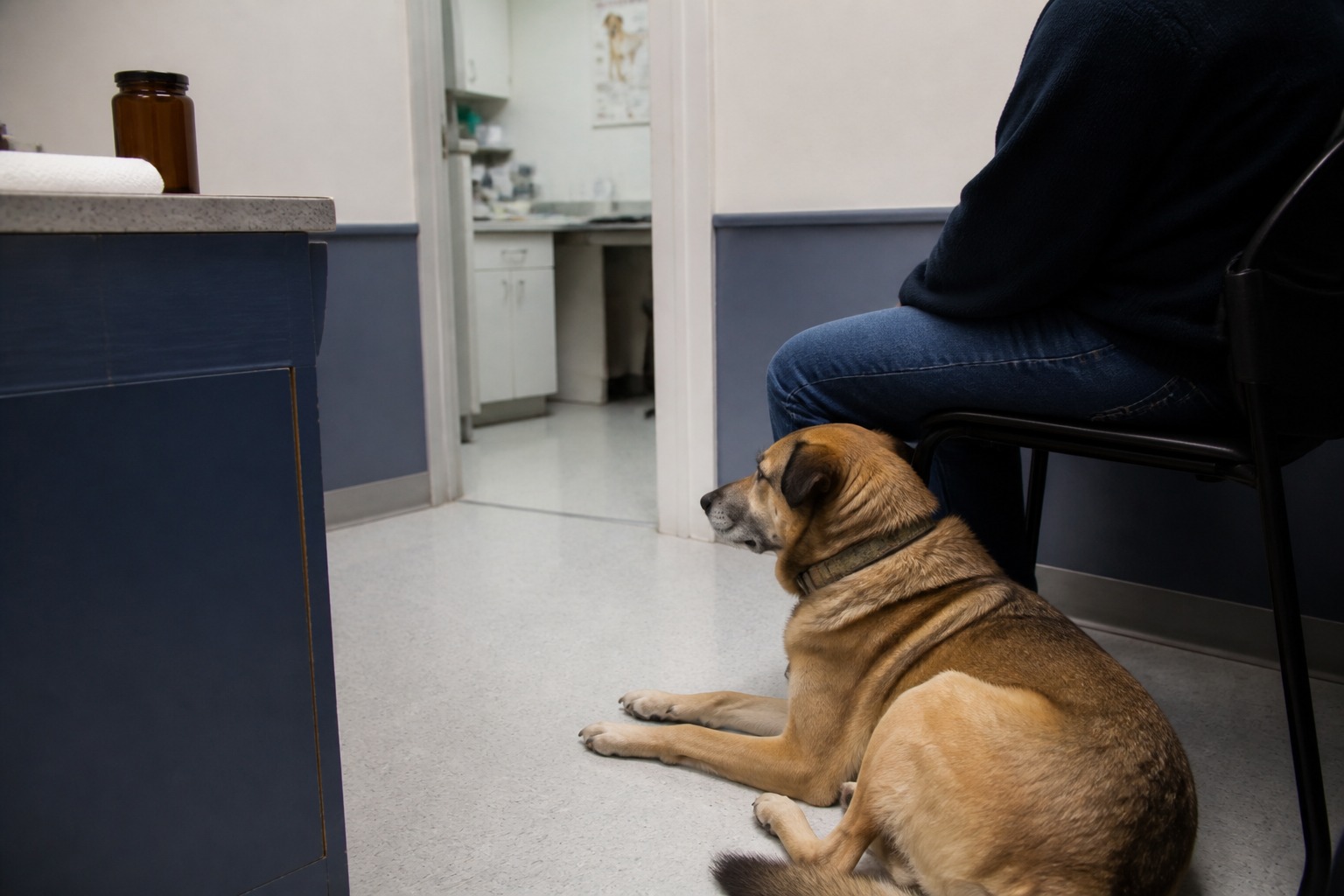
The pet-wellness aisle has a problem the price tags hide: a product backed by a placebo-controlled clinical trial and a product backed by nothing but a nice story often cost the same and sit on the same shelf. Supplements are regulated more loosely than medicines, so a company usually has to show its product is safe and made well, but not that it does anything. That is why the most useful way to shop is not by what is trendy or what an influencer swears by, but by how much real evidence stands behind each category.
So that is how this guide is built. Strong evidence first, the things worth your money. Then the reasonable-but-situational picks. Then the comfort items that mostly work by helping you feel proactive, which is fine, as long as you know that is what you are buying. One rule before any of it: a supplement is not a substitute for a vet visit, and anything aimed at a real medical problem, anxiety included, should be run past your vet first.
Strong evidence: spend here first
These categories have meaningful research behind them. They are where your supplement budget does the most.

Omega-3 fish oil
Omega-3 fatty acids (EPA and DHA) are among the best-studied supplements in veterinary medicine, with documented anti-inflammatory effects useful in arthritis, certain skin and allergy conditions, kidney disease, and cognitive support in seniors. “Omega-3s genuinely act as anti-inflammatory agents across a wide range of cases, from itchy skin to arthritic joints,” says Dr. Mara Chen, a Pet Times veterinary contributor. A sustainably sourced product like Fera Pet Organics Fish Oil, made from wild-caught Icelandic sardines, anchovies, herring, and mackerel, delivers a high EPA and DHA concentration. Dose by your pet’s weight and your vet’s guidance, since too much can cause loose stool.
glucosamine, chondroitin, and green-lipped mussel
For aging or arthritic dogs, joint supplements have a real and growing evidence base. A 2024 placebo-controlled trial in Frontiers in Veterinary Science found a green-lipped mussel plus krill oil extract improved osteoarthritis-associated pain in dogs, and reviews note that GLM products often show measurable mobility gains after about four to six weeks. “As joints age, cartilage breaks down and the body answers with inflammation,” explains Dr. Ravi Mehta, a Pet Times veterinary contributor. “We have decent evidence that the right joint support can ease pain and help dogs move better, though it works best alongside weight control and vet-guided care, not instead of it.” Super Snouts Joint Power uses cold-extracted green-lipped mussel as its anti-inflammatory backbone.
Probiotics for gut health
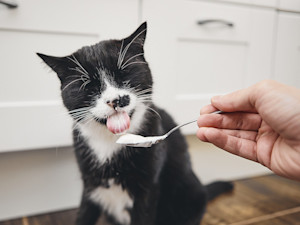
Probiotics have solid support for managing digestive upset, supporting the gut microbiome, and reinforcing immune defenses that largely live in the gut. The Honest Kitchen’s human-grade dehydrated goat’s-milk probiotic is an easy, palatable way to add one to any meal. kin+kind’s high-fiber digestive supplement, built on pumpkin, flax, and coconut, leans on prebiotic fiber for pets with sensitive stomachs. “A good probiotic helps keep the gut’s microbial community on an even keel, and the smartest time to start one is before a disruption you can see coming, a trip, a food switch, a stressful stretch,” notes Dr. Mara Chen.
CBD for situational stress
The evidence for CBD has moved from hype to data. A 2023 randomized, placebo-controlled study from the Waltham Petcare Science Institute, published in Frontiers in Veterinary Science, found that a single 4 mg/kg dose of THC-free, broad-spectrum CBD measurably lowered stress in dogs facing car travel and separation, with lower cortisol, calmer behavior, and a more relaxed emotional state. A follow-up found daily dosing held the effect over time. Honest Paws Calm Soft Chews pair 40 mg of full-spectrum hemp oil with L-theanine. Super Snouts also makes well-regarded hemp-derived tinctures and chews, formulated with input from a veterinary CBD authority. Talk to your vet about dosing and timing, especially if your pet is on other medications.
Reasonable, but situational
These have a real rationale and often help, but the effect is gentler or depends heavily on the individual pet. Worth trying; do not expect miracles.
Pheromone diffusers and sprays
Synthetic pheromones mimic the calming chemical signals animals produce naturally, Feliway for cats and Adaptil for dogs (Adaptil copies the pheromone a nursing mother dog releases). “These are a genuinely useful, low-risk tool inside a broader behavior plan,” says Dr. Nina Kohl, a Pet Times feline behavior contributor. “Put a Feliway diffuser near the litter box during a move, or spray Adaptil in a travel crate before a trip. They are support, not a cure for serious anxiety.” Best used proactively, before the fireworks, not after.
Calming treats and supplements
Vetriscience Composure chews for cats use L-theanine, thiamine, and colostrum, and typically take effect within 20 to 30 minutes, lasting a few hours, handy for a vet visit or houseguests. They are best for mild, predictable stress. “For a cat or dog who spirals into real panic, a calming treat is not enough. That is a conversation about a behavior plan and sometimes prescription medication,” cautions Dr. Nina Kohl.
Skin, coat, and multivitamin formulas
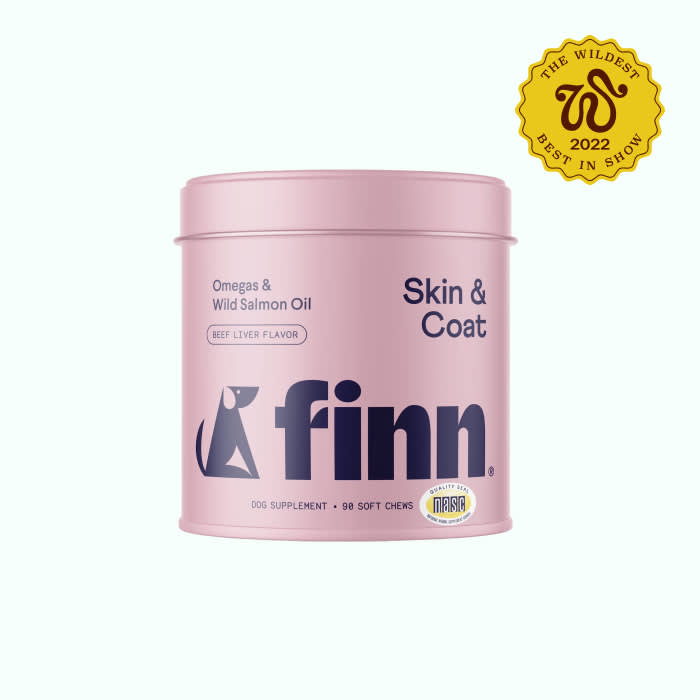
A skin-and-coat supplement like Natural Dog Company’s (fish and salmon oil, vitamins E and A) overlaps heavily with a good omega-3, so you usually do not need both. A broad multivitamin such as Dog is Human’s soft chews can fill gaps, but a pet already eating a complete, balanced commercial diet generally does not need one, ask your vet before stacking supplements, since fat-soluble vitamins can build up.
Immune and “functional mushroom” blends
Medicinal-mushroom blends like Super Snouts Super Shrooms are an area of active research with promising but still early evidence. Reasonable to try for general wellness; not a treatment for illness.
Comfort items: real for some pets, placebo for others
These can genuinely soothe an individual animal, often through pressure, warmth, or routine, but the mechanism is gentle and the response varies a lot.
Compression wraps
The Thundershirt applies gentle, constant pressure, like a steady hug, that calms a meaningful share of anxious dogs, especially during thunderstorms or fireworks. “Many dogs settle with snug, even pressure, similar to swaddling,” says Pet Times trainer Jordan Ellis. “It is a useful piece of a desensitization plan, not a standalone fix.” Pair it with training for separation anxiety rather than relying on it alone.
Heartbeat and warmth toys
The Snuggle Puppy uses low heat and a pulsing heartbeat to mimic a littermate, and it genuinely helps many puppies through crate training and the first nights home. “Separation distress is real emotional distress, not spite,” says behaviorist Jordan Ellis. “A heartbeat toy can take the edge off a young puppy’s loneliness, but a dog in true separation panic needs a behavior plan.”
Flower-essence drops
Rescue Remedy and similar flower-essence products are popular and harmless, and some owners are convinced they help. The evidence is essentially anecdotal, so treat the calm you observe as a welcome bonus rather than a reliable effect, and never let it replace real treatment for a frightened animal.
A note on “energy” products: you will also see calming gear sold on the basis of healing crystals or vibrational energy. There is no scientific evidence that crystals affect an animal’s stress, so buy that good-vibrations harness for the design and the vegan materials if you like them, not as a calming tool, and put your anxiety budget into the evidence-backed options above.
Parasite prevention belongs with your vet, not the supplement aisle
One category that should never be a guess: heartworm, flea, and tick prevention. These are prescription or vet-directed medicines, not wellness supplements, and the “natural” sprays sold alongside them do not replace them. Plant-based repellents like a lemongrass-and-peppermint spray can be a modest add-on before a hike, but for actual disease prevention, products such as Simparica Trio for dogs (heartworm, fleas, ticks, plus roundworms and hookworms; approved from eight weeks and 2.8 pounds) and Revolution Plus for cats are the standard, and both require a vet’s prescription. Buy them through your vet or a legitimate pharmacy, and apply topicals where your pet cannot lick them, high on the back of the neck.
If your dog’s paws take a beating from winter road salt, protective booties like the RIFRUF Caesar 1 are a sensible, evidence-light comfort buy, and a stocked pet first-aid kit such as Adventure Medical’s is worth keeping on hand for emergencies far from a clinic. As one Amazon reviewer put it after years of storm anxiety, a calming routine made their dog “more subdued and happy to lay in his bed,” a reminder that the right tool, matched to the real problem, is what helps. (Example calming product on Amazon.)
The honest bottom line
Put your money where the evidence is: omega-3s, joint support, probiotics, and CBD for situational stress have real research behind them. Treat pheromones and calming treats as useful situational support. Enjoy the comfort items for what they are. And keep parasite prevention and any serious anxiety where they belong, with your veterinarian. The aisle is not lying to you, exactly, it is just not telling you which products earned their shelf space. Now you know how to sort them.
References
- Corsato Alvarenga, I., et al. “A Single Dose of Cannabidiol (CBD) Positively Influences Measures of Stress in Dogs During Separation and Car Travel.” Frontiers in Veterinary Science, 2023.
- Barbeau-Grégoire, M., et al. “Comparative Efficacy of Green-Lipped Mussel Extracts, Biota Orientalis, or NSAIDs for Osteoarthritis-Associated Pain in Dogs.” Frontiers in Veterinary Science, 2024.
- Bauer, John E. “Therapeutic Use of Fish Oils in Companion Animals.” Journal of the American Veterinary Medical Association, 2011.
- American Animal Hospital Association. “Heartworm, Flea, and Tick Prevention Guidelines.” aaha.org.
- U.S. Food and Drug Administration. “Selecting and Using a Flea and Tick Product for Your Pet.” fda.gov.
Not a substitute for your vet. Our guidance is educational. For urgent symptoms, contact a vet or emergency clinic right away. Editorial standards
Dr. Nair is a veterinarian focused on diet and feeding. She covers everyday nutrition, treats, and the many "can they eat this?" questions owners ask, grounding each answer in what is actually safe and sensible for dogs and cats.
Meet our experts ↗Keep reading
 Product PicksThis Founder Thinks Your Dog Wants a Routine as Badly as You DoSasha Ford · 5 min
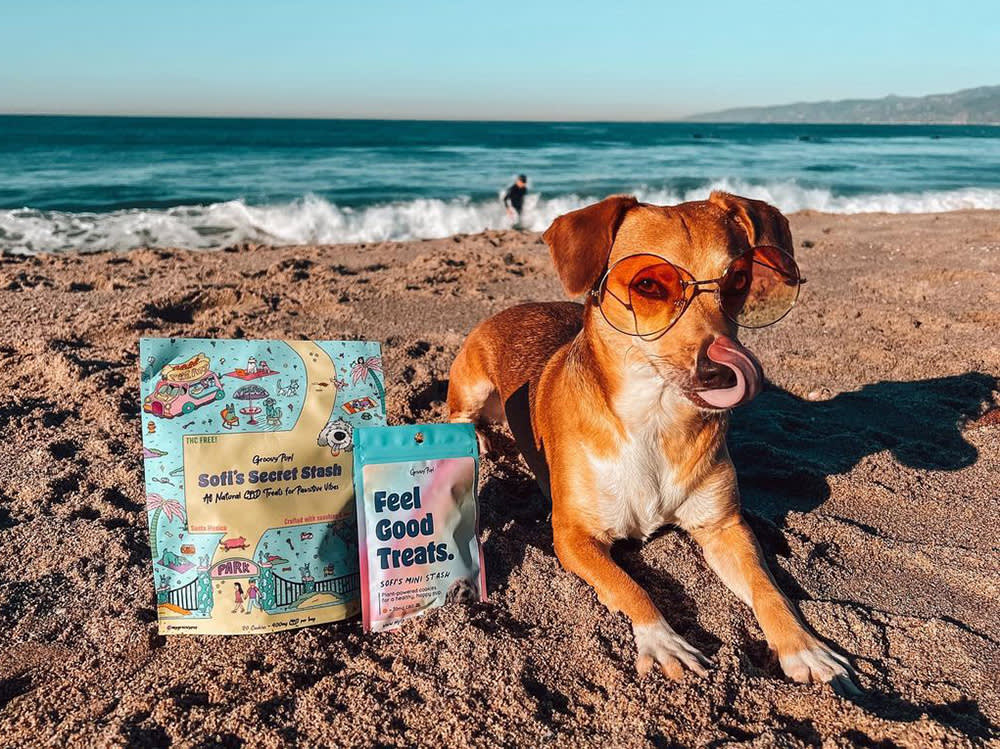 Product PicksThe Branding Is Pure '70s. The Real Question Is Whether CBD Treats Do Anything.Dr. Ravi Mehta · 6 min
 Health & WellnessOne in Three Dogs Has 'Too Much' E. Coli. The Number Isn't the Scary Part.Dr. Ravi Mehta · 7 min
 Health & WellnessCBD Is King in the Pet Aisle. The Crown Is Unregulated.Dr. Priya Nair · 8 min
 Health & WellnessYour Pet's Gut Is an Organ. You're Probably Damaging It by AccidentDr. Priya Nair · 7 min
 Health & Wellness8 Natural Allergy Buys Worth a Spot in Your Cabinet (and the Popular One to Skip)Dr. Priya Nair · 8 min