


Your Pet's Gut Is an Organ. You're Probably Damaging It by Accident
The pet microbiome shapes digestion, immunity, and even behavior, and the fastest way to wreck it is an unnecessary antibiotic. Here's what disrupts your pet's gut and how to rebuild it.

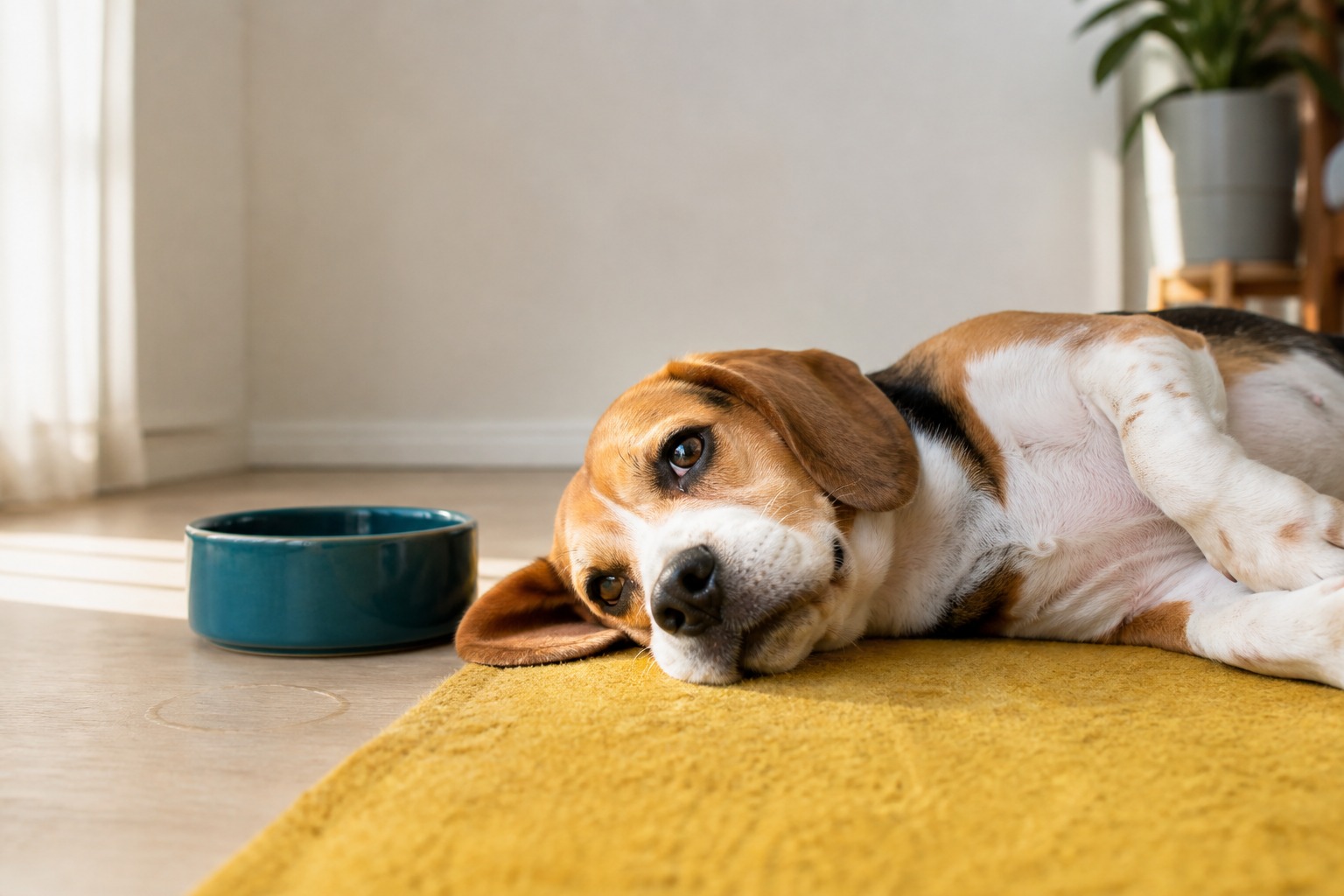
Most people think of their pet’s gut as a tube that turns food into poop. It is doing far more than that. The community of microbes living in your dog’s or cat’s digestive tract behaves like an organ in its own right, one that helps run their immune system, regulates inflammation, and even sends signals up to the brain that can shape mood and behavior. And here is the part worth sitting with: it is an organ you can damage by accident, usually with the best of intentions, often with a bottle of antibiotics.
That is the through-line of this piece. The microbiome is not something exotic you need to optimize with expensive supplements. It is something you mostly need to avoid wrecking, and then give a chance to rebuild. Once you see which everyday decisions disrupt it and which ones support it, gut health stops feeling mysterious and starts feeling like something you actually control.
What is actually living in there
Inside every digestive tract is a teeming ecosystem of trillions of microorganisms, including bacteria, viruses, and fungi, breaking down food and producing nutrients the body could not make on its own. The numbers are genuinely hard to picture.
Any one of us has more organisms living in our GI tract than there are people on the face of the earth. We used to assume those bacteria were just passengers. We now know they’re doing real work, keeping the immune system calibrated and the gut wall healthy.
Part of that work is chemical messaging. Gut microbes manufacture neurotransmitters including serotonin, dopamine, and GABA, the same molecules that regulate mood and cognition in people. That is the biological basis of the “gut feeling”: a real communication line running between the digestive tract and the brain. Your pet runs the same system every day. Scientists have not mapped its full reach yet, but they have firmly linked it to GI function, nutrient absorption, immune status, body condition, and a range of hormonal responses.
When the ecosystem tips over: dysbiosis
A healthy microbiome works like an old-growth forest or a coral reef, a balanced web of organisms holding each other in check. Knock that balance off and you get dysbiosis: beneficial bacteria decline, opportunistic ones move in, and the whole system stops doing its job well.
The triggers are mostly ordinary. “Antibiotics are the big one, but so are GI infections, sudden diet changes, anesthesia, stress, and periods without enough food,” Dr. Nair says. “And recovery isn’t instant. The microbiome can take weeks to find its footing again after a real upset.”
The consequences reach well past the gut. Research has connected microbiome disruption to allergies, inflammatory bowel disease, obesity, diabetes, and kidney disease. The near-term signs are easier to spot at home: weight loss, bloating, gas, a drop in appetite, and changes in stool consistency, especially diarrhea. Some research in other species suggests an abnormal microbiome may also feed into non-GI problems like obesity, mood disorders, and type 2 diabetes, which is exactly why the gut-behavior link is being taken seriously.
The most avoidable damage: antibiotics you didn’t need
If there is one lever every owner controls, it is this one. Antibiotics are sometimes life-saving and genuinely necessary. The problem is using them when they are not.
“The public still treats antibiotics like the miracle they were a century ago, not as something we overprescribe now,” says Dr. Ravi Mehta. “Every unnecessary course takes out good bacteria along with the bad, and the gut pays for it. When your vet does prescribe them, take the full course exactly as directed, but it is completely fair to ask whether they’re truly needed first.”
That single conversation, asking your vet whether an antibiotic is essential or just convenient, may be the most protective thing you can do for your pet’s gut over their lifetime.
How to rebuild and protect the gut
Beyond skipping the antibiotics your pet does not need, four habits do the most good.
Feed a consistent, high-quality diet. What lives in the gut is shaped directly by what goes into it. Steady, quality food supports a stable microbial community, and avoiding pathogens matters: certain raw diets carry a real risk of introducing bacteria like Salmonella, so weigh that carefully and talk to your vet before going raw.
Be selective about probiotics. Probiotics are live microorganisms that can support gut balance, ease digestion, shorten diarrhea, and lower inflammation. But the market is crowded with poorly studied products, and, as we will see below, the newest research suggests they do less in already-healthy pets than the marketing implies. Use them for a reason, not by default, and ask your vet which strain and product actually has evidence behind it.
Let your pet get a little dirty. This one runs against instinct. Exposure to everyday environmental microbes, the dirt, germs, and grit of normal life, helps train the immune system to tell friend from foe. Too little exposure, especially when young, tends to produce an immune system that overreacts, which shows up as allergies and autoimmune problems. A pet kept in a sterile bubble is not a healthier pet.
Mind the stress. Because the gut and brain talk both directions, chronic stress disrupts the microbiome just as a bad diet does. Predictable routines, enrichment, and a calm home are not just nice-to-haves; they are gut-health interventions.
What newer research adds
The science here is moving fast, and two developments are worth knowing. The first is a dose of honesty about probiotics: recent studies have found that in healthy dogs, two weeks of a commercial probiotic often did not measurably change overall gut diversity. The takeaway is not that probiotics are useless, but that their real value shows up in specific situations, like recovering from a bout of diarrhea, rather than as a daily supplement for a pet whose gut is already fine.
The second is the rise of fecal microbiota transplantation, or FMT, in veterinary medicine. It sounds startling, but the idea is simple: transfer gut microbes from a healthy donor animal into a pet whose microbiome is badly disrupted, now sometimes delivered in oral capsule form rather than the older methods. Studies in dogs with chronic gut disease have found FMT easy to administer and helpful in restoring balance, and vets are increasingly folding it into a broader toolkit alongside diet, prebiotics, probiotics, and newer “postbiotics” (the beneficial compounds bacteria produce). None of this is a reason to chase exotic treatments for a healthy pet. It is a reason to take a disrupted gut seriously, because the tools to repair one are getting better every year.
A gut full of diverse, thriving microbes is one of the most powerful health assets your pet has. The good news is that protecting it is mostly about restraint: skip the antibiotics they do not need, feed them well, let them live a normal slightly grubby life, and keep their world calm.
References
- Ziese AL, Suchodolski JS, et al., “Gut microbiome – the key to our pets’ health and happiness?” — overview of the companion-animal microbiome and health links.
- Journal of the American Veterinary Medical Association, “The heroes within: the gut microbiome, microbiome therapeutics, and fecal microbiota transplant in companion animals” (2025).
- Frontiers in Veterinary Science, “Impact of fecal microbiota transplantation in dogs” (2025).
- Texas A&M Gastrointestinal Laboratory, “Probiotics for Dogs and Cats.”
Common questions
Should I give my dog or cat a probiotic?
Maybe, but talk to your vet first. The pet probiotic market is full of poorly researched products, and studies in healthy animals have found probiotics often do not measurably change gut diversity. They show the most benefit in specific situations, such as shortening a bout of diarrhea, rather than as a daily supplement for an already-healthy pet.
What's the single most common thing that disrupts a pet's gut?
Unnecessary antibiotics. Even a short course wipes out beneficial bacteria along with the harmful ones, and the microbiome can take a long time to recover. Antibiotics are sometimes essential, but using them when they are not needed is the most avoidable cause of gut disruption in pets.
Not a substitute for your vet. Our guidance is educational. For urgent symptoms, contact a vet or emergency clinic right away. Editorial standards
Dr. Nair is a veterinarian focused on diet and feeding. She covers everyday nutrition, treats, and the many "can they eat this?" questions owners ask, grounding each answer in what is actually safe and sensible for dogs and cats.
Meet our experts ↗Keep reading
 Health & WellnessMost Dog "Longevity" Supplements Are Guesswork. 9 That Aren't.Dr. Priya Nair · 11 min
 FoodMost Dog Supplements Are Marketing. A Few Have Real Evidence.Dr. Ravi Mehta · 7 min
 Product PicksHolistic Pet Products: What's Actually Worth It, and What's Just WooDr. Ravi Mehta · 7 min
 FoodFiber for Dogs Isn't One Thing. That's Why It Backfires.Dr. Priya Nair · 7 min
 Health & WellnessThe Joint Supplement in Every Pet Aisle May Do Nothing. The Science Is Brutal.Dr. Ravi Mehta · 6 min
 FoodCamelina Oil for Dogs: A Real Coat Booster That Can't Replace Fish OilDr. Mara Chen · 5 min