


Camelina Oil for Dogs: A Real Coat Booster That Can't Replace Fish Oil
Camelina oil is having a moment as a plant-based omega supplement for dogs. It earns the shinier coat, but the omega it delivers isn't the kind that does the heavy therapeutic lifting. Here's how to use it for what it's actually good at.

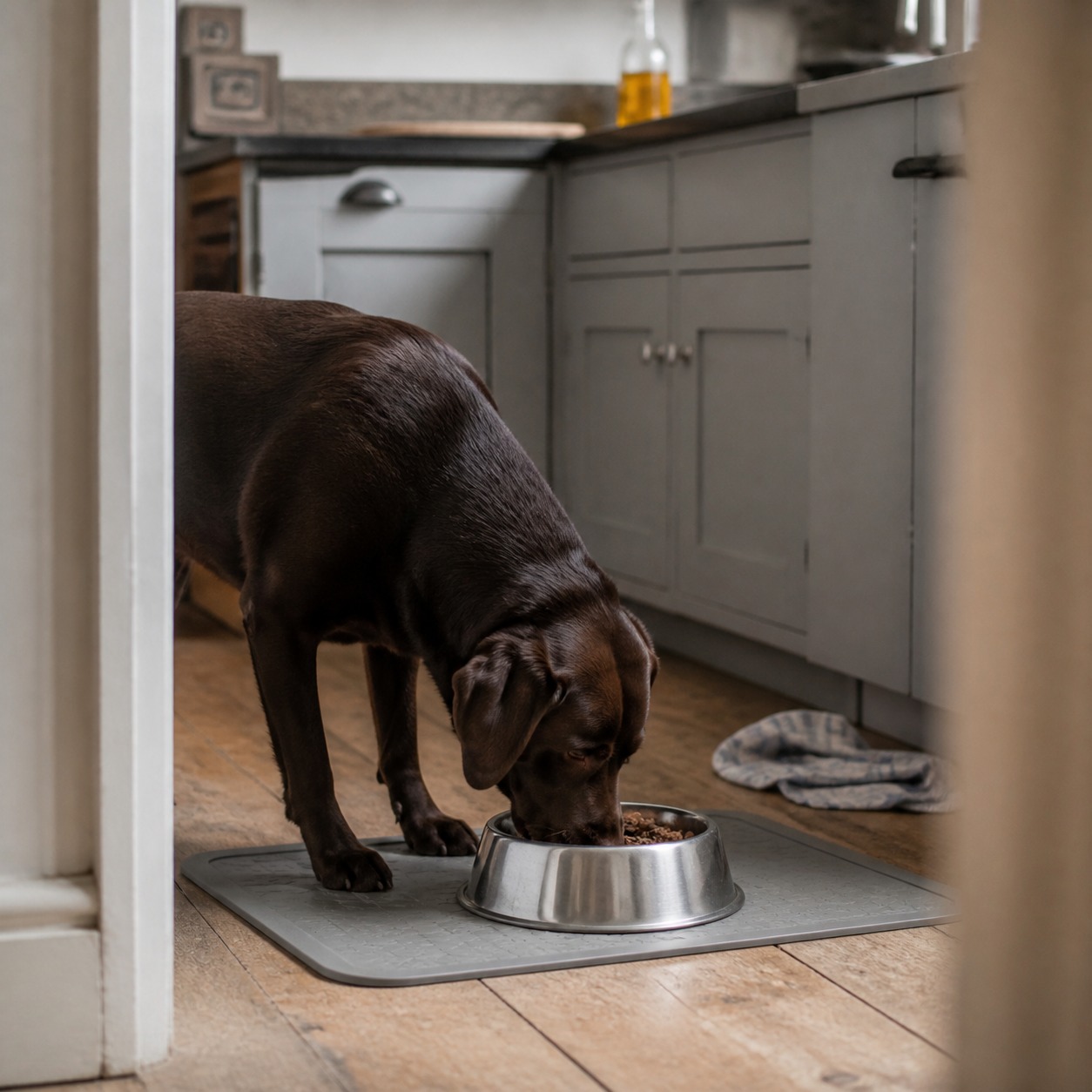
Camelina oil has been quietly migrating from the skincare aisle to the pet-supplement shelf, sold as a plant-based way to give your dog a glossier coat and calmer skin. The shine is real. But there is a catch the marketing tends to skip, and it is the single most useful thing to understand before you buy: not all omega-3s are the same, and the kind camelina oil delivers is not the kind that does the heavy medical lifting. Camelina is a genuinely good supplement for the right job. The trick is knowing which job you are hiring it for.
The distinction that changes how you use it
Omega-3 fatty acids come in different forms, and dogs use them very differently.
Camelina oil is rich in ALA (alpha-linolenic acid), the plant form of omega-3. Fish oils from cold-water fish like sardines, anchovies, and mackerel deliver EPA and DHA, the marine forms. The difference matters because EPA and DHA are the ones that drive the well-documented therapeutic effects, calming the inflammation behind allergies and arthritis, supporting heart and cognitive health. ALA is useful, but a dog’s body must convert it into EPA and DHA to get those benefits, and that conversion is inefficient. Most of the ALA never makes the jump.
Camelina oil is a lovely coat-and-skin supplement, and I have no problem recommending it for that. What I caution clients against is swapping it in for fish oil when we’re actually trying to manage a dog’s arthritis or itchy allergic skin. For those, you want the EPA and DHA directly, not a plant precursor your dog mostly can’t use.
This is not a knock on camelina. It is a clarification of scope: think of camelina as a maintenance and cosmetic supplement, and a cold-water marine oil as the therapeutic one. The smartest approach for many dogs is to rotate the two rather than treat them as interchangeable.
What camelina actually delivers
For everyday coat and skin support, camelina has real strengths:
- A shinier coat and less shedding. The omega-rich profile supports the skin barrier, which is what you see as gloss and reduced flyaway hair.
- Help with dry, flaky skin and hot spots. Better skin-barrier health means fewer of the dry, irritated patches that flare into hot spots.
- A built-in stability advantage. Camelina is high in two forms of vitamin E (alpha and gamma tocopherol), natural antioxidants that protect the oil from going rancid. That gives it a notably long shelf life (around 18 months) and a high smoke point (up to about 475°F, versus roughly 350°F for olive or coconut oil), which matters more for the human kitchen but speaks to how stable the oil is.
It has a mild, nutty, almost almond-like taste most dogs accept without fuss. For perspective, a teaspoon carries about 130 calories and 4 grams of omega-3s, worth keeping in mind so a “healthy” drizzle does not quietly become a weight problem.
A simple how-to-use framework
Because camelina is calorie-dense and food, not magic, a little structure helps:
- Match the oil to the goal. Coat, shine, mild dry skin: camelina is a fine choice. Arthritis, allergic skin disease, or any condition where you want anti-inflammatory punch: prioritize a fish or other marine oil for the EPA/DHA, and use camelina as a rotation partner if you like.
- Mind the calories. Add the supplement’s calories into your dog’s daily total and trim elsewhere, especially for smaller dogs, so a coat-care habit does not become a waistline issue.
- Skip the pet-branded premium. Pure camelina-oil products marketed for pets are essentially the same oil sold for humans, often at a higher price. A quality human-grade camelina oil is fine to share with your dog.
- Loop in your vet for any dog on medication or with a health condition. Omega supplements can interact with how the body handles inflammation and clotting, so confirm the plan and the dose for dogs who are on other treatments.
The bonus reason to like it: the planet
Camelina has an environmental story that fish oil cannot match, and it is part of why researchers are so interested in it. The world’s appetite for fish oil has, in the words of one paper in Scientific Reports, “placed considerable pressure on the wild ‘reduction’ fisheries from which much of these fish oils are harvested.” Camelina (Camelina sativa, also charmingly called “gold-of-pleasure”) grows on marginal land with little to no irrigation or fertilizer, and is being explored as both a sustainable omega source and a future biofuel. So for owners weighing the ecological cost of marine oils, camelina is a meaningfully greener way to cover the coat-and-skin side of a dog’s omega needs.
The bottom line
Camelina oil deserves its spot on the shelf, just not the spot the hype implies. It is an excellent, stable, eco-friendly supplement for coat shine and skin health, powered by the plant omega ALA. It is not a stand-in for fish oil when you need the therapeutic muscle of EPA and DHA, because dogs convert ALA poorly. Use camelina for what it is good at, reach for a marine oil when you need the medical version, consider rotating the two, and keep an eye on the calories. Hired for the right job, it is one of the easier upgrades you can make to a dog’s coat.
References
- WSAVA Global Nutrition Toolkit: Fatty Acids and Supplements
- Bauer, John E. “Therapeutic use of fish oils in companion animals.” Journal of the American Veterinary Medical Association, vol. 239, no. 11 (2011): 1441-1451.
- Betancor, M.B., et al. “A nutritionally-enhanced oil from transgenic Camelina sativa effectively replaces fish oil.” Scientific Reports, vol. 5 (2015).
- Tufts Clinical Nutrition Service: Omega-3 Fatty Acids for Pets
Not a substitute for your vet. Our guidance is educational. For urgent symptoms, contact a vet or emergency clinic right away. Editorial standards
Dr. Chen is a small-animal veterinarian who leads health and safety coverage at The Pet Times. She writes and reviews the bulk of our illness, condition, and safety content, translating clinical guidance into clear, practical advice owners can act on at home.
Meet our experts ↗Keep reading
 FoodCranberry Pills Won't Cure Your Dog's UTI. Here's What They Might DoDr. Priya Nair · 6 min
 Health & WellnessThe Joint Supplement in Every Pet Aisle May Do Nothing. The Science Is Brutal.Dr. Ravi Mehta · 6 min
 Health & WellnessMost Dog "Longevity" Supplements Are Guesswork. 9 That Aren't.Dr. Priya Nair · 11 min
 FoodNobody Checked That Calming Chew Before It Hit the ShelfDr. Priya Nair · 7 min
 FoodMost Dog Supplements Are Marketing. A Few Have Real Evidence.Dr. Ravi Mehta · 7 min
 Health & Wellness8 Natural Allergy Buys Worth a Spot in Your Cabinet (and the Popular One to Skip)Dr. Priya Nair · 8 min