


Smart Pet Gear, Sorted by the Problem It Actually Solves
Most pet-tech roundups list gadgets by category and leave you to guess which one you need. This one starts with your problem, the bored dog, the finicky drinker, the litter box you dread, and names the device worth buying, with real specs and prices.

Affiliate disclosure. This article contains affiliate links. We may earn a small commission if you buy through a link, at no extra cost to you. How we handle recommendations.

Pet-tech guides almost always sort themselves the wrong way. They give you a list of categories, best toy, best camera, best feeder, and assume you already know which category your life needs. But nobody wakes up wanting “a best-in-class fountain.” They wake up because the cat won’t drink still water, or the dog is destroying the couch out of boredom, or the litter box has become the worst chore in the house.
So this is that list, flipped. Start with the problem you actually have. Under each one is the device worth the money, why it earns the spot, who it is right and wrong for, and what it costs, because a gadget that solves the wrong problem beautifully is still a waste of $200.
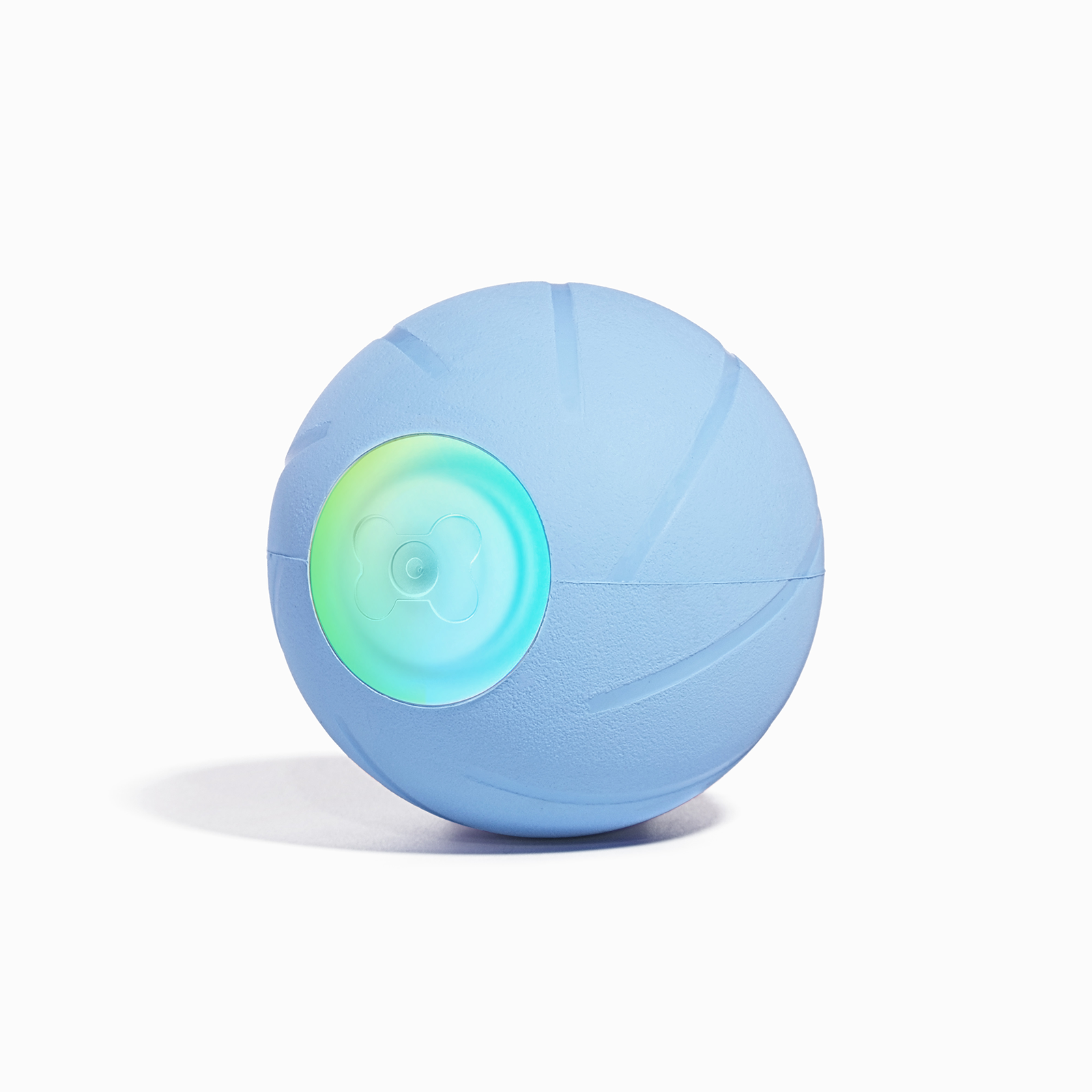
your dog is bored and it’s showing
A dog with nothing to do finds something to do, usually your shoes or the drywall. The fix is mental work, not just a walk.
The Cheerble Wicked Ball is a self-propelled toy that rolls, bounces, and lights up on its own across three interactive modes, chasing the dog as much as the dog chases it. It is made of chew-resistant, waterproof natural rubber, recharges over USB, and auto-sleeps when the dog loses interest so the battery lasts. The value is the self-play: it engages a dog when you physically cannot, which is the whole point during a work-from-home meeting or a sick day.
Right for: high-energy dogs left alone during the day, and light-to-moderate chewers. Wrong for: dedicated power-chewers who will crack a hard shell, and dogs spooked by moving objects. There is a smaller SE version for little breeds and cautious dogs.
you can’t tell if something’s medically off until it’s obvious
Dogs hide illness, and by the time symptoms are unmistakable, you have often lost early, easy-to-treat time. This is the single most valuable thing pet tech does.
The Whistle Health tracker clips to the collar and uses an accelerometer to log eating, drinking, sleeping, scratching, and licking, then flags shifts that can signal allergies, pain, or chronic conditions. Its models were trained on behavioral and medical data from more than 100,000 dogs, so it is looking for the subtle pattern change a busy human misses, a slow uptick in scratching, a drop in activity.
It also doubles as a GPS tracker, which folds two devices into one. Right for: anxious first-time owners, senior dogs, and breeds prone to inherited conditions. Wrong for: anyone unwilling to pay the required monthly subscription, which is easy to overlook at checkout. Available on Amazon.
“The value isn’t the gadget, it’s the trend line,” says Dr. Nina Kohl, DVM. “When a pet parent walks in with three weeks of data showing licking climbing, that turns a vague ‘he seems off’ into something I can actually investigate. That’s real preventive care.”
you feel guilty leaving them home
You cannot be home all day, but you can check in. A treat-camera turns “I hope she’s okay” into seeing that she is asleep on the couch.
Petcube offers 24/7 HD video, two-way audio so you can talk to your pet, and a built-in laser for long-distance play. For a dog or cat with separation anxiety, the two-way audio matters more than the video, hearing your voice can settle a pacing animal. Right for: separation-anxiety cases and chronic worriers. Wrong for: pets that get more wound up by a disembodied voice, watch the first few sessions before assuming it helps.
your cat won’t drink enough water
Cats are notoriously bad drinkers, and chronic under-hydration is a real driver of urinary and kidney trouble. Many cats simply prefer moving water.
The Petlibro Capsule fountain runs a near-silent recirculating pump with five-stage filtration and two flow modes, a flowing stream and a gentle bubble, so a picky cat can pick the one they will actually use. The quiet pump is the underrated feature: a noisy fountain gets unplugged and defeats the purpose.
Right for: any cat, especially those with a history of urinary issues. Wrong for: nobody, really, though it needs the filter changed on schedule to stay worth it. Widely sold on Amazon.
“For cats, hydration is a health issue, not a luxury,” Dr. Kohl notes. “If a fountain is the thing that finally gets your cat drinking more, it earns its place on the counter.”
mornings are chaos and feeding times slip
An automatic feeder is about consistency, especially for cats on a fixed schedule or a weight plan.
The Petlibro automatic feeder comes in matte black, white, or gray, holds dry food behind a cat-proof twist-lock lid to keep it fresh, and lets you record a ten-second call-to-the-bowl message. The portion scheduling is the real feature: it removes the guilt-driven overfeeding that creeps in when humans do it by eye. Right for: scheduled feeders, multi-pet homes needing portion control, people who travel overnight. Wrong for: wet-food diets and serious grazers who need free feeding.
you’re drowning in pet hair
Fur is relentless, and most vacuums are too loud for the animal shedding it.
The Airsign HEPA vacuum captures a claimed 99.995 percent of particles through HEPA-14 filtration, and it is built to last: a 20 percent recycled-plastic body, easily replaceable parts so it can be repaired rather than tossed, and fully biodegradable bags instead of the usual plastic. At $295 it is not cheap, but it undercuts comparable Miele and Dyson models, and it is noticeably quieter, so the cats tolerate it. Right for: heavy shedders and allergy sufferers who want a repairable machine. Wrong for: bargain hunters, a $60 vacuum will technically pick up hair.
you dread the litter box
This is the chore people most want to automate, and the category where a good device genuinely changes daily life.
The Petkit Pura Max self-cleaning box uses infrared and weight sensors to detect your cat’s presence, log weight and visit frequency and duration, and auto-scoop waste after each use, all tracked in an app that also flags the health-relevant data (a cat urinating far more often is a red flag worth catching). A detachable deodorizer manages smell.
Right for: multi-cat households and anyone whose scooping discipline has, honestly, lapsed. Wrong for: very small kittens (weight sensors and moving parts warrant caution until they are grown) and cats deeply suspicious of new machinery, transition slowly. One caution worth stating plainly: monitor any automatic box for the first weeks to be sure your cat accepts it and the sensors read them correctly.
the box is clean but the room still smells
Cleaning removes the waste; it does not always beat the ambient odor.
The Petkit Pura Air is a smarter plug-in freshener: a motion sensor triggers airflow through a scented filter as your pet passes, plus an ionizer and built-in fans, with the scent tuned to neutralize rather than perfume-bomb. It mounts with included 3M strips or screws, and lights signal when the filter or battery needs swapping. The filter is a plant-derived deodorizer that decomposes odor molecules rather than masking them. Right for: small apartments where the box shares a room with people. Wrong for: anyone sensitive to any added scent at all.
you don’t actually know what your pet is
Breed mix is fun to learn, but the real payoff is health: many breeds carry predispositions worth planning around.
The Wisdom Panel Premium Dog DNA Kit runs 210 genetic health tests alongside a breed breakdown from the largest breed database available, plus a relative finder reaching back to great-grandparents. The health screening is the point, knowing a Labrador carries risk for POMC-related early obesity, for instance, lets you manage weight before it becomes a problem.
For cats, the Wisdom Panel Complete Cat test detects over 70 breeds, screens with 45-plus health tests and 25-plus trait tests, and includes a relative finder. Dr. Chen notes the health results are reported at over 99.99 percent accuracy, held to quality-control standards similar to human genetic testing. Right for: mixed-breed adopters and anyone wanting a health head start. Wrong for: people who only want the breed pie chart, cheaper tests cover that. Both are on Amazon.
“A DNA test isn’t just trivia,” says Dr. Mara Chen, DVM. “When I know a dog carries a specific genetic risk, I can screen for it early and tailor diet and monitoring. That’s the difference between reacting to a disease and getting ahead of it.”
The one rule under all of it
Notice what every genuinely useful device on this list has in common: it solves a specific problem you can name, and it tends to keep you informed rather than absent, the tracker that flags a trend, the feeder that logs a meal, the camera that lets you check in. The gadgets to be wary of are the ones sold on the fantasy of never having to pay attention again. Buy for the problem, not the fantasy, and pet tech is one of the better upgrades you can make.
References
- “Preventive Pet Healthcare.” American Animal Hospital Association. https://www.aaha.org/your-pet/pet-owner-education/
- “Feline Environmental Needs Guidelines.” American Association of Feline Practitioners. https://catvets.com/guidelines/practice-guidelines/environmental-needs-guidelines
- “Chronic Kidney Disease in Cats.” Cornell Feline Health Center. https://www.vet.cornell.edu/departments-centers-and-institutes/cornell-feline-health-center/health-information/feline-health-topics/chronic-kidney-disease
- “Genetic Testing.” American Kennel Club. https://www.akc.org/expert-advice/health/dna-tests-for-dogs/
Marcus Webb writes about the gear, gadgets, and everyday choices that make life with a pet easier. His coverage runs from product picks to training and the causes worth paying attention to, always with an eye on what actually earns a place in your home.
Meet our experts ↗Keep reading
 Product Picks9 Electronic Cat Toys That Beat Boredom While You're OutDr. Mara Chen · 6 min
 Product PicksThe Ball Launcher That Started With a Kid Dodging HomeworkMarcus Webb · 5 min
 Product PicksTikTok's Favorite Dog Feeder Is a Bamboo Speed Bag. The Science Backs It Up.Dr. Nina Kohl · 6 min
 Product PicksA Wellness Influencer's Cat-Parent Gift Guide That Skips the JunkSara Lim · 4 min
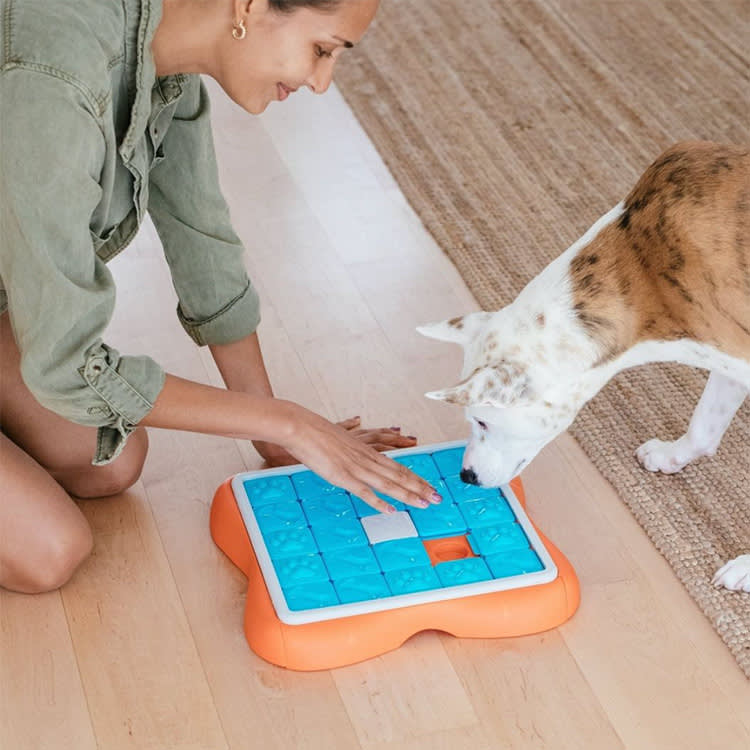 Product PicksYour Dog Isn't Bored. They're Underemployed. 8 Puzzles That Fix It.Tom Hadley · 11 min
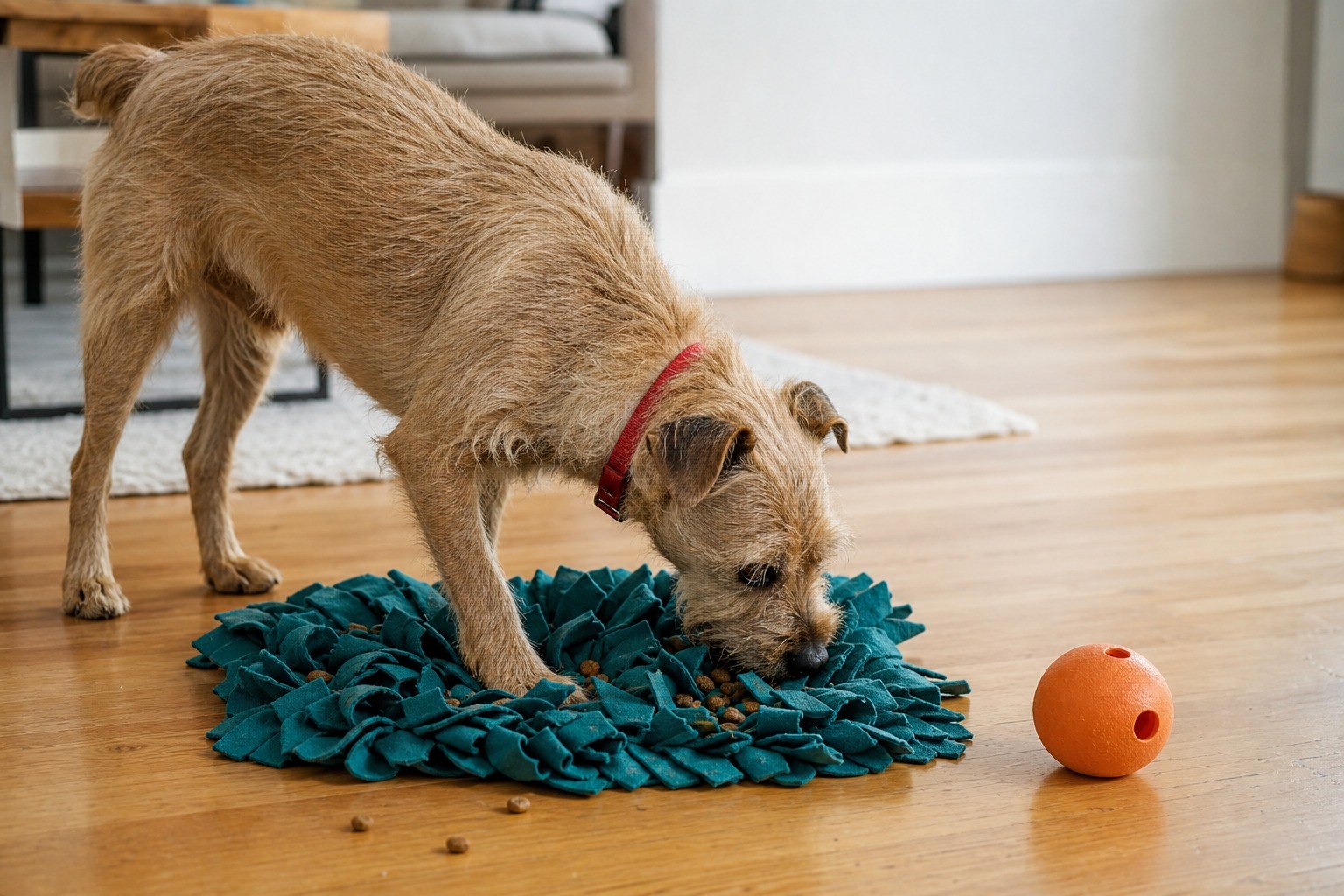 Product PicksYour Dog Is Bored, Not Bad. 5 Enrichment Toys That Fix It.Marcus Webb · 4 min