


Odor Control Is 80% Maintenance, 20% Litter. Here's the Litter Part
The smelliest litter box is usually a clean litter in a neglected routine. Fix the routine first, then pick a litter for how it fights odor. Here are the clay, natural, silica, and add-on options that actually hold the line.

Affiliate disclosure. This article contains affiliate links. We may earn a small commission if you buy through a link, at no extra cost to you. How we handle recommendations.
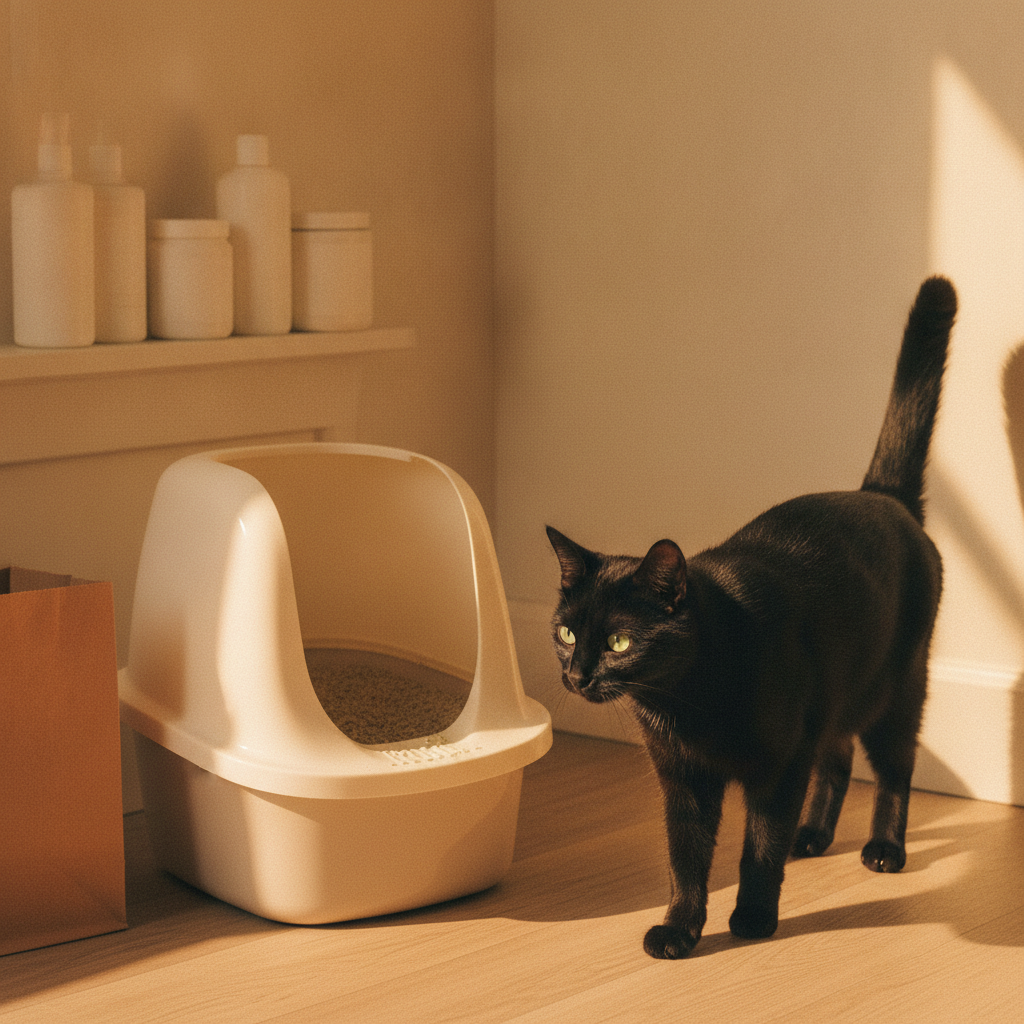
Let us start with the uncomfortable math, because it will save you money. The litter you buy is responsible for maybe a fifth of how your house smells. The other four-fifths is how often you scoop, how often you dump and scrub the whole box, and whether you have enough boxes for the number of cats in the house. People shop for odor control as if it lives in the bag, when most of it lives in the routine. Buy the best odor-eliminating litter on the market and use it in a box you scoop twice a week, and it will still stink, because no litter is designed to sit in saturated waste for days. That is not a litter failing. That is a maintenance gap wearing a litter’s name.
So before the picks, the part that actually controls the smell: scoop at least once a day and ideally twice, do a full dump-and-wash on a schedule (monthly for clumping, weekly for non-clumping), and follow the one-plus rule of one more box than you have cats. A sealed litter pail like the Litter Genie holds the scooped waste so it does not re-perfume the room between cleanings. Do those things and a mediocre litter performs well. Skip them and the best litter on earth cannot save you.
Now the litter part, which is real and worth getting right, because once your routine is solid, the right litter is what holds the line between scoops. Every litter fights odor a different way, with different trade-offs across clumping, dust, scent, multi-cat strength, and price. Here are the ones that genuinely earn their keep.
“When an owner tells me their odor-control litter stopped working, my first question is how often they scoop, not which brand they bought,” says Dr. Mara Chen, a veterinarian who writes for The Pet Times. “Litter manages odor between cleanings, it does not replace them. And here is the part people miss: a litter box that suddenly smells much stronger or different can be an early flag for a urinary tract infection or a digestive issue. So a stubborn new smell is worth a vet call, not just a new bag of litter.”
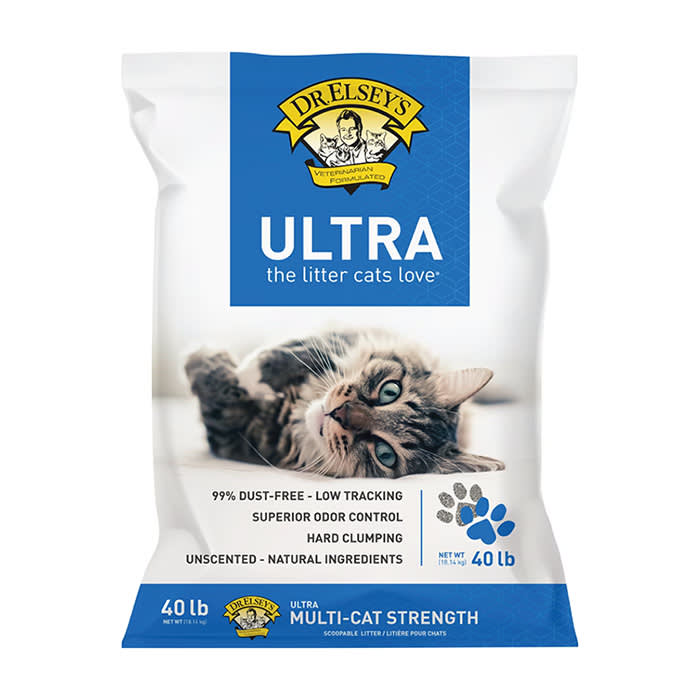
Dr. Elsey’s Precious Cat Ultra
For sheer clumping power and odor control on a budget, this is the one to beat. Dr. Elsey’s Ultra is a 100 percent bentonite-clay litter that forms hard, tight clumps that lift out cleanly, which is half the odor battle since intact clumps mean less waste left behind to smell. It is unscented, marketed as 99 percent dust-free, low-tracking for a clay, and strong enough for a multi-cat home. At roughly $20 for a 40-pound bag, the cost per box is hard to beat. The trade-off is weight: a full bag of clay is a workout, and clay is the dustiest category overall, so a truly sensitive respiratory household may want a natural pick below. Best for multi-cat homes that want maximum clumping at the lowest price.
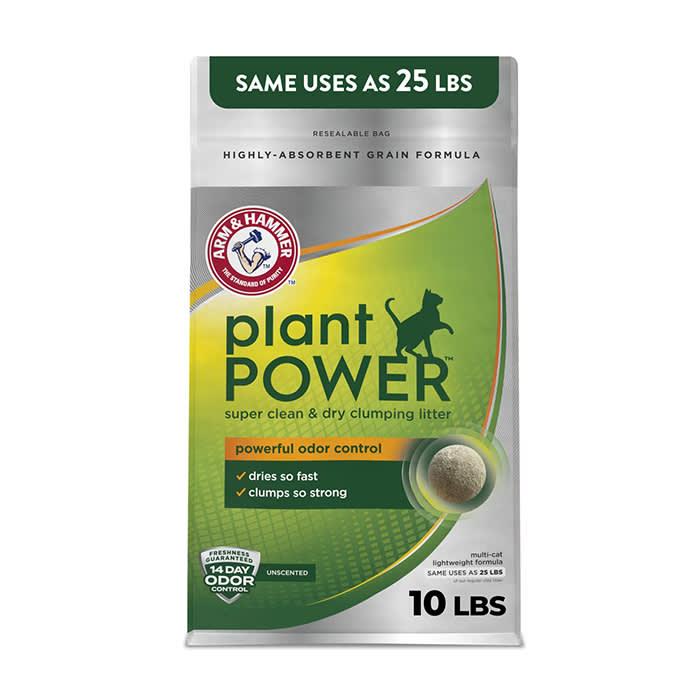
Wheat Scoop
Wheat sounds like an odd odor fighter, but the starches and natural enzymes in wheat actually neutralize ammonia rather than just masking it, which is why this works as well as it does. Wheat Scoop is built for multi-cat use, clumps and flushes (where local plumbing allows), and keeps dust low. Reviewers consistently praise the absence of “perfume-y” cover-up scent, and many report their cats prefer the softer texture, which matters more than owners think, since a cat that likes the box uses the box. It is biodegradable and lightweight compared to clay. The trade-off is price and a slightly softer clump than bentonite. Best for sustainability-minded homes and cats with texture preferences.
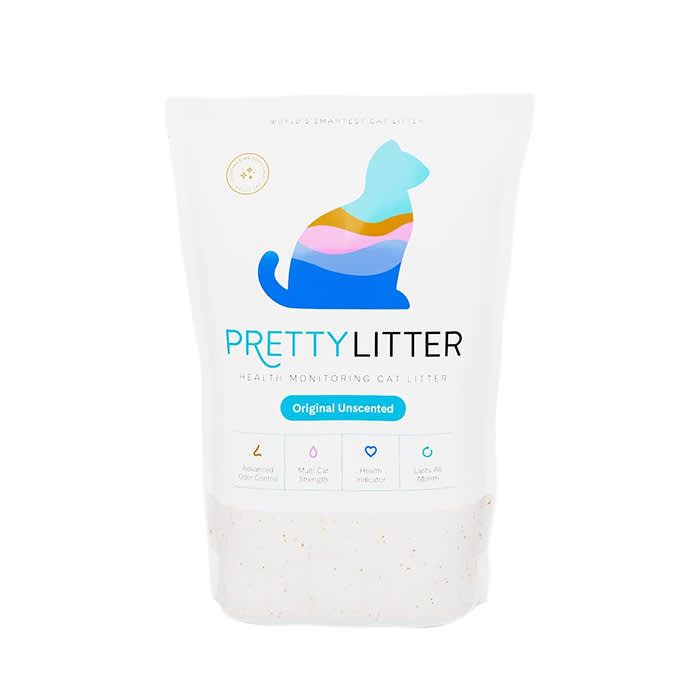
PrettyLitter
PrettyLitter does odor control well, but its real pitch is health surveillance. The silica-gel crystals are highly absorbent and lock in ammonia, and they change color in response to your cat’s urine, flagging possible issues across several shades with a separate color for healthy urine. Since cats hide illness expertly, a litter that surfaces a urinary problem early can be genuinely valuable. The crystals are dust-free, which suits allergy-prone homes. The trade-offs: it is non-clumping, so it needs frequent stirring and full changes, it tracks, and it is the priciest per pound, though an eight-pound bag stretching up to two months softens that. Best for single-cat homes focused on early health detection.
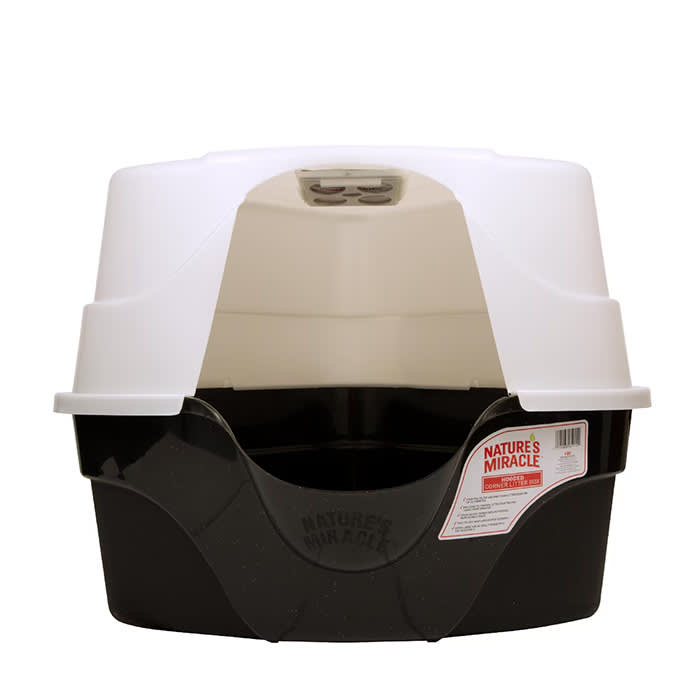
Activated-Charcoal Deodorizer
Not a litter, a force multiplier. A non-toxic activated-charcoal deodorizer mixes into whatever litter you already use and adsorbs odor molecules out of the air around the box, the same chemistry that purifies water and air filters. Reviewers love its versatility, sprinkling it in fridges and aquariums too. It will not rescue a box you never scoop, but layered onto a solid routine and a decent litter, it noticeably extends the time between “fine” and “phew.” Best for anyone who likes their current litter but wants an extra margin, especially in a small apartment.
How to actually solve a smelly box
The litter is the last twenty percent, so spend your effort on the eighty first. Scoop on a real schedule, not when you remember. Keep one more box than you have cats, placed in quiet, separate spots so no cat has to share or feel cornered. Wash the box itself on a calendar, because clay and crystals both leave a film that holds odor no scoop can reach. Seal scooped waste in a litter pail rather than an open trash can. Run a HEPA purifier nearby if smells linger, and resist the urge to drown the room in air freshener, since a strong scent near the box can drive a cat off it entirely. Get the routine right and any of the four litters above will do exactly what it promises.
References
- Cornell Feline Health Center. “Feline Behavior Problems: House Soiling.” https://www.vet.cornell.edu/departments-centers-and-institutes/cornell-feline-health-center/health-information/feline-health-topics/feline-behavior-problems-house-soiling
- American Society for the Prevention of Cruelty to Animals (ASPCA). “Litter Box Problems.” https://www.aspca.org/pet-care/cat-care/common-cat-behavior-issues/litter-box-problems
- International Cat Care. “Litter and Litter Trays.” https://icatcare.org/advice/litter-and-litter-trays/
- Cornell Feline Health Center. “Feline Lower Urinary Tract Disease.” https://www.vet.cornell.edu/departments-centers-and-institutes/cornell-feline-health-center/health-information/feline-health-topics/feline-lower-urinary-tract-disease
Common questions
What is the best litter box setup to reduce smell?
A clean box beats any litter. Scoop at least once a day, ideally twice, dump and wash the whole box monthly for clumping litter and weekly for non-clumping, and keep one more box than you have cats. A litter-waste pail like the Litter Genie seals odor between scoops and does a lot of that work for you.
Why is my cat litter so smelly even though I bought odor-control litter?
Almost always frequency, not the litter. Odor-control litter buys you time between scoops, it does not replace scooping. If the box is used often and cleaned rarely, even the best litter saturates and starts to smell. A sudden new or much stronger smell can also signal a urinary or digestive problem, so mention it to your vet.
Does a covered litter box help with odor?
It helps you, not your cat. A hood traps odor inside the box so your room smells better, but it concentrates ammonia where your cat has to breathe it, and some cats refuse a covered box. If you use one, scoop even more diligently and consider a carbon filter in the lid. An open box with frequent scooping is often the better trade.
How can I get rid of litter box and pet odor in the room?
Layer your defenses. Pair an odor-control litter with daily scooping and a sealed waste pail, add a sprinkle of activated-charcoal deodorizer to the litter, and run a HEPA air purifier nearby, which also helps with dander and allergies. Skip heavy air fresheners, since strong scents can deter a cat from the box.
Sasha Ford is a certified cat behaviour consultant who has worked with shelters, catteries, and private clients across the country. They review all feline behaviour content at The Pet Times, with expertise in multi-cat households, indoor enrichment, and stress-related disorders.
Meet our experts ↗Keep reading
 Product PicksThe Cat Puzzle Toy Plan: Start Easy, Level Up, Actually Change BehaviorNina Vasquez · 5 min
 Product PicksThe Self-Cleaning Litter Box That Actually Wins Cats OverSasha Ford · 5 min
 Product PicksI'm Lazy About Scooping. The Litter Genie Turned Me Into a Neat Freak.Marcus Webb · 6 min
 Product PicksThe Cat Bowl Is a Health Tool, Not Decor. How to Pick the Right OneDr. Mara Chen · 9 min
 LivingYou Can't Buy Sylvie's Cat Bowl From Emily in Paris. Here's How to Nail the Look.Leila Torres · 3 min
 Product PicksA Wellness Influencer's Cat-Parent Gift Guide That Skips the JunkSara Lim · 4 min