


The Best Kitten Litters of 2026, and the Safety Rule That Comes First
We tested the best litters for new kittens, weighing safety, dust, odor control, and tracking, so you can set up the safest, healthiest litter box possible.

Affiliate disclosure. This article contains affiliate links. We may earn a small commission if you buy through a link, at no extra cost to you. How we handle recommendations.
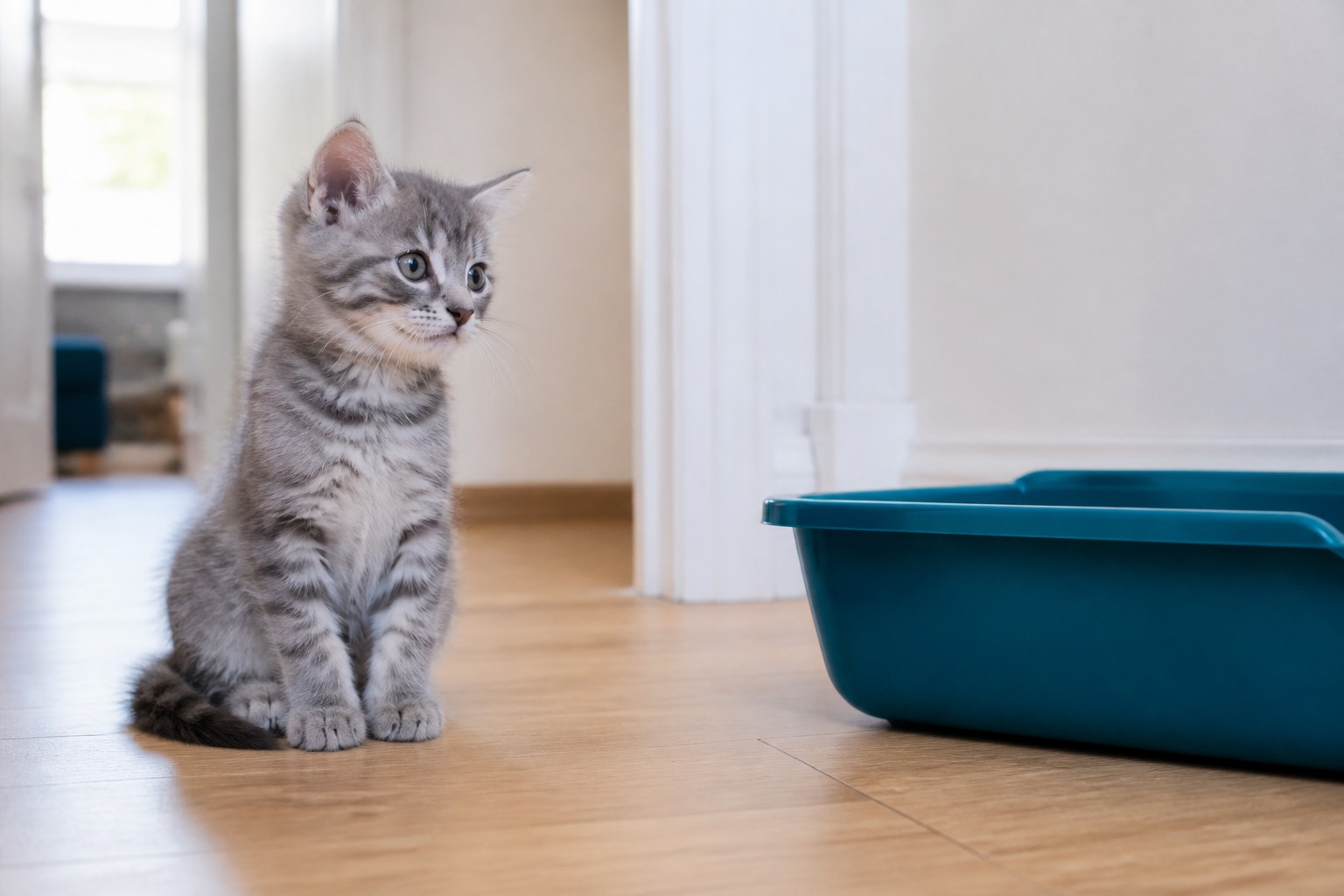
Most litter roundups rank on odor, dust, and tracking, and then mention kitten safety as a footnote. For a kitten under four months old, that order is backwards. The first decision, the one that should override scent and price and even your countertop aesthetics, is clumping versus non-clumping, because for a young kitten it is genuinely a safety decision and not a preference.
Here is why it matters so much. Standard clumping litter is made from sodium bentonite clay, which works by swelling on contact with moisture. That swelling is the whole point in the box, and the whole danger in a kitten. Sodium bentonite can expand to many times its dry volume, by some estimates around fifteen times, and a kitten who walks through the box and then grooms the clay off their paws, or who is curious enough to taste it, can swallow enough for it to clump inside a tiny digestive tract and cause an obstruction. Their intestines are narrow, so it does not take much. That is why nearly every vet says clumping clay and very young kittens do not mix. There is a second, quieter issue too: traditional clay litters can throw off fine crystalline silica dust when poured and dug, and a kitten’s developing airways are more vulnerable to it than an adult cat’s.
None of this means you can never use clumping litter. It means you start a young kitten on a non-clumping or naturally derived clumping formula, supervise, and graduate to bentonite clumping litter around four months, once they are past the taste-everything phase. So we have ranked these picks the way you should actually shop for a kitten: safety first, then dust, odor, and tracking. Every cat is different, and a product’s absence from this list does not make it bad, which is why we close with how to evaluate any litter yourself.
“The litter-box emergency I dread in a kitten is a clay obstruction, and it is completely preventable,” says Dr. Amara Solis, a veterinarian who writes for The Pet Times. “Skip sodium-bentonite clumping clay until a kitten is at least four months old and clearly past mouthing everything. Until then, use a non-clumping pellet or a plant-based litter, keep the dust low, and watch that they are eliminating in the box and not snacking from it. After four months, you can transition to clumping clay if you like it, slowly and with a few days of supervision.”
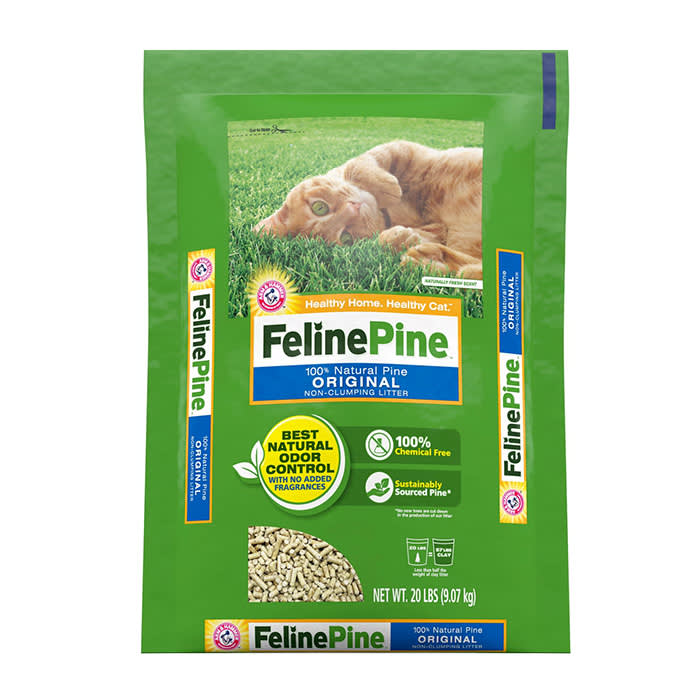
Feline Pine Original Non-Clumping Wood Litter
This litter swaps dusty clay for fresh-smelling pine pellets that soak up messes like tiny sponges, leaving the box smelling like a forest floor. Made from reclaimed pine, it is eco-friendly, lightweight, and free of perfumes and harsh chemicals, and the chunky pellets cut down on tracking. Because clumping litters can expand in a kitten’s stomach and require medical intervention, non-clumping options like this are ideal for cats just learning the ropes. The texture can be a turnoff for some cats and does not sift through a standard scoop, so consider one with larger holes, and stay on top of cleaning since odor control wanes over time. It is best for environmentally conscious parents seeking a low-dust, chemical-free option gentle on sensitive lungs.
Ökocat Dust-Free Non-Clumping Paper Pellet
Made from reclaimed paper fibers and free of inks, dyes, and artificial fragrances, this lightweight formula absorbs moisture well and minimizes odor, ideal for respiratory-sensitive homes. With no clay or silica, it is about as close to truly dust-free as you can get, and it ships in a 100 percent recyclable paper bag. It can take on an unpleasant odor if not replaced every week or so, so it demands cleaning at least twice a day. (And do not add baking soda, which can disrupt your kitten’s digestive balance.) It is also great for kittens recovering from surgery, since there is no danger of litter sticking to an incision.
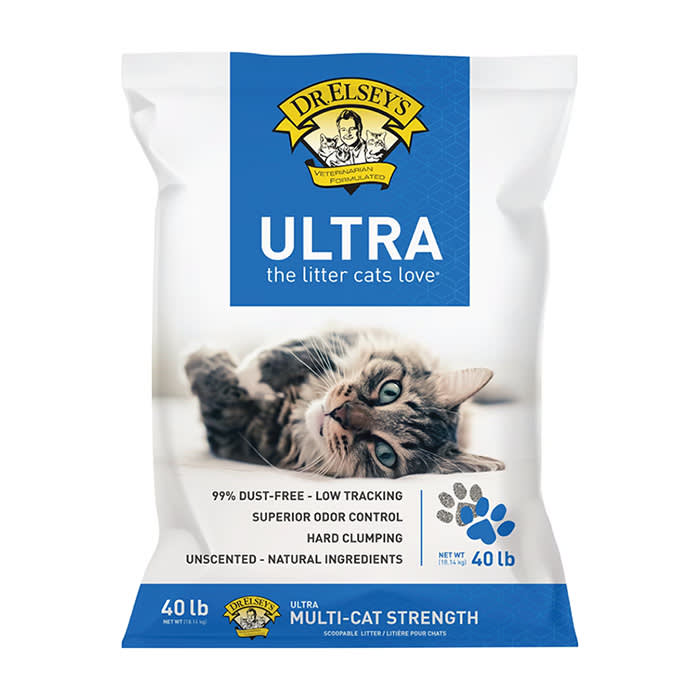
Ultra Micro Crystals Unscented
Lightweight, low-dust, and highly absorbent, this delivers solid odor control without fragrances or clumping agents, and it is prettier than standard gray clay. It traps odors well, is easy to pour, and lasts longer than most non-clumping litter, up to a month with one cat, per some customers. The downside: the small, lightweight crystals tend to track across floors and can be a pain to clean up. Best for parents wanting an odor-controlling, low-dust option, especially in homes with fragrance sensitivities or multiple cats.
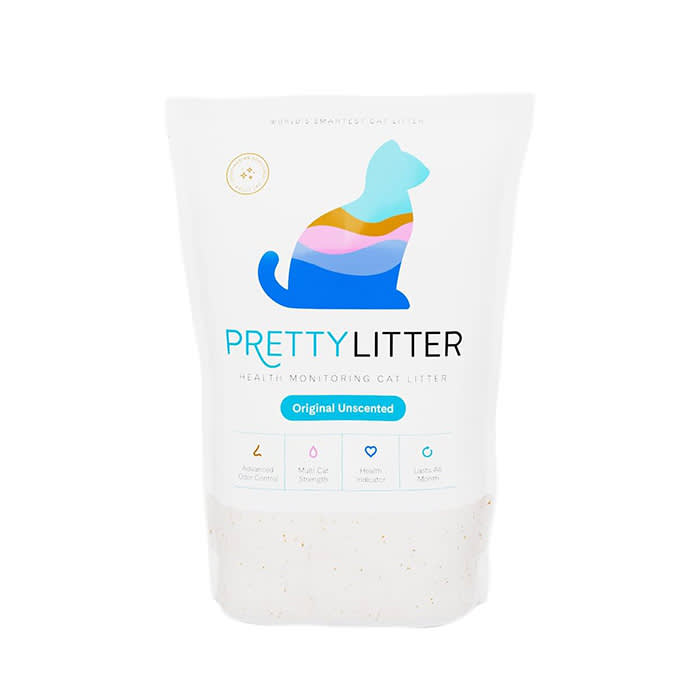
PrettyLitter
Colored crystals change hue based on your kitten’s urine pH, offering early clues to issues like UTIs, kidney stones, bladder inflammation, and FLUTD. It is lightweight, odor-absorbing, unscented, and lasts up to a month, but the health-alert system is what makes it shine. Cats are masters at hiding illness, and this can surface a problem before your cat suffers in silence. Because it is non-clumping, it needs frequent cleaning and stirring, and it runs pricier than other picks. Keep a vacuum handy for tracking. Best for parents focused on early detection of urinary issues.
Dr. Elsey’s Kitten Attract
Most cats find their box without help, but a little coaxing never hurts. This clumping clay litter has a gentle herbal scent cats love, is low dust, and is soft on paws, which can make all the difference for a kitten wary of their new box. As with all clumping litters, watch that your kitten does not sleep in or eat it. It can be hard to clean when pee hits the side of the box, sometimes feeling like scraping rubberized concrete. Ideal for new parents battling litter box misses or coaxing a stubborn kitten into good habits.
SmartCat All Natural 100% Grass Clumping Litter
This eco-conscious litter skips clay and fragrance for 100 percent grass-based clumping that is lightweight, soft on paws, and strong on odor control. It clumps on contact and stays together, with minimal dust. While we generally recommend non-clumping for kittens, this is a wonderful alternative if that is not an option, forming solid, easy-to-dispose clumps. Tracking can be an issue, but otherwise it is solid all around. Perfect for environmentally minded parents and cats with sensitive paws or respiratory issues.
Tuft + Paw Really Great Tofu Cat Litter
This tofu-based litter is a modern take on the classic: ultra-low dust, low-tracking pellets that clump well and break down in water, so you can flush it where allowed (though older plumbing may prefer the bin). It is clean, eco-conscious, and far lighter than clay. The pellet shape barely sticks to toe beans, so you are dealing with one or two stray pellets a day at most, and it absorbs odor and forms strong clumps. It is expensive, the clumps do not form right away (let waste dry before scooping), and some cats dislike the texture. Great for parents wanting a clean, low-dust, flushable option, or anyone whose back can no longer handle 40-pound bags.
Other Products We Considered
Plenty of good litters did not make the cut. We also looked at CatSpot Coconut Litter, a fine clay alternative that looks so much like dirt we worried it might encourage some cats to use potted plants. Naturally Fresh Walnut Shell Litter is another solid non-clumping all-natural option, and Wheat Scoop Natural Clumping Wheat Litter is a good all-natural clumping alternative. World’s Best Corn-Based Cat Attract Litter narrowly won out over Dr. Elsey’s and is excellent, just pricier, and Fresh News Recycled Paper Pellet Litter performs similarly to Ökocat’s, though we wish it did not come in a plastic bag.
What to Know When Shopping for Kitten-Safe Litter
If you want to investigate on your own, go for it, but know that changing your kitten’s litter too often can lead to litter box aversions that are hard to break. Some cats are picky, so expect a little trial and error.
Ingredients. “All-natural” is not a hierarchy. PrettyLitter is more chemically complex than Feline Pine, but that does not make it inferior. There are no villains here, only ingredients.
Clumping vs. non-clumping. Clumping litter expands and turns sticky on contact, so if a kitten eats it, it can form a ball in the stomach requiring intervention. For the vast majority of kittens this is not an issue, but supervise, and be ready to pivot. You can always transition to clumping later.
Fragrance-free. Certain essential oils can be dangerous for cats in large amounts, so we generally suggest fragrance-free options, though most cats tolerate the synthetic fragrances in litter fine. Cats have sensitive noses, and a strong scent can deter them from the box.
Low dust. Take “dust-free” with a grain of salt, since no litter is truly 100 percent dust-free. Clay tends to have more dust, and the smaller and more sand-like the litter, the more dust, though those are often easiest on sensitive paws. It is a trade-off.
Non-toxic ingredients. Crystalline silica dust can irritate the airways, sodium bentonite in clumping litters can cause blockages if ingested (the kitten risk we led with), and wood and pine litters sometimes contain phenol (mostly burned off during kiln drying, but worth knowing). Even all-natural products can pose a threat if stored improperly and allowed to grow mold.
References
- Cornell Feline Health Center. “Feline Behavior Problems: House Soiling and Litter Box Use.” https://www.vet.cornell.edu/departments-centers-and-institutes/cornell-feline-health-center/health-information/feline-health-topics/feline-behavior-problems-house-soiling
- American Society for the Prevention of Cruelty to Animals (ASPCA). “Litter Box Problems.” https://www.aspca.org/pet-care/cat-care/common-cat-behavior-issues/litter-box-problems
- International Cat Care. “Choosing the Right Litter and Litter Tray.” https://icatcare.org/advice/litter-and-litter-trays/
- U.S. Food and Drug Administration. “Get the Facts! Protect Your Pets from Toxic Hazards.” https://www.fda.gov/animal-veterinary/animal-health-literacy/get-facts-protect-your-pets-toxic-hazards
Common questions
Are scented litters safe for kittens?
Fragrances are not automatically bad. Some scents attract cats, others repel them, and what attracts one may repel another. There is really no such thing as truly scent-free, and cats have stronger noses than we do. That said, if your kitten has an allergy to a particular scent, especially a synthetic one, find a new litter.
What age can kittens use clumping litter?
By four months old, most kittens are mature enough not to eat their litter, so transitioning to clumping litter is fine. Keep an eye on them at first to make sure they aren't ingesting the new litter, sneezing, or avoiding the box.
How often should you change the litter?
It depends on you, your cats, and the litter type. Removing waste promptly extends its life, but once it starts to smell or the texture or color changes, dump it all, clean the box, and start fresh. And remove waste every time you notice it, not just once a day.
What kind of litter tray is best for kittens?
The box should have low enough sides for a kitten to get in and out easily, and be large enough to turn around and cover their business. A good rule of thumb is at least one and a half times the cat's length. Kittens grow fast, so consider starting with a larger box.
Sara Lim leads our Product Picks coverage, testing and comparing the things pets and their owners actually use. From everyday essentials to home-and-style finds, she focuses on honest, useful recommendations rather than hype.
Meet our experts ↗Keep reading
 Product PicksShould You Put a Camera on Your Cat? A Weight-First Buyer's GuideJames Okafor · 7 min
 Product Picks6 Eco Cat Swaps That Don't Feel Like a SacrificeSara Lim · 5 min
 Product PicksMost Kittens Should Never Wear a Diaper. If Yours Truly Needs One, Read This.Dr. Mara Chen · 6 min
 Product PicksLitter Tracking Ends at the Mat. 8 That Actually Trap the MessSara Lim · 7 min
 Product PicksThe 'Kitten Litter Box' Is a Trap. Buy for the Cat They'll Become.Dr. Nina Kohl · 8 min
 Product PicksHow to Choose a Cat Backpack (Plus 6 We'd Actually Carry)Leila Torres · 5 min