


Size Was Never the Point: 14 Dogs Built for Apartment Life
A Great Dane can make a better apartment dog than a terrier, because the thing that actually matters in a shared building isn't square footage, it's noise and energy. Here are 14 breeds that fit city living, grouped by what they'll really be like through a wall.
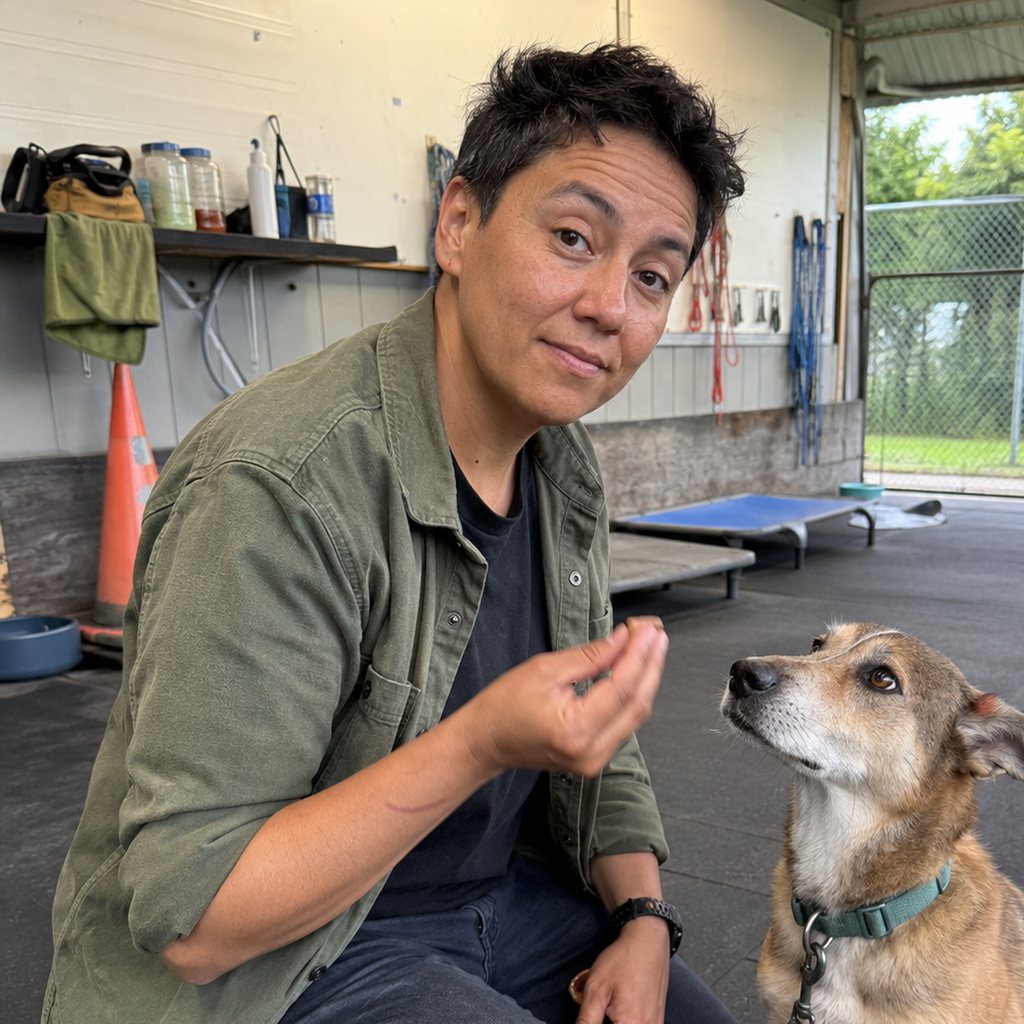
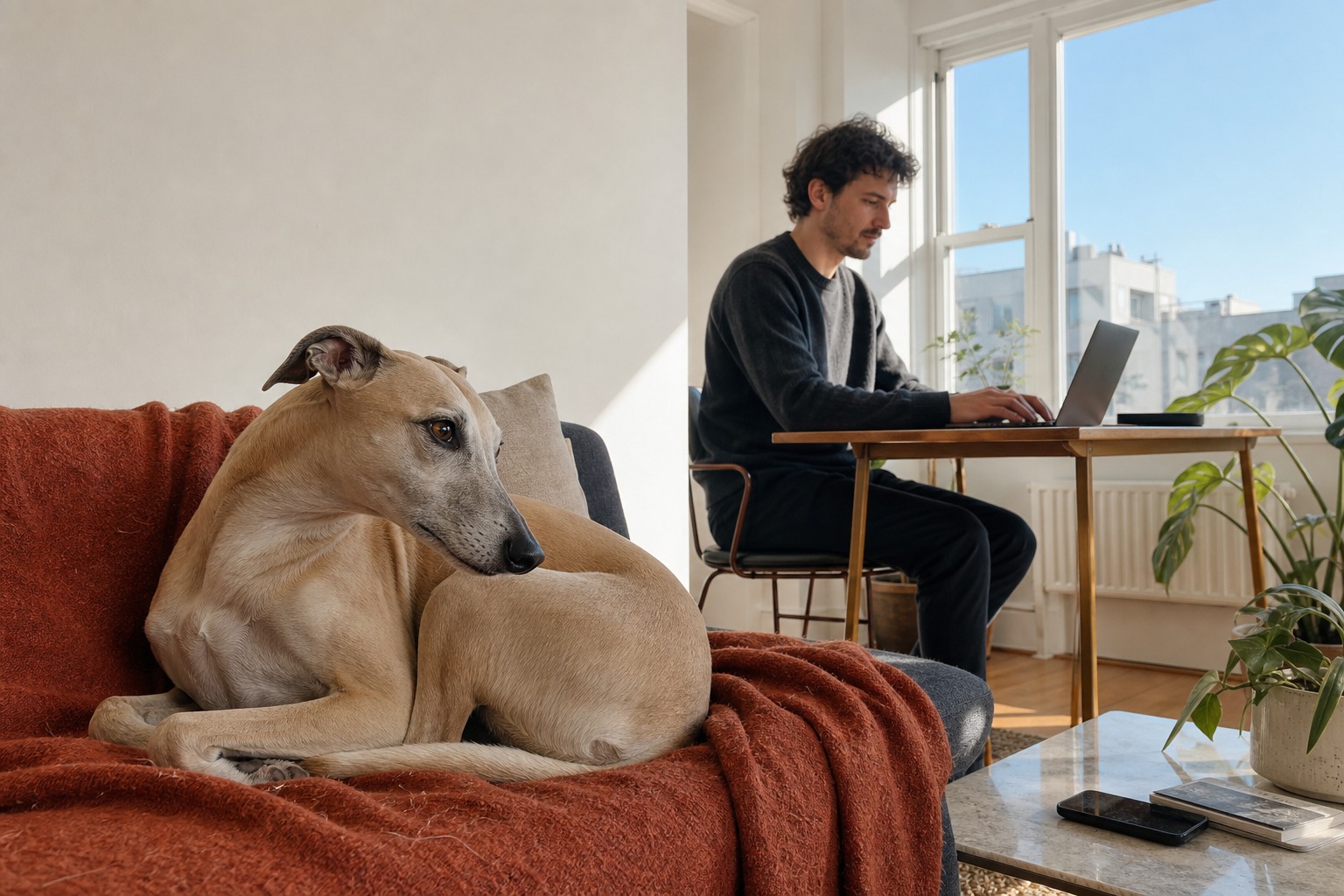
The phrase “apartment dog” gets used as if it means “small dog,” and that’s the mistake that lands people with a seven-pound bundle of barking who files a noise complaint against themselves every afternoon. The truth is closer to the opposite. Some of the calmest, quietest, most shared-wall-friendly dogs on earth are enormous, and some of the twitchiest, yappiest ones fit in a tote bag.
So we’ve thrown out the small-versus-large framing entirely. What actually determines whether a dog thrives in an apartment is three things: how much they bark, how much energy they need burned off, and whether you’ll actually meet those needs in a home without a backyard door to fling open. Below are 14 breeds organized by what they’re really like to live next to, all of them findable at shelters and breed-specific rescues rather than a breeder.
“Almost any dog can live happily in an apartment if the human treats the dog’s exercise and enrichment as non-negotiable rather than optional,” says Dr. Mara Chen. “A yard doesn’t raise a dog; a routine does. The failures I see aren’t about square footage, they’re about a dog whose brain and body never got tired that day.”
We trimmed a few crowd-pleasers that get recommended more out of habit than fit, like high-energy Doodle mixes whose adult size and drive are hard to predict, structured-exercise breeds such as the Golden Retriever, and heavy-shedding herders like the Corgi. Great dogs, all of them; just not the surest bets for a studio.
The quiet neighbors: easiest through a shared wall
If your building has thin walls or an intolerant downstairs, start here. These dogs bark rarely and settle easily.
Cavalier King Charles Spaniel. About as close to a low-bark dog as exists (no dog is truly silent, and you wouldn’t want one, since barking is how they talk). Cavaliers are prized for sweet, quiet dispositions. The catch: they bond hard to one person and can struggle with separation anxiety, and they need a bit more exercise than their lapdog looks suggest.
Greyhound. The great apartment paradox. Bred as sprinters rather than endurance runners, they’re famously lazy between short bursts and generally very quiet. A rescued Greyhound may have never lived indoors, so house-training can take patience, and they can be sensitive to noise, worth weighing if you’re under a stomping upstairs neighbor. Given time and gentle training, they adapt beautifully.
Whippet. A smaller cousin of the Greyhound with the same deal: big personality, real exercise needs, but minimal barking, minimal shedding, high trainability, and deep affection. Prioritize their daily run and they’re ideal.
Basenji. Medium-sized, low-shedding, and famously “barkless” (they make an odd yodel instead of a bark). The trade-off is intelligence: a bored Basenji invents destructive hobbies, so mental work is mandatory, not optional.
French Bulldog. Playful, laid-back, and content to lounge with their people, which is exactly why they’re everywhere in cities. They still need a daily 30-minute walk and puzzle toys to stave off boredom-driven mischief. Note that, as a flat-faced breed, they can struggle in heat and with breathing.
Great Dane. Yes, the largest dog on this list may be one of the best apartment dogs on it. Danes are low-energy, strikingly gentle, quiet, and trainable. They do need room to stretch out and turn around without redecorating with their tail, which is huge and powerful. They’re also prone to mobility issues like hip dysplasia, arthritis, and wobbler syndrome, and at up to 200 pounds, stairs and elevators get harder with age. A low-floor one-bedroom suits a Dane far better than a fifth-floor walk-up.
Small but vocal: apartment-viable if you manage the mouth
These dogs can absolutely thrive in a small space, but barking is the thing you’ll actively train around.
Yorkshire Terrier. Petite (around seven pounds) and a good mix of energetic and mellow, which means a few laps around the living room buys you an afternoon of lap-napping. Their bark tends toward a tolerable yap rather than a complaint-worthy boom. The real challenge is house-training a tiny bladder, especially above a fifth-floor walk-up, so pee pads may earn their keep.
Dachshund. A questionable pick for one loud reason: a deep, resonant bark they love to deploy. Early training softens it but rarely erases it. In their favor, they’re devoted couch companions (sometimes to the point of separation anxiety), and their original job, hunting badgers and rodents, makes them weirdly perfect for any building with a mouse your landlord won’t handle.
Shih Tzu. Cuddly, affectionate, relatively low-energy, and happiest snuggled up, but don’t mistake that for shy; they love to explore and greet. Under 15 pounds and lively, with a tendency to be vocal, so barking is on the training list.
Chihuahua. Huge personality, often a matching voice. Small as they are, they need real exercise to burn energy and make excellent go-everywhere companions. They bond intensely to their person and can be prickly with other pets, so many do best as an only dog. Expect barking as their primary love language.
Basset Hound. Low-energy and famously chill, but they can be very loud, especially when left alone, and those short legs make stairs a poor fit, so ground-floor living helps. Bred to follow their nose, they’re happiest with scent games to work.
Charming, with an asterisk: extra grooming or health to plan for
Great apartment temperaments, paired with upkeep you should know about going in.
Bichon Frisé. Small (usually under 15 pounds), low-energy, with flexible, minimal exercise needs and a low-shedding coat that’s ideal for tight quarters. The asterisks: they’re notoriously tricky to house-train, can bark when left alone, and need frequent baths and grooming, which is its own adventure in a small bathroom.
Pug. Among the best apartment companions temperamentally, and not big barkers, but they shed heavily and, as a brachycephalic breed, struggle to breathe simply because of their skull shape, so heat and overexertion are real risks. They’re more active than they look and need regular, gentle exercise and company.
Mastiff. Another gentle giant that surprises people, quiet, docile, and happy to pour themselves across your lap once the evening winds down, though they can be standoffish with strangers. At over 200 pounds, they need access to parks for exercise, and you should be philosophically at peace with shedding and drool. Lots of drool.
Making any apartment work, whatever the breed
Every one of these dogs still needs training to live safely and pleasantly in a shared building. Beyond that, three things do most of the heavy lifting.
Build a routine and stick to it. Dogs thrive on predictability, and in an apartment it doubles as neighbor management. A dog who knows when walks, meals, and play happen is calmer, and you can time outings around the building’s rhythms: rush-hour lobby traffic, the after-school wave of kids, the busy elevator windows.
Give the dog a space of their own. Even in a studio, carve out a spot, a crate, a bed, a corner, that your dog reads as theirs. It’s where they decompress. Small courtesies help the humans nearby too: zoomie-muffling rugs and window film or curtains to cut down on barking at the sidewalk parade below.
Prioritize mental and physical stimulation. This is the one people skip, and it’s the one that matters most. Plenty of dogs with big houses and yards are under-stimulated and miserable; plenty of apartment dogs are thriving. Build enrichment into the routine: dog-park trips, outdoor games, indoor puzzle and nosework toys, and real one-on-one time with you that isn’t squeezed around a Zoom call.
One honest caveat before you commit: consider the dog’s experience of the building, not just yours. Some dogs grow reactive to the constant soundtrack of other dogs barking, people passing windows, and close encounters in elevators and stairwells, and that tends to intensify with age. Factor that in, and be realistic about whether a particular dog can handle it.
What’s new since this was written
The legal landscape for renting with a dog keeps shifting in tenants’ favor. A growing number of states now bar home and renters insurers from discriminating by breed, which chips away at one of the quiet reasons landlords deny “aggressive-looking” dogs. It doesn’t override a landlord’s own pet policy, but it removes a common excuse, and it’s worth citing if you’re negotiating. The practical takeaway hasn’t changed: a well-exercised, well-mannered dog and a landlord-ready “pet résumé” (vet records, references, proof of training) still do more to get you approved than any breed on a list.
FAQs
What makes a dog good for apartment living?
Less about size, more about temperament and needs. The best fits bark infrequently, have exercise requirements you can realistically meet without a yard, and settle calmly indoors. Your home, schedule, climate, and your own energy level matter as much as the breed.
What’s the quietest breed for an apartment?
Breed tells you tendencies, not guarantees, but Cavalier King Charles Spaniels, Greyhounds, Great Danes, and Basenjis are known for being on the quiet end. (The Basenji technically doesn’t bark at all, though its yodel is its own thing.)
How do I train a dog to live in an apartment?
Honestly, the human usually needs more training than the dog, because apartment living is mostly about etiquette in shared space. Manage your dog around unpredictable variables like kids and unfamiliar dogs in lobbies and elevators, keep a consistent potty and exercise routine, and invest in a heavy, sound-dampening rug for the morning zoomies.
References
- Vieira de Castro, Ana Catarina, et al. “Does Training Method Matter? Evidence for the Negative Impact of Aversive-Based Methods on Companion Dog Welfare.” PLOS ONE, vol. 16, no. 12, 2020. https://doi.org/10.1371/journal.pone.0225023
- Texas A&M School of Veterinary Medicine & Biomedical Sciences. “Training Tips for Dogs.” VMBS News. https://vetmed.tamu.edu/news/pet-talk/training-tips-for-dogs/
- Insurance Information Institute. “Dogs and Homeowners/Renters Insurance.” https://www.iii.org/article/dogs-and-your-homeowners-or-renters-insurance
Jordan Ellis is a certified professional dog trainer with a decade of experience working with rescue organisations and private clients. They specialise in anxiety, reactivity, and positive reinforcement methods, and review all training and behaviour content at The Pet Times.
Meet our experts ↗Keep reading
 LivingSome Dogs Aren't Built for Your Apartment. Meet the Farm Dog Who Proves It.Leila Torres · 8 min
 LivingA Mississippi Pit Bull Had a Green Puppy. The Reason Is Real Science, Not a Curse.Tom Hadley · 4 min
 LivingThe Dog Nobody Wanted Just Stole a Billion-Dollar MovieJames Okafor · 5 min
 LivingA Vegas Shelter Started Paying People $200 to Foster. That Tells You How Bad It Got.Nina Vasquez · 5 min
 LivingThis Illustrator Doesn't Draw Pets. She Draws Familiars.Leila Torres · 7 min
 LivingShe Was Terrified of Pit Bulls. Then She Put Flower Crowns on Them.Leila Torres · 7 min