


Your Dog's Forty Nicknames Don't Confuse Her. But One Name Has to Stay Clean
Pile on all the ridiculous nicknames you want. Dogs decode tone and context, not words, so the silly names are harmless. The catch is protecting one name for the only moment precision matters.
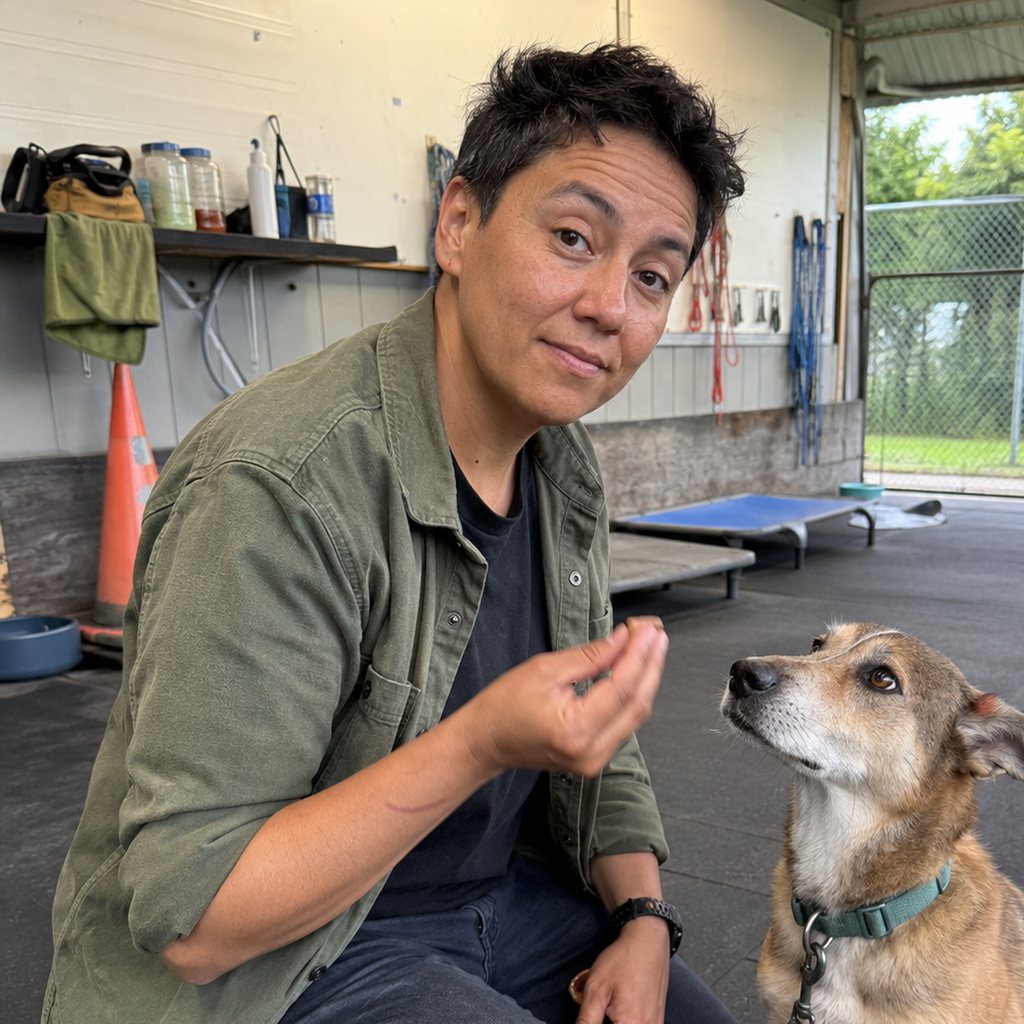
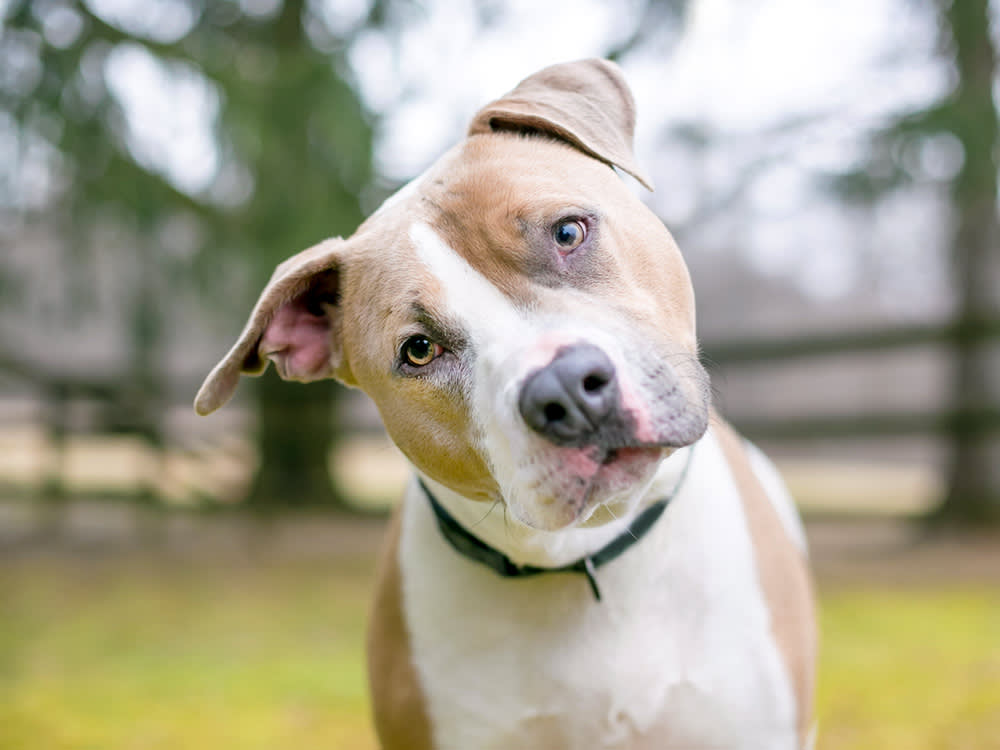
Two winters ago my husband and I brought home a small scruffy mutt. One look at those amber eyes and the name landed fully formed: Maple. It fit so completely that we then spent our first week second-guessing it, because my cousin’s dog is named Mabel, and two nearly identical names at every family gathering seemed like a recipe for chaos. We floated alternatives. We agonized. Nothing else fit.
Which makes it genuinely absurd that within half a year, Maple had become Marble. Then Marble Q. Wigglesworth on formal occasions. Day to day she is Marbles, Snickerdoodle, Madam, Gremlin, or Toad, depending on her crimes. My mother, for reasons unexplained, calls her May-May. And somewhere in the middle of shouting “Snick, dinner!” across the kitchen, I started to actually worry: are we breaking this dog’s brain?
The short answer is no. But the reason is more interesting than reassurance, and it ends in one rule that is genuinely worth following. So here is what is actually happening inside your dog when you call her forty different things, and the single place where it really does matter.
Your dog is barely listening to the word
The premise behind the worry, that your dog is keeping a mental list of names and getting confused when the list grows, assumes dogs process words the way we do. They mostly do not.
What a dog locks onto is the package: your tone, your volume, your posture, the time of day, where you are standing, whether the leash is in your hand. The specific word riding on top of all that is a small part of the signal.
“Most animals respond to the whole picture, the tone and the body language and the situation, far more than to the literal sound of a word,” says Sasha Ford, a certified dog trainer who works with Pet Times. “If you call your dog in a bright, happy, come-here voice while crouching and patting your knees, you can say ‘Maple’ or ‘pancakes’ or ‘Tony Soprano’ and a lot of dogs will trot right over. They are answering the invitation, not parsing the noun.”
That is why the nicknames are harmless. When you are cooing “Snickerdoodle” from the couch, your dog is not running a failed database lookup. She is registering “my person is being warm at me,” which is all the message needs to contain. As Ford puts it, in those low-stakes moments our chatter is “pleasant weather, not instructions,” and dogs are completely at peace with that.
So what is the name for?
If dogs barely hear the word, why bother with a name at all? Because a name, taught well, is not really a label. It is an attention switch.
“A name’s whole job is to mean ‘eyes and ears on me, something is about to happen,’” Ford says. “It is one of the first things I teach, before any other cue, because everything else depends on it. The dog has to look to you first. The name is the spark; the actual command is the fire.”
Notice what that reframes. Your dog does not need to know that “Maple” is her identity in some deep sense. She needs to know that this one sound, in this one tone, reliably means “drop what you’re doing and check in with me.” That is a learned reflex, and like any reflex, it gets sharper with clean, consistent repetition and blurrier with sloppy, scattered use.
Which is exactly why the nicknames are safe in the living room and dangerous in only one place.
The one moment precision matters: emergencies
Picture the worst version. Your dog has slipped the leash near a road, or bolted toward another dog, or is about to eat something off the sidewalk. In that half-second, you need an instant, unthinking response to a single sound. You do not have time for your dog to wonder whether “Barneth” counts.
“The life-saving recall is the one thing I want rehearsed with total clarity,” Ford says. “Same name, same word, same tone, drilled long before you ever need it. You cannot improvise it in the emergency. The dog can only give you back the precision you put in ahead of time.”
This is the actual rule the whole nickname question resolves to, and it is simple: keep one name clean. Pick your dog’s true name, use it consistently for attention and recall, practice that recall when nothing is wrong so it is automatic when something is, and then nickname to your heart’s content for everything else. The silliness lives in the affectionate, no-stakes moments. The clean name is reserved for the moment a clean name saves your dog.
The housemate-names trap
There is one more place the word itself genuinely matters, and it is worth a warning because people set themselves up before they realize it.
If you have, or are about to have, two dogs, do not give them similar-sounding names. Maple and Mabel. Maddie and Daddy’s-other-dog-Paddy. In a calm moment your dogs may eventually learn to separate near-identical names by the fine grain of your voice. But in a fast or stressful moment, and especially when a stranger or houseguest is the one calling, those subtle vocal cues disappear and the names collapse into each other.
“I steer clients away from rhyming or near-twin names for housemates,” Ford says. “If you are already stuck with a Maple and a Mabel, teach a group cue, one sound that means ‘all of you, come,’ so you have a reliable option when calling them individually gets muddy.”
Trainers manage this constantly. Put three dogs named Luna in one class and the pro stops relying on the word at all, steering with eye contact and body position instead, which is the same lesson from the top of this article wearing a different hat: the word was never carrying as much weight as we think.
Nickname away
So here is the resolution to my Maple-Marble-Madam problem, and probably yours. The pile of ridiculous names is not confusing your dog, because in those moments your dog is reading your warmth, not your vocabulary. Keep her real name clean for attention and for the emergency recall you have practiced cold, avoid near-twin names if you add a second dog, and otherwise let the nicknames run wild.
Maple, for the record, answers to all of it and probably registers none of it, except in the one tone that means I mean it. Which is exactly how it should be.
References
- Fugazza, Claudia, et al. “Rapid Learning of Object Names in Dogs.” Scientific Reports, vol. 11, 2021, p. 2222. https://doi.org/10.1038/s41598-021-81699-2
- “How to Teach Your Dog Their Name.” American Kennel Club. https://www.akc.org/expert-advice/training/how-to-teach-dog-name/
- Coren, Stanley. “How Dogs Understand Human Voice and Words.” Psychology Today, 2014. https://www.psychologytoday.com/us/blog/canine-corner
Common questions
Do nicknames confuse a dog?
In everyday life, almost never. Dogs read tone, body language, and context far more than the literal word, so the dozen affectionate nicknames you use while cuddling on the couch mostly register as friendly background noise. Confusion only becomes a real risk when you need precise, instant obedience, which is why the advice is to keep one clean name for those moments and nickname freely the rest of the time.
Should dogs in the same house have different-sounding names?
Yes. Trainers consistently recommend against giving housemate dogs similar-sounding names like Maple and Mabel, because in a fast or stressful moment your dogs may struggle to tell them apart, and so will visitors who do not know your particular vocal cues. If you are already living with near-twins names, a distinct 'group' cue for 'all of you, now' is a useful workaround.
Does my dog actually know its name?
Your dog knows that a particular sound, said in a particular tone, means 'pay attention to me, something is coming.' That is slightly different from knowing a name the way a person does. It is a learned attention cue, which is exactly why consistency in how you say it matters more than the word itself.
Can dogs learn lots of words?
Some can learn a surprising number, especially for objects like toys, and a few exceptional 'genius' dogs have learned dozens of toy names in studies. But for the typical dog, tone and body language carry most of the meaning, so you should not assume your dog is parsing your sentences word by word.
Jordan Ellis is a certified professional dog trainer with a decade of experience working with rescue organisations and private clients. They specialise in anxiety, reactivity, and positive reinforcement methods, and review all training and behaviour content at The Pet Times.
Meet our experts ↗Keep reading
 TrainingYour Dog Is Listening to Your Tone, Not Your WordsSasha Ford · 6 min
 TrainingYour Dog Already Knows Your Name. This Game Makes Them Prove It.Dr. Mara Chen · 6 min
 TrainingYour 'Dominant' Puppy Is Just a TeenagerDr. Nina Kohl · 5 min
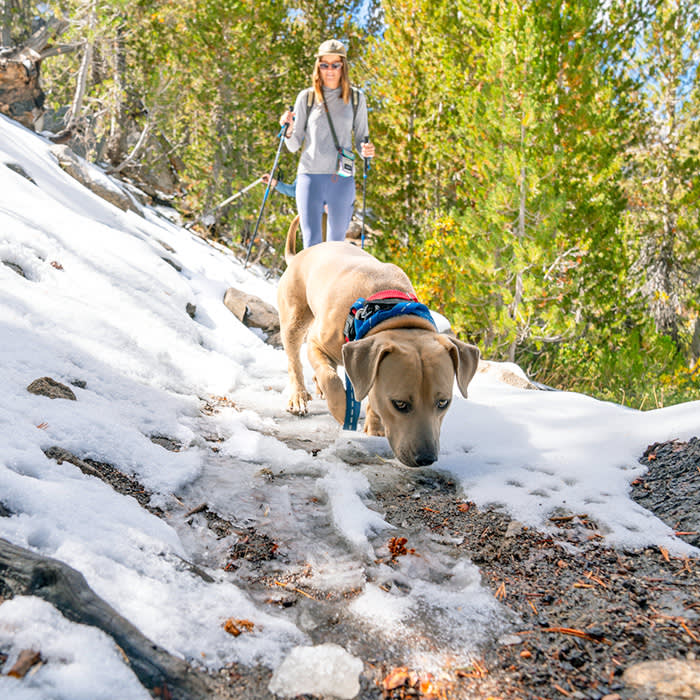 TrainingStop Steering. The Walk Is the One Thing Your Dog Should Get to Decide.Dr. Lena Park · 7 min
 TrainingYour Dog Isn't Stubborn. Your House Has Six Sets of Rules.Dr. Priya Nair · 7 min
 TrainingTreats Teach the Trick. Meaning the 'Good Boy' Is What Makes It Stick.Dr. Ravi Mehta · 4 min