


An AI Can Now Grade Your Dog's Teeth From a Phone Photo. The Catch Is What It Can't Do
A new AI tool scans a smartphone photo of your dog's mouth for tartar and gum trouble in seconds. It's genuinely clever, but the real problem with canine dental care was never detection. Here's what these scanners do, what they don't, and why the value is the reminder, not the diagnosis.
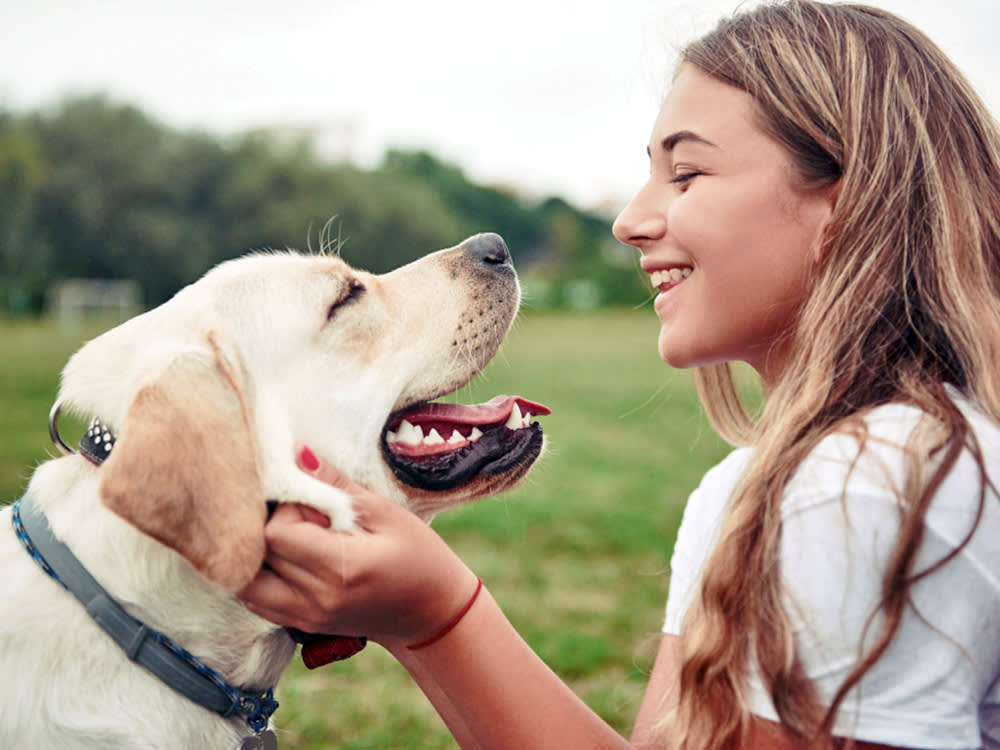
Point your phone at your dog’s mouth, snap a photo, and a few seconds later a screen tells you how many of their teeth show tartar buildup or irritated gums. That’s the pitch behind a new wave of AI dental scanners for dogs, and the technology under the hood is real and impressive. But the most useful thing to understand about these tools is the gap between what they can do and what actually keeps a dog’s mouth healthy.
What the technology actually does
The most prominent example, GREENIES Canine Dental Check, rolled out to US pet owners in May 2025 as part of a large digital push by Mars, the pet-care giant behind it. It runs on a computer-vision model, a type of AI trained to recognize patterns in images. And training it was not trivial. According to the Mars team behind the tool, the model first had to learn to confirm there was even a dog in the photo, then tell different body parts apart, and finally read individual teeth and gums. To get there, engineers fed it more than 53,000 images and hand-labeled every separate tooth and gum area across roughly 7,000 photos of dogs’ mouths.
Using it is genuinely simple. You take a clear, steady photo of the side of your dog’s mouth with the lips pulled back so the back teeth and gums are visible, answer a short questionnaire, and upload it. Within moments you get a count of how many teeth show visible tartar or gum irritation, mapped onto a diagram of your dog’s mouth that you can tap for prevention and treatment tips. It works for any dog over six months old, and results can be reviewed with a licensed veterinary technician through a free chat service.
The line the tool won’t cross, and shouldn’t
Here’s the part that matters, and the makers say it plainly: this is not a diagnostic tool. It flags what’s visible on the surface, and plenty of dental disease lives below the gumline where no phone camera can see it. Tartar you can spot is often the least of the problem; the damage that costs dogs their teeth happens in the roots and bone, invisible without a hands-on exam and dental X-rays under anesthesia. So a “looks fine” scan is not a clean bill of health, and any flag the tool raises is a cue to book a vet, not a verdict you can act on alone.
I like anything that gets an owner to actually look inside their dog’s mouth, because most people never do until there’s a smell or a broken tooth. What I don’t want is for a reassuring phone scan to talk someone out of a real dental exam. The camera sees the enamel. It can’t see the roots, and that’s where the disease that pulls teeth is hiding.
Why a reminder is worth something
If detection has limits, why bother? Because the honest problem with canine dental care was never that tartar is hard to find. It’s that most owners don’t take mouth disease seriously until it’s advanced. Periodontal disease is the single most common clinical condition in adult dogs, and by age three, the American Veterinary Medical Association estimates that most dogs already show some evidence of it. It is also, crucially, largely preventable with routine care.
That’s the gap a scanner can help close. Told that a stranger brushes her dog’s teeth, one of the tool’s own developers noted, people often react with disbelief, because the idea that dogs need dental care at all still surprises a lot of owners. A thirty-second scan that puts “four teeth with gum irritation” on a screen makes an abstract risk concrete, and a concrete risk is one people act on. Used as a monthly nudge between vet visits, the tool’s value isn’t the AI. It’s that it gets you to look, and looking is the thing owners skip.
What it doesn’t replace
None of this changes the fundamentals of keeping a dog’s mouth healthy, and it’s worth being clear about them, because a gadget can quietly crowd them out. Daily toothbrushing with a dog-safe enzymatic toothpaste remains the gold standard. Vet-approved dental chews help when brushing isn’t realistic. And professional cleanings under anesthesia, with X-rays, are the only way to assess and treat what’s happening beneath the gums. A phone scan is a smoke detector, useful, cheap, worth having, but not a substitute for the fire department.
What’s new in pet dental tech
Canine Dental Check is one piece of a broader move to put AI-assisted health monitoring in owners’ hands. The same company has rolled out a companion tool, Poopscan, that lets owners track stool consistency for early signs of trouble, and researchers elsewhere are working on AI that reads dogs’ facial expressions or attempts to interpret their vocalizations. Those decoding projects are still experimental, but health-monitoring tools like dental and stool scanners are already in real use.
The sensible way to hold all of it: treat these tools as an extra set of eyes that prompts you to pay attention, not as a replacement for the veterinarian who can actually diagnose and treat. The most advanced part of your dog’s dental care is still the least high-tech, looking, brushing, and showing up for the exam.
This article covers a health topic and is meant to inform, not to replace veterinary care. Talk to your veterinarian about your dog’s dental health and cleaning schedule.
References
- “Pet Dental Care.” American Veterinary Medical Association. https://www.avma.org/resources-tools/pet-owners/petcare/pet-dental-care
- “Dental Disease in Dogs.” VCA Animal Hospitals. https://vcahospitals.com/know-your-pet/dental-disease-in-dogs
- “Mars Puts Pet Health in Pet Parents’ Hands With New Artificial Intelligence Powered Tools.” Mars, Incorporated, 6 May 2025. https://www.mars.com/news-and-stories/press-releases-statements/mars-pet-health-artificial-intelligence-powered-tools
Not a substitute for your vet. Our guidance is educational. For urgent symptoms, contact a vet or emergency clinic right away. Editorial standards
Dr. Solis is a board-certified veterinary dermatologist with over twelve years of clinical experience. She advises on skin conditions, allergies, and grooming practices that affect coat and skin health. All dermatology and allergy content at The Pet Times is reviewed by her team before publication.
Meet our experts ↗Keep reading
 Product PicksYou Didn't Fail at Brushing Your Dog's Teeth. You Started at the Wrong End.Dr. Mara Chen · 7 min
 Health & WellnessYour Dog's Bad Breath Is a Medical Report, Not a Personality TraitDr. Priya Nair · 6 min
 Health & WellnessBrush the Ones You Want to Keep: The Dog Dental Rule Nobody Says Out LoudDr. Nina Kohl · 6 min
 Health & WellnessPuppy Breath Doesn't Go Bad. It Goes on Schedule.Dr. Mara Chen · 6 min
 Health & WellnessBad Dog Breath Isn't Cute. It's the First Sign of Disease.Dr. Mara Chen · 6 min
 Health & WellnessYour Dog Doesn't Need Straight Teeth. It Needs a Bite That Doesn't HurtDr. Mara Chen · 8 min