


The 8 Longest-Living Dog Breeds (and the Real Reason They Last)
Yes, some breeds routinely reach 16 or 18. But the number you can actually move isn't on this list. New research points to one factor that matters more than breed.

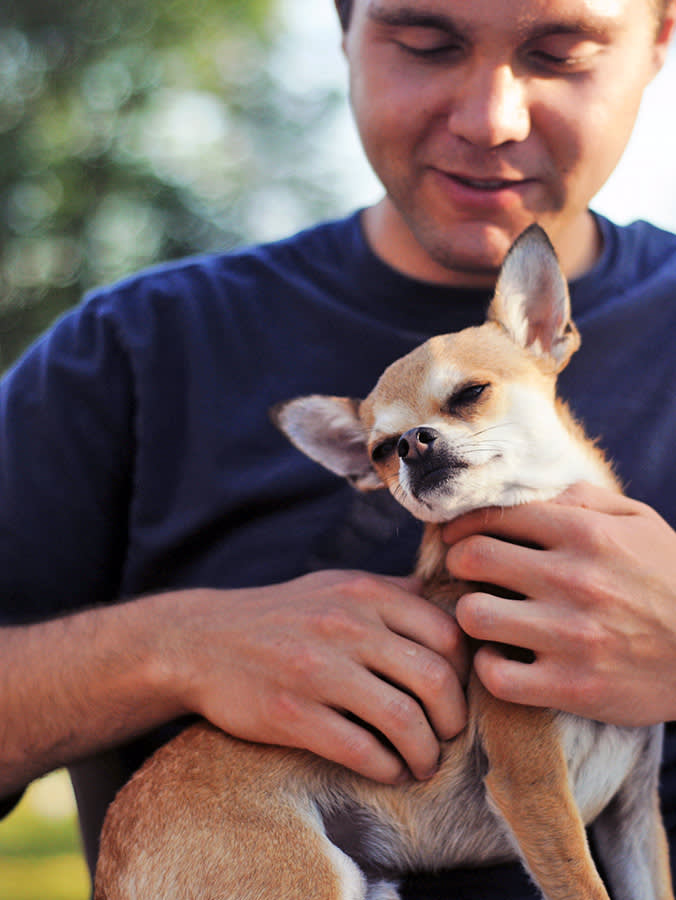
If you are choosing a dog partly on how many years you might get together, that is a completely human thing to want, and there are real differences between breeds. Some dogs live around seven years, others reach 16 or 18. But here is the reframe worth carrying into the decision: the breed on the collar sets a rough range, and the thing that actually moves your dog’s number up or down within that range is almost entirely in your hands. New research makes that unusually clear. So let’s do both, the breeds that tend to live longest, and the factor that beats all of them.
The eight longest-living breeds
We narrowed this to eight breeds with genuinely long average lifespans, most of them small or medium. Scientists are still untangling why smaller dogs tend to outlive larger ones, but part of it appears to be that bigger dogs’ bodies age faster, according to the American Kennel Club. A quick, important caveat before the list: these are averages, not guarantees. Unexpected illness can shorten any dog’s time, and a mixed-breed dog often gets the same longevity perks. Rescuing is still our first recommendation, and you can find nearly any breed, or a wonderful mix, in a shelter.
Toy Poodle
The smallest Poodle can reach up to 18 years, old enough, we’d argue, to vote. Poodles are highly intelligent and need real mental stimulation and exercise or they get destructive. Like most small dogs, they can develop eye and dental issues.
Chihuahua
Small but sturdy, Chihuahuas average around 15 years, with some reaching 20. Do not let the fragile look fool you. The heart is the weak point in this breed, and the spine, as in so many small dogs, can give trouble too. They still need regular exercise and mental enrichment to stay healthy.
Pomeranian
An animated cotton ball with the personality of a dog several sizes larger, the Pom can reach 16. They come with classic little-dog concerns, collapsing trachea, dental disease, and luxating patellas, but their sass is undiminished by any of it.
Dachshund
The famous wiener dog can live up to 16, with the oldest on record reportedly reaching 25. Bred as pest hunters, they are high-energy despite their long backs, which is exactly the vulnerability: intervertebral disc disease. Careful lifting and limiting big jumps protect that spine.
Yorkshire Terrier
Brave and curious enough to forget they fit in a purse, Yorkies typically live 11 to 15 years and are relatively hardy, though patellar luxation, tracheal collapse, and liver shunts show up in the breed. Their thin coats mean they need sweaters in the cold and steady exercise for their minds and bodies.
Shiba Inu
This strong-willed, foxy-faced medium dog lives roughly 13 to 16 years and faces relatively few health issues beyond allergies. First-time owners should know Shibas are independent, opinionated, and need dedicated training and plenty of activity.
Australian Cattle Dog
The longest-lived medium breed here, the Australian Cattle Dog runs 12 to 16 years and is happiest with a job, herding, dog sports, or just relentless activity in a busy household. Watch for hip dysplasia and progressive retinal atrophy with age.
Cavalier King Charles Spaniel
The devoted lap companion of royalty, Cavaliers can reach about 14 years and will spend every one of them following you room to room. Their known weaknesses run to the heart, the hips, and the eyes, which is why the checkup schedule is not optional in this breed if you want the full fourteen years.
What actually adds years: the factor that beats breed
Here is where the story turns, because focusing only on the breed leaderboard misses the lever you can actually pull.
Owners get very attached to the breed’s number, and I understand why, but it’s the least changeable part of the equation. The single biggest thing most people can do to add healthy years is keep their dog lean. That’s not breed-dependent. That’s a daily choice at the food bowl, and it moves the needle more than almost anything else.
The evidence backs her up. Research from the Dog Aging Project and earlier lifespan studies has repeatedly found that dogs kept at a healthy body condition live meaningfully longer, on the order of a couple of extra years, than dogs carrying excess weight. Obesity is not a cosmetic issue; it accelerates arthritis, strains the heart, and shortens life across breeds. A 2024 Dog Aging Project analysis also mapped how disease patterns shift with a dog’s size, larger dogs carried higher lifetime rates of orthopedic, gastrointestinal, and cancer diagnoses, which helps explain the size-longevity gap, but the weight finding is the one every owner can act on today.
Preventive care is the rest of it. Not every problem can be prevented, but a high-quality, correctly portioned diet, steady activity, and routine bloodwork that catches issues early, when they are cheapest and most treatable, all stack the odds in your dog’s favor. Working with your vet to slow or soften breed-specific conditions protects both length and quality of life.
Lifespan versus lifestyle
One last piece of honesty. It is tempting to pick a dog by longevity, but that is the wrong lead. Far more important is whether a breed’s needs match your life. A dog that cannot live the way its instincts demand, an under-exercised Cattle Dog, a bored Poodle, gets stressed and anxious, and chronic stress feeds the very medical problems that shorten a life. So research the conditions a breed is prone to and the lifestyle it needs to thrive, choose a dog you can actually keep happy and active, and then do the unglamorous daily work, portion control, movement, checkups, that adds the years the leaderboard can only hint at.
References
- American Kennel Club. “Why Do Small Dogs Live Longer Than Big Dogs?” akc.org
- Dog Aging Project. “Dog Size and Patterns of Disease History Across the Canine Age Spectrum.” PLOS ONE, 2024. journals.plos.org
Not a substitute for your vet. Our guidance is educational. For urgent symptoms, contact a vet or emergency clinic right away. Editorial standards
Dr. Nair is a veterinarian focused on diet and feeding. She covers everyday nutrition, treats, and the many "can they eat this?" questions owners ask, grounding each answer in what is actually safe and sensible for dogs and cats.
Meet our experts ↗Keep reading
 Health & WellnessCheck Your Dog's Head Like a Vet Does: The 5-Minute Eyes, Ears, Nose, and Mouth ScanDr. Lena Park · 6 min
 Health & WellnessYou Can't Eyeball a Dog Pregnancy. Here's What Actually Tells You.Dr. Mara Chen · 6 min
 Health & WellnessYour Nose Can Tell You Something Is Wrong. It Can't Tell You What.Dr. Priya Nair · 8 min
 Health & WellnessHomemade Dog Toothpaste Is Solving the Wrong ProblemDr. Lena Park · 8 min
 Health & WellnessYour Dog's Water Bowl Is Trying to Tell You SomethingDr. Nina Kohl · 5 min
 Health & Wellness"Kennel Cough" Isn't a Disease. That's Why Every Outbreak Feels Like the End of the World.Dr. Ravi Mehta · 8 min