


Before You Bring Your Dog to the Cookout, Answer 8 Honest Questions
The best barbecue prep isn't a packing list, it's a gut check about whether your dog should even come. Two experts on reading your individual dog, dodging the real hazards, and having an exit plan.

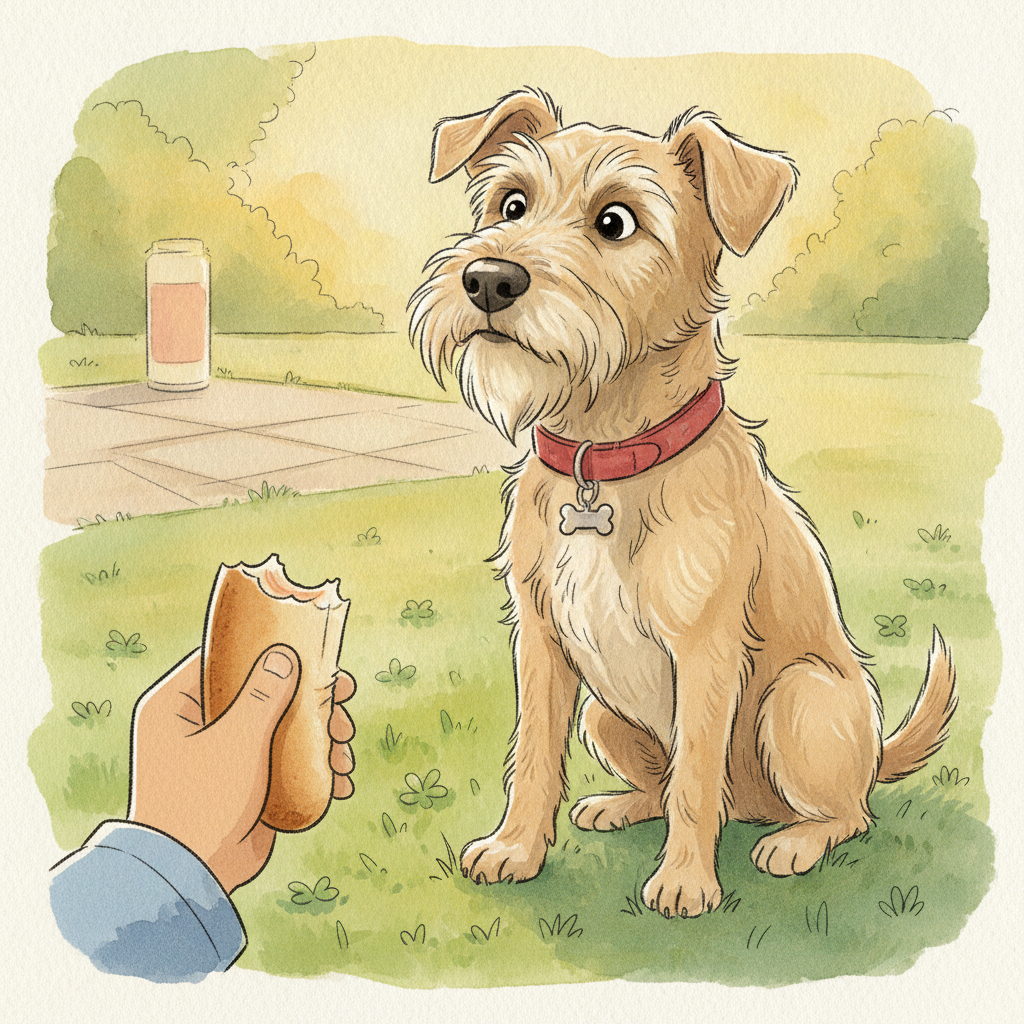
Summer is unofficially underway, which means a season of cookouts and the familiar urge to bring your dog along. Most barbecue advice jumps straight to a packing list. We want to back up one step, because the most important prep is not what you pack, it is an honest answer to a question people skip: should your dog come at all? The fantasy of your dog happily lounging at the party is real for some dogs and genuinely miserable for others, and the difference is not about love, it is about temperament, social tolerance, and heat. The eight questions below work through that decision first, then the logistics, ending with the one thing almost everyone forgets to plan: how you leave. Answer them honestly and you will either set your dog up to thrive or, just as valuably, spare them an afternoon they would have hated. We spoke with two experts to build the list.
1. There Are More Food Hazards Than You Think
Food is the single biggest safety concern for dogs at a barbecue, according to Dr. Courtney Deer, an ER veterinarian based in Arizona. Ideally, keep your dog leashed at your side, or if they are loose in a fenced yard, supervise closely so they do not eat something harmful.
Deer flags corn cobs and watermelon rinds as hazards, because dogs that swallow them whole can develop blockages that require ER surgery. Watch out for wooden skewers too; dogs love to chew them, and pieces can lodge in the esophagus or puncture organs. Common toxic foods include grapes, raisins, and chocolate. Skip any meat that is heavily seasoned, saucy, or fatty, which can trigger an upset stomach, pancreatitis, or diarrhea.
Keep an eye on hot-grill drippings, which often get dumped on the ground. Deer has treated dogs who licked and swallowed small rocks coated in flavoring. Be mindful of cannabis lying around, too. Marijuana intoxication sends a lot of dogs to the ER, whether from lapped-up bong water, edibles, cannabis flower, or chewed vape pens. Affected dogs commonly seem disoriented, walk unevenly (ataxia), or act sleepy, Deer says.
If you do want to share a barbecue treat, Deer gives the green light to sliced unseasoned grilled chicken breast, pieces of hot dog, and fruit like watermelon (no rind or seeds), apples, and blueberries.
2. Not Every Dog Thrives in This Setting
We all want to max out time with our dogs, but be honest about how yours would actually fare.
“Who is this particular dog of mine? Work with the actual animal beside you, not the one you’d imagined having,” says Sari Carel, who owns and leads training at Brooklyn Pup Dog Training.
Some dogs are social butterflies who love meeting people, collecting pets, and playing with new dogs. Others are reserved and find all that interaction stressful. Ask yourself how your dog would handle the typical barbecue: a crowd, the smell of meat passing by, the possibility of other dogs and kids. Are they good for about 20 minutes before getting restless? Do they get overstimulated and nippy or barky? Any resource-guarding issues that might surface? Can they handle all that food just out of reach?
“We build up this daydream, but once you really break down what the day involves, you may well conclude it’s kinder to leave the dog home and do something that suits them better instead,” Carel says.
Maybe that is a long walk, a game of fetch, or a trip to the dog run to tire them out. Then you can head to the barbecue guilt-free, knowing your dog had a good day too.
3. Kids and Other Dogs Complicate Things
Ask ahead whether other dogs or kids will be there, Carel suggests. If your dog is not good with children or other pups, it may be better to leave them home. Even if your dog is friendly, the other dogs might not be. Always supervise play, and step in to give your dog breaks, which prevents exhaustion and cuts the odds of an altercation.
4. Dogs Can Overheat
Overheating is another major concern. Make sure your dog has plenty of water, maybe a fan, and a shady spot to rest, especially if they are active.
“When a dog is deep in a game of fetch or tearing around with other dogs, plenty of them simply don’t know when it’s time to stop,” Deer cautions.
Excessive panting, disorientation, collapse, or bloody diarrhea are common signs of heatstroke. One more environmental note: if there is a saltwater pool, keep your dog from drinking too much of it, and if you are near a lake, check for blue-green algae before letting them swim.
5. Prepping Ahead Pays Off
Carel suggests tiring your dog out before the barbecue so they are not bouncing off the walls and less likely to get overstimulated, which can lead to jumping on people or nipping.
If you are unsure how your dog will respond and have a little time before the event, try a few low-stakes test runs. The aim, Carel says, is to grow the dog’s coping skills and its comfort in unfamiliar, people-filled situations, bit by bit over time. Practice settling with a durable chew or toy at home first, then at a sidewalk cafe. Start with short intervals in public and build up as your dog gets comfortable. You will also learn your dog’s threshold, which tells you how they would do in a bigger social setting.
6. Bring Things to Keep Them Occupied
If you do bring your dog, come armed with tools to help them succeed.
“Expecting a dog to sit quietly and stay silent while the whole party digs into hot dogs, that one’s on us, not the dog,” Carel says.
Pack toys that keep them busy, like stuffed Kongs, snuffle mats, and food-extraction puzzles, plus favorite treats to manage the temptation of all that food. Give them breaks from the busy scene too.
“Putting more space between your dog and the action is one of the most effective ways to help them feel calmer and more secure,” Carel says.
A walk partway through the party, or a “sniffari,” an enrichment-focused scent stroll, eases tension and gives them a reset. Get fluent in your dog’s body language and keep checking in. Tell-tale signs of an overwhelmed dog include heavy barking or aggressive displays, glancing or turning away from what’s around them, repeated tongue-flicks, whale eye, panting, or a tucked-under tail.
7. Make Sure You Will Have Fun Too
Yes, you adore your dog’s company, but be honest with yourself. Are you actually going to have a good time with them there, or will it wear you down? Keeping one eye on your dog the entire party, scanning for fallen food and sketchy dog encounters, makes it tough to unwind.
“My running joke is that a dog is a toddler you never age out of: in a single unguarded second they’ve gulped down something off-limits or gotten into it with a fellow dog,” Deer concludes.
Maybe you’re not in the mood for that kind of vigilance, and there’s nothing wrong with that. Happily, the season is only beginning, so there’s ample time to map out days that work for the two of you.
8. Have an Exit Plan Before You Arrive
This is the question almost everyone forgets, and it is the one that prevents a good afternoon from ending badly. Decide, before you go, what your early exit looks like, because a dog who is overwhelmed cannot wait for the party to wind down on its own schedule.
“People plan how to get the dog there and never plan how to get the dog out,” Carel says. “Knowing in advance that you’ll leave the moment your dog stops coping takes the pressure off in the moment. You’re not failing, you’re following the plan.”
Drive separately if you can, so leaving early does not strip a ride from someone else. Park where you can reach your car without crossing the densest part of the crowd. Set a private benchmark, for example, if your dog hits the overwhelmed signals from item six and a short walk does not reset them, you go. And pack a “go bag” by the door, water, leash, a couple of cleanup bags, so an exit takes thirty seconds, not ten distracted minutes. An exit plan is not pessimism; it is the thing that lets you say yes to bringing your dog in the first place, because you know you can pull the ripcord the instant it stops being fun for them.
References
Tom Hadley writes about training and behavior, helping owners understand what their pets are trying to tell them. His work covers everyday manners, decoding common behaviors, and the small changes at home that make dogs and cats easier to live with.
Meet our experts ↗Keep reading
 LivingA Wolfdog Is Not a Fluffier Husky. Nobody Can Tell You What You Actually Own.Dr. Ravi Mehta · 8 min
 LivingDon't Teach Your Dog to Swim. Teach Them to Get Out.Dr. Priya Nair · 8 min
 TrainingBefore You Cut a Hole in Your House, Answer This: What Else Can Fit Through It?Marcus Webb · 8 min
 Health & WellnessThanksgiving Is Rigged Against Your Dog. 7 Ways to Beat ItDr. Lena Park · 8 min
 Health & WellnessThe Eclipse Won't Freak Your Dog Out. You Might.Dr. Priya Nair · 5 min
 Health & WellnessYou Dog-Proofed the Yard and Forgot the SkyDr. Mara Chen · 6 min