


Leaving Your Vet Feels Like a Breakup. Here Are 5 Times You Should.
Loyalty to a vet is a good instinct, right up until it costs your pet. Five situations where switching clinics is the right call, plus exactly how to move your records without the awkward goodbye.
We get strangely loyal to our vets. They’ve seen our pets through shots and scares and the occasional 2 a.m. panic, and leaving one can feel less like changing a service provider and more like ending a relationship. That loyalty is a decent instinct. It’s also the exact thing that keeps people at the wrong clinic long after it stopped serving their pet.
Because here’s the part nobody says out loud: the people who work in veterinary medicine mostly don’t take it personally when you leave. They know not every clinic fits every family, and moving your pet’s care is usually simpler and less dramatic than you’re bracing for. What follows are five situations where switching is the right call, and the clean way to handle the exit in each one, including the times you don’t owe anyone a goodbye at all.
Reason 1: Your pet has a complex problem your clinic can’t crack
This is the big one. A general-practice vet is excellent at the broad middle of pet care, but some conditions need a level of testing, experience, or specialization a busy general clinic can’t always provide. If your pet has a serious or unusual diagnosis, or a problem that’s been misread more than once, the vet who finally runs the right test is worth reorganizing your life around, even if it means odd appointment times and longer drives.
You don’t always have to leave entirely, though. Ask your current vet for a referral to a board-certified specialist, an internist, oncologist, dermatologist, or the like, who has spent extra years training in exactly your pet’s problem and often works at the front edge of treatment. Sometimes the answer is a specialist alongside your regular vet, not instead of them.
How to handle it: tell your current clinic, and transfer the full records. You want every past result in the new team’s hands so nothing gets repeated or missed. A call, an email, or an in-person visit all work.
Reason 2: Your pet is terrified every single time
Fear at the vet isn’t just sad to watch; it degrades the care, because a panicking animal is harder to examine and more likely to be hurried through. The field has taken this seriously. The Fear Free movement, launched in 2016, trains and certifies clinics to lower an animal’s stress during visits, right down to the slogan about putting the treat into the treatment.
If your pet shakes, pants, whines, or plants all four feet at the door every visit, a Fear Free certified clinic can be a different world, and a good reason to move. A decent vet will understand completely; you can simply say you’re moving to a lower-stress environment. And if a specific bad experience is what soured things and you’d rather not make that call yourself, you’re allowed to skip it. Have your new clinic request the records directly.
Reason 3: You’re moving
Sometimes the breakup is just geography. If you’re relocating and you loved your clinic, the smart move is to mine them for leads before you go, ask who they’d recommend in your new area, because a vet you trust often knows, or can find, someone comparable.
How to handle it: get a copy of your pet’s records in your own hands before the move, not after. If an emergency happens in the gap before you’ve established care somewhere new, you’ll want that history immediately available and not buried in a moving box. Keep it with your important documents, or store it in a pet-health app so it lives on your phone.
Reason 4: It’s just not the right fit
You don’t need a dramatic reason. Maybe you disagree with your vet’s approach, maybe the communication grates, maybe there’s just no rapport. That’s enough. This is a person you’ll work with closely for your pet’s entire life, and personal fit is a legitimate factor, not a frivolous one. It can even vary pet to pet; the vet who’s perfect for your mellow dog might be wrong for your terrified cat.
How to handle it: if you’re comfortable, a brief, honest note is a kindness. But if there’s been friction, you’re under no obligation to over-explain. You’re paying for a service, and if the care hasn’t met the bar, you can simply move on and let the new clinic pull the records.
Reason 5: The communication or transparency has broken down
This is the reason worth adding to the classic list, because it’s the one people talk themselves out of. If you consistently can’t get straight answers, if your questions get brushed off, if you’re blindsided by bills with no estimate beforehand, or if you feel rushed out the door before you understand your pet’s plan, that’s not a personality mismatch. That’s a care problem. Good medicine depends on you understanding what’s happening and why, and a clinic that won’t communicate is undercutting the treatment itself. Trust your read here. Feeling consistently unheard or kept in the dark is a solid reason to find a practice that treats you as a partner in your pet’s care.
The clean-break rules that apply every time
Whatever the reason, a few things make any switch easier.
Rip off the Band-Aid. One clear move beats a slow, half-in-half-out drift where nobody’s sure which clinic holds which records. Decide, transfer, done.
Test before you commit. Don’t leap from one clinic straight into another sight unseen. Ask around, read reviews, and if you can, meet a practice before you hand over your pet’s care, so you’re not repeating this whole process in six months.
And don’t agonize over the goodbye. The professionals we talked to were nearly unanimous: most vets don’t take a switch personally. Letting them know your reasoning is a courtesy, not a requirement, especially after a bad experience. Moving your pet to a new vet should be simpler and far less stressful than you expect.
What’s new: you may not even have to walk in
The biggest change to this whole calculus is that “seeing the vet” no longer always means a drive and a waiting room. As of 2026, a growing number of states, Arizona, California, Florida, Idaho, New Jersey, Vermont, Virginia, and Ohio among them, now let a veterinarian establish a formal patient relationship through a video visit, rather than requiring an in-person exam first. Florida’s PETS Act, effective July 2024, was one early example, with limits on what can be prescribed before an in-person visit.
Why this matters for switching: telehealth widens your options, particularly if access is the actual problem. Veterinary visits nationwide dipped in 2025 even as pet ownership grew, and many owners report their trusted clinic booked solid weeks out. If the reason you’re eyeing the exit is that you simply can’t get an appointment, a telehealth-friendly practice, or a virtual second opinion, may solve the problem without a full breakup at all. Check your state’s rules, since they’re changing fast and vary widely.
References
Not a substitute for your vet. Our guidance is educational. For urgent symptoms, contact a vet or emergency clinic right away. Editorial standards
Jordan Ellis is a certified professional dog trainer with a decade of experience working with rescue organisations and private clients. They specialise in anxiety, reactivity, and positive reinforcement methods, and review all training and behaviour content at The Pet Times.
Meet our experts ↗Keep reading
 Health & WellnessPet Insurance Isn't Health Insurance. It's a Loan You Make to Your Vet.Claire Sutton · 9 min
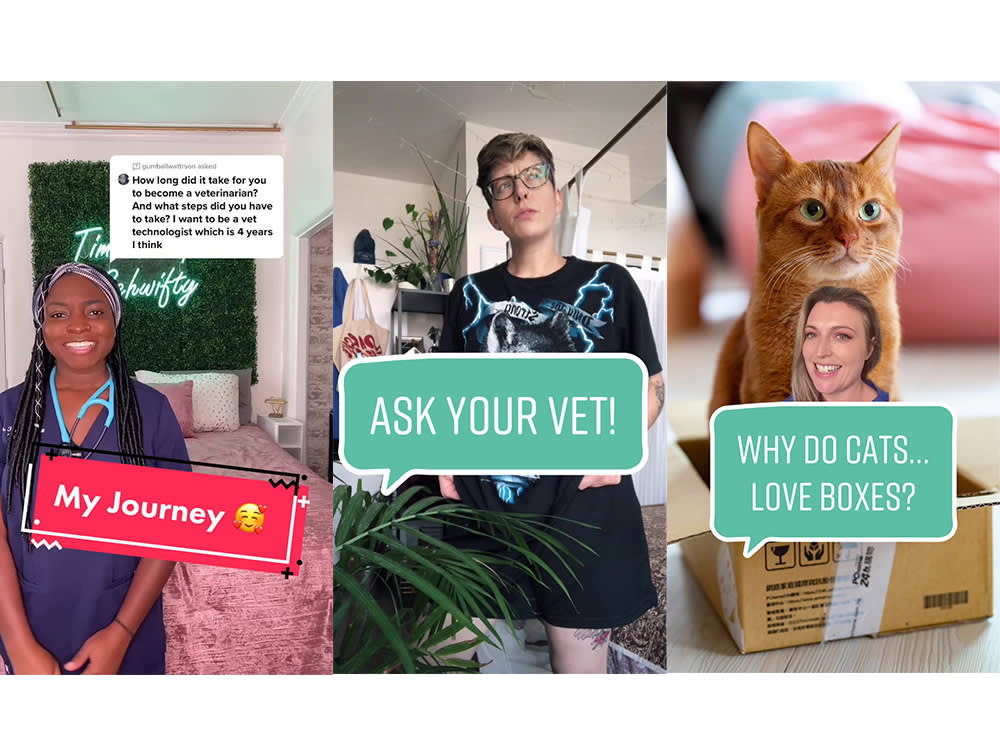 Health & WellnessDr. Google Has a Rival: 9 Vets Who Make TikTok Actually UsefulSasha Ford · 5 min
 Health & WellnessYour Dog's Flea Pill Carries a Seizure Warning. Here's the Real Risk.Dr. Priya Nair · 6 min
 Health & WellnessInsurance Won't Cover 'Holistic' Pet Care. Here's the Word That Works.Dr. Lena Park · 8 min
 Health & Wellness'Lifetime' Coverage Wasn't. Nationwide Just Dropped 100,000 Pets.Marcus Webb · 6 min
 Health & WellnessYour Vet Might Answer Your Email. Here's How Not to Get Ignored.Dr. Lena Park · 6 min