


The Vet Shortage Everyone Warned About May Not Be Coming. The Burnout Behind It Already Arrived.
For years the headline was a coming shortage of veterinarians. Newer workforce numbers complicate that story. The harder, more stubborn problem is why so many good people leave the field, and what pet parents can actually do about it.

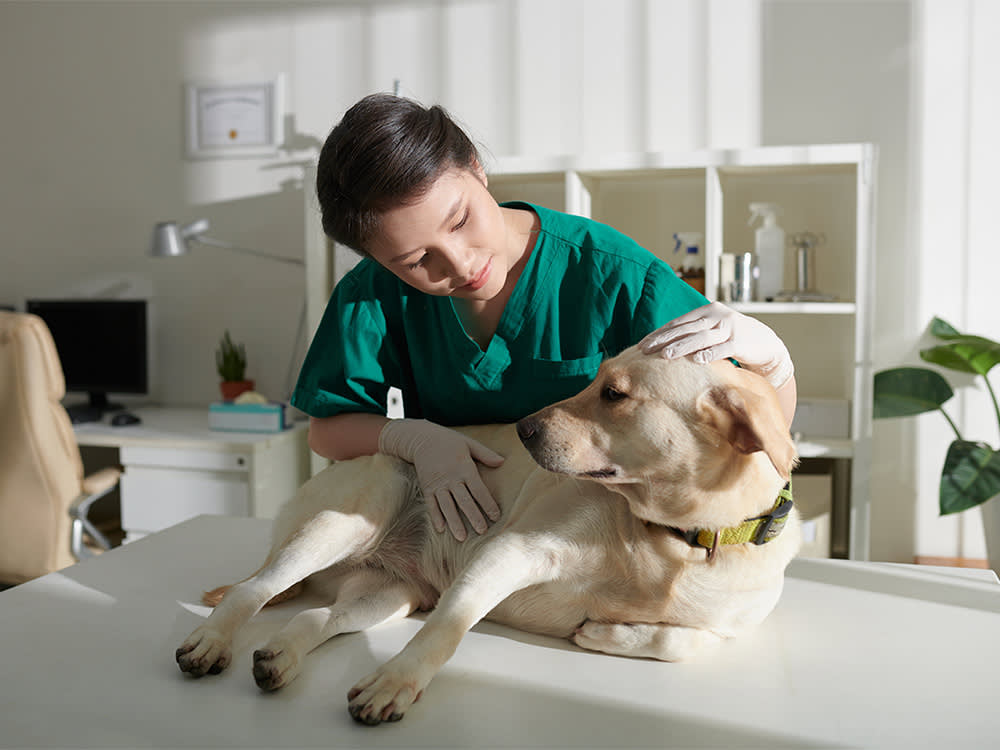
If you have tried to book a sick-pet appointment lately and been offered something a week out, or watched an emergency clinic post that it was closed to new patients for the night, you have felt the edge of a problem the veterinary world has been living with for years. For a while it had a simple name: a shortage of veterinarians. That name is easy to understand, and it may also be the least useful way to think about what is actually breaking.
The count of bodies matters. But the more honest story is about who leaves, why they leave, and how fast a clinic unravels when the people holding it together walk out. That is a harder problem than “not enough graduates,” and it does not get solved by a headline.
What the crunch actually looked like
The strain became impossible to ignore during the pandemic years, when clinics started doing things that used to be unthinkable. Emergency hospitals began turning patients away or shutting their doors for days at a stretch because they did not have the staff to keep the lights on safely. Diverting patients had once been reserved for genuine catastrophes. For a stretch it became a Tuesday.
Part of that was a demand spike. American households took in a wave of new pets during lockdowns, roughly 23 million of them by the ASPCA’s estimate, and all those animals needed first visits. At the same time, a backlog of routine wellness care piled up behind the months when clinics saw only the sickest cases. Appointment demand climbed about 4.5 percent from 2019 to 2020, then another 6.5 percent in the first half of 2021 compared with the year before.
And clinics could see fewer animals per hour than they used to. According to the AVMA’s census of veterinarians and practice owners, average productivity fell almost 25 percent in 2020 versus 2019, as curbside handoffs, extra sanitizing between rooms, and every other safety step ate into the day. More demand met slower throughput. The waiting rooms did the rest.
The problem was already there
Here is the part that gets lost when the pandemic takes all the blame: the field was already leaking people before anyone had heard of a curbside appointment. Veterinary technicians were leaving at an annual rate of 23.4 percent by early 2020, per an American Animal Hospital Association survey, one of the highest churn rates anywhere in health care. Veterinarians themselves were leaving at roughly twice the rate of physicians well before 2020.
The pandemic did not invent this crisis, it just turned the volume up so loud that the public finally heard it. We were losing technicians and receptionists faster than almost any other corner of medicine years earlier. When a wave of new patients hit an already thin bench, the whole system started to buckle in public.
When someone leaves and the practice does not replace them at the same pace, the workload does not disappear. It lands on whoever is still standing, and their days get longer and their wait times get worse, which makes the job harder to stay in, which pushes the next person out. It is a loop that feeds itself, and it does not stay contained to one clinic. When the hospital across town is short-staffed, its overflow of frustrated clients and emergencies washes into yours.
Why the work wears people down
Two forces grind at people in this field, and they compound each other. The first is the emotional weight of the work itself. The second is the economics that make it hard to absorb that weight.
The emotional side is relentless in a way outsiders underestimate. Client-facing staff, the receptionists and technicians, often take the brunt of a pet parent’s fear and anger when there is no same-day slot or the test results are bad or the recommended treatment is simply out of reach. Compassion fatigue is not a soft phrase here. One in six veterinarians has seriously considered suicide, according to reporting drawn from veterinary medical association data, and veterinarians are close to three times as likely as the general public to die by suicide. That is the backdrop against which every “why is the wait so long” phone call happens.
The economics do not cushion any of it. In some states and practices, a skilled veterinary technician earns less than the starting wage at a fast-food counter. Veterinarians earn more than their support staff but still land well below human-medicine physicians; the median veterinarian salary was just under $100,000 in 2020, while even physicians at the bottom of the pay scale took home roughly $200,000 in that same period. Layer a heavy load of veterinary-school debt on top of that salary and the math turns punishing, especially in the parts of the country where the cost of living is highest and the need for vets is often greatest.
“Passion is not a retention plan,” says Dr. Lena Park. “People do not leave this work because they stopped loving animals. They leave because the debt-to-pay ratio does not let them build a normal life, and because the days keep asking more of them than any schedule can hold. Fix the pay and the hours and you keep the people. That is most of the fight.”
What would actually help
The fixes are not mysterious, they are just expensive and structural. Better pay is the obvious start, and not only for the veterinarians. The support staff, the technicians and assistants and receptionists, are what let a clinic practice good medicine at all, and many of them are still in the field out of stubborn love rather than a livable wage. Lose them and the veterinarians cannot function.
On the debt side, real relief on veterinary-school loans would change the calculus for a lot of would-be vets who currently look at the numbers and choose a different life. And inside the clinic walls, culture matters more than it gets credit for. Practices that treat sick days and childcare and basic work-life balance as normal, rather than as a failure of dedication, hang on to their people longer, and holding on to people is the single most direct way to ease the shortage.
What you can do this week
Until the structural fixes arrive, pet parents are not powerless, and the most effective thing you can do is also the least dramatic.
Do not wait for a crisis to engage with your vet. If something seems even slightly off with your pet, book the appointment, even if the only opening is a week out, rather than hoping it resolves on its own. Early problems are cheaper, easier, and far less likely to become the 2 a.m. emergency that clogs the system for everyone. Keep up with routine and preventive visits, both because catching disease early is genuinely easier to treat and because many general practices can now only take current, established clients. If you drift away and only surface every few years when something is wrong, you may find you no longer have a vet at all.
And then there is the part that sounds too simple to matter but is not: be kind. Be patient with the person at the front desk who did not cause the wait and cannot conjure a slot out of thin air. Yelling and threats do not produce an appointment. They produce one more staff member deciding they are done, which means one fewer person to help the next sick animal through the door. The staff you are talking to have almost certainly logged more hours than they wanted and missed more meals than any job should ask of them. Assume that, and act accordingly.
What newer data adds
The tidy narrative of a looming, catastrophic shortage got more complicated recently, and it is worth knowing about. A 2023 Mars Veterinary Health report projected that the United States could need as many as 55,000 more veterinarians by 2030 and might still face a shortfall of up to 24,000 companion-animal vets even after a decade of new graduates. That figure drove a lot of alarming headlines.
Then, in 2024, a separate workforce analysis reached by way of the AVMA landed on a strikingly different conclusion: that as pandemic-era demand cooled and new veterinary colleges opened, the supply of graduates was likely enough to meet demand through roughly 2035, with no dire nationwide shortage anticipated. Both things can be partly true. The raw headcount may work out even as specific regions, rural areas, and emergency and specialty care stay painfully understaffed. Some states are also experimenting with a new mid-level role, a veterinary professional associate positioned between technician and veterinarian, to stretch the workforce further, though the profession is still debating whether that helps or hurts.
The reason this matters for you is simple. If the crisis were only a numbers shortage, it would fix itself as the graduate pipeline catches up. Because the deeper problem is retention, burnout, and pay, the access issues you feel in the waiting room can persist even in a future with “enough” veterinarians on paper. Which loops back to the one lever you actually hold: the people caring for your pet are the scarce resource. Treat them like it.
This piece describes a systemic issue in veterinary care and is not medical advice for an individual animal. For any concern about your pet’s health, contact your veterinarian.
References
Not a substitute for your vet. Our guidance is educational. For urgent symptoms, contact a vet or emergency clinic right away. Editorial standards
Dr. Mehta is a board-certified veterinary nutritionist who evaluates pet food formulations, ingredient quality, and the science behind dietary trends. He writes and reviews all nutrition content at The Pet Times, including our food rankings and feeding guides.
Meet our experts ↗Keep reading
 Health & WellnessYour Dog's Flea Pill Carries a Seizure Warning. Here's the Real Risk.Dr. Priya Nair · 6 min
 Health & WellnessDr. Google Has a Rival: 9 Vets Who Make TikTok Actually UsefulSasha Ford · 5 min
 Health & WellnessYou're Not Allergic to Your Dog. You're Allergic to a Protein, and That Changes EverythingDr. Nina Kohl · 6 min
 Health & WellnessSpaying Is One of the Best Things You'll Do for Your Pet. Insurance Mostly Won't Pay for It.Jordan Ellis · 7 min
 Health & WellnessThe Vet Says Your Pet Needs Dental Work. Here's What Insurance Actually Pays.Dr. Priya Nair · 7 min
 Health & WellnessYour Vet Might Answer Your Email. Here's How Not to Get Ignored.Dr. Lena Park · 6 min