


The Hungriest Cat in the House Might Be the Sickest
Hyperthyroidism makes an old cat look thriving, ravenous, wired, always eating, while it quietly strains the heart and kidneys. Here's how to catch it before it does real damage.

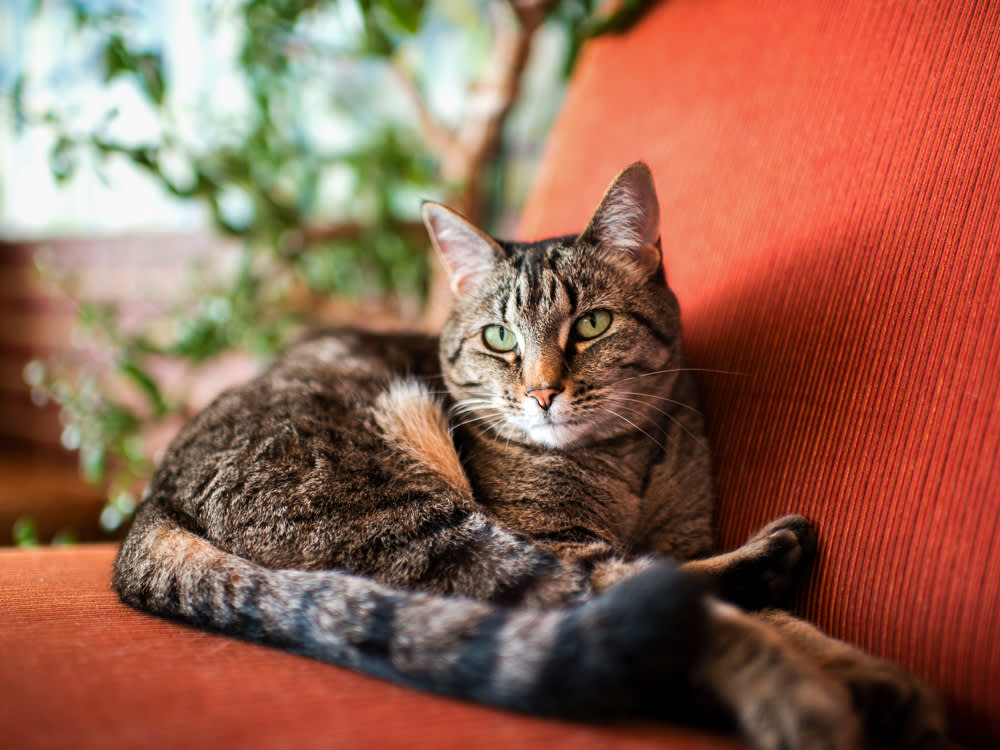
Picture a senior cat with a bottomless appetite who is somehow getting bonier by the week. The vomiting has crept past the occasional hairball. They are drinking and peeing more. And the cat who used to be a champion napper is now pacing, yowling, and bouncing around like a kitten. It reads like a cat in their prime. It is very often a cat in trouble.
That paradox, thriving on the outside while something races out of control on the inside, is the signature of hyperthyroidism, the most common hormonal disease in older cats. The good news is that it is highly treatable. The catch is that it hides in plain sight, disguised as a healthy appetite, so the whole battle is noticing it early.
Hyperthyroidism is the disease that fools loving owners, because the cat looks great, eating everything in sight. By the time the weight loss is obvious, the heart and kidneys have often been running a marathon for months. I’d rather catch it on routine senior bloodwork than wait for symptoms to get loud.
What the thyroid does, and what goes wrong
Feline hyperthyroidism comes down to the thyroid churning out too much hormone, mainly T3 and T4, usually driven by a benign (non-cancerous) growth on one or both thyroid glands. To understand why that wreaks such havoc, it helps to know the gland’s job.
The thyroid is your cat’s metabolic thermostat. Its hormones set the pace at which cells work, and that reaches almost everything: heart rate and output, body temperature, brain and nervous system function, digestion and gut motility, even skin and coat health. When the thyroid is overactive, the whole body speeds up at once. When it is underactive, everything slows, though that condition, hypothyroidism, is rare in cats.
Who gets it, and why
This is a disease of older cats, especially those over 10, and it is common. An estimated 10 to 15 percent of cats past age 10 will be diagnosed, and no breed is spared. Oddly, the incidence has been climbing since the late 1970s, and the reason for that rise is still unknown.
The root cause of the gland enlargement itself is also not fully understood. Suspects include too much or too little of certain dietary compounds, along with years of exposure to chemicals in food or the home that can disrupt the thyroid. Because we do not know the cause, there is currently no proven way to prevent it, which puts even more weight on early detection.
The symptoms to watch for
Early hyperthyroidism can be subtle, then intensify as it progresses. The tell-tale cluster is weight loss paired with a big appetite, but the fuller list is worth knowing:
- Weight loss despite eating well
- Increased appetite, thirst, and urination
- Vomiting and diarrhea
- Increased vocalization and general hyperactivity
- High blood pressure
- Heart disease
- Kidney disease, which can surface as the thyroid is treated
Any senior cat showing this combination, especially the eating-more-while-shrinking pattern, needs a vet visit, not a wait-and-see.
How vets pin it down
Several other conditions, diabetes, kidney disease, cancer, some intestinal diseases, can mimic hyperthyroidism, so diagnosis is not guesswork. Your vet will combine your cat’s history, a thorough physical exam that includes feeling the neck for enlarged thyroid glands, and blood work. The confirmation comes from measuring T4 in the blood, occasionally backed up by additional tests.
Extra bloodwork also hunts for the common travel companions of the disease, like elevated kidney or liver values. Checking for a urinary infection, elevated blood pressure, and heart trouble helps the vet decide whether your cat needs any additional medication now or down the road.
The four ways to treat it
Here is the reassuring part: there are multiple effective options, each with trade-offs, all aimed at dialing thyroid hormone back down.
1. Medication. Drugs like methimazole block thyroid hormone production. They come as pills and as a topical gel, and that gel is a lifesaver for cats who refuse tablets, since it skips the wrestling match entirely. Medication also has lower upfront costs. The downside is that it is lifelong daily management, and methimazole can trigger vomiting or, less commonly, suppress the bone marrow in a few cats.
2. Surgery. Surgically removing the thyroid glands is a permanent fix, a one-and-done cure, though a second surgery may be needed later if the other gland enlarges. The cons are real: it is a costly procedure requiring anesthesia, which carries more risk in older cats, there is a chance of damaging the nearby parathyroid glands that regulate blood calcium, and kidney function can worsen afterward, with no way to undo the surgery.
3. Diet. Because iodine is required to make thyroid hormone, a prescription diet very low in iodine can limit production. It is low-stress and cheap to start, and a real help for a cat who flatly refuses pills. But it only works if your cat eats that food and nothing else, ever, no treats, no snacks, and iodine restriction remains somewhat controversial over the long term, with ongoing research into whether it could backfire.
4. Radioactive iodine. An injection of radioactive iodine is absorbed by the overactive thyroid tissue, shrinking it and restoring normal function. It is curative, with minimal long-term management, and is often considered the gold standard. The trade-off is logistics: your cat has to stay at the hospital for a few days until their radiation level falls, and you will take some precautions at home for a couple of weeks afterward to limit your own exposure.
The complications worth respecting
Left unchecked, all that excess hormone takes a toll, which is exactly why early treatment matters. Complications include cardiomyopathy, a thickened heart muscle that can lead to a racing or irregular heartbeat and congestive heart failure; high blood pressure severe enough to cause retinal detachment, blindness, or stroke-like signs; and muscle wasting.
One complication deserves special attention: masked kidney disease. Hyperthyroidism can artificially boost blood flow through the kidneys, hiding underlying damage. As you treat the thyroid, that boost fades and the true state of the kidneys is revealed, so vets watch kidney values closely throughout treatment. Related conditions that can coexist or be confused with hyperthyroidism include diabetes, inflammatory bowel disease or GI lymphoma, and liver dysfunction.
The prognosis is genuinely good
Here is the encouraging bottom line. Caught early and treated well, hyperthyroidism has an excellent outlook. If the disease has not yet damaged the heart, if the kidneys hold up as the thyroid is managed, and if you stay consistent with treatment and rechecks, a hyperthyroid cat can live a full, normal life. The whole equation tips on that first word: early.
What’s new since this was written
The treatment landscape has firmed up in ways worth knowing. On the medication side, the FDA now recognizes methimazole-based drugs, Felimazole and Felanorm, as approved treatments for feline hyperthyroidism, and in recent years approved the first generic methimazole coated tablets, which should ease cost over the lifetime of daily dosing. Radioactive iodine remains the curative option many specialists favor when it is available and appropriate. None of this changes the core message, it reinforces it: with more accessible, well-established treatments in hand, the limiting factor is almost always how early the disease is found. Regular senior bloodwork is how you win.
References
- “Hyperthyroidism in Cats.” Cornell Feline Health Center, Cornell University College of Veterinary Medicine. vet.cornell.edu
- “Hyperthyroidism in Cats—Two FDA-Approved Drugs Available to Treat It.” U.S. Food and Drug Administration. fda.gov
- Mooney, Carmel T. “Feline Hyperthyroidism.” Veterinary Clinics of North America: Small Animal Practice, vol. 31, no. 5, 2001, pp. 963–983. sciencedirect.com
Common questions
What are the signs of hyperthyroidism in cats?
The classic combination is weight loss despite a big appetite, plus increased thirst and urination. Other signs include vomiting, diarrhea, extra vocalizing, hyperactivity, a scruffy coat, and a racing heart.
How is hyperthyroidism in cats diagnosed?
A vet combines your cat's history and a physical exam, feeling for an enlarged thyroid, with blood work. The diagnosis is confirmed by measuring T4 (thyroid hormone) levels, sometimes with additional blood tests.
Why can't you touch methimazole tablets with bare hands?
Methimazole, especially uncoated tablets or powder, can be absorbed through your skin and affect your own thyroid. Wear gloves or wash your hands well after handling it.
Not a substitute for your vet. Our guidance is educational. For urgent symptoms, contact a vet or emergency clinic right away. Editorial standards
Dr. Park is a board-certified emergency and critical care specialist. She reviews our health and safety content for clinical accuracy and contributes guides on recognising urgent conditions. Her focus is helping owners act quickly and correctly when it matters most.
Meet our experts ↗Keep reading
 Health & WellnessYour Cat Isn't Hiding That It's Sick. You Just Never Learned Its 'Normal.'Dr. Mara Chen · 6 min
 Health & WellnessYour Cat's Heart Murmur Isn't a Diagnosis. It's a Clue.Dr. Mara Chen · 8 min
 Health & WellnessYour Kitten Has Fleas. The Wrong Fix Can Be Deadlier Than the Bugs.Dr. Priya Nair · 8 min
 Health & WellnessCat Anal Gland Leaks Are a Symptom, Not the DiseaseDr. Lena Park · 8 min
 Health & WellnessYour Senior Cat's 3 a.m. Yowling Might Be DementiaDr. Priya Nair · 8 min
 Health & WellnessThose Cheeks Aren't Chub. They're Armor, and They Tell You Your Cat Is Unneutered.Dr. Lena Park · 7 min