


Breed Predicts Your Dog's Looks Almost Perfectly. Their Behavior? Barely
A landmark Science study of more than 18,000 dogs found breed explains just 9 percent of behavior, even as it nails appearance. The one trait it does predict is the exception that proves the point, and it changes how you should read any breed label.
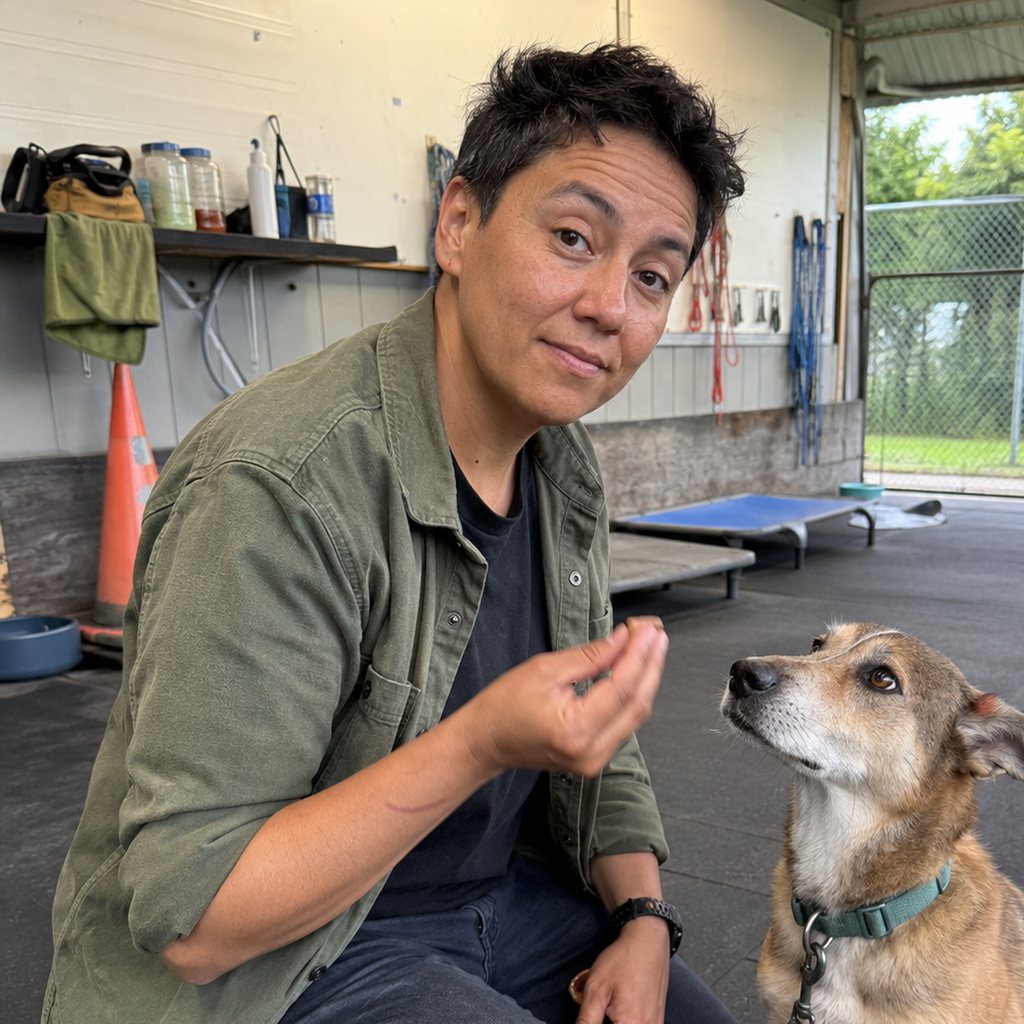
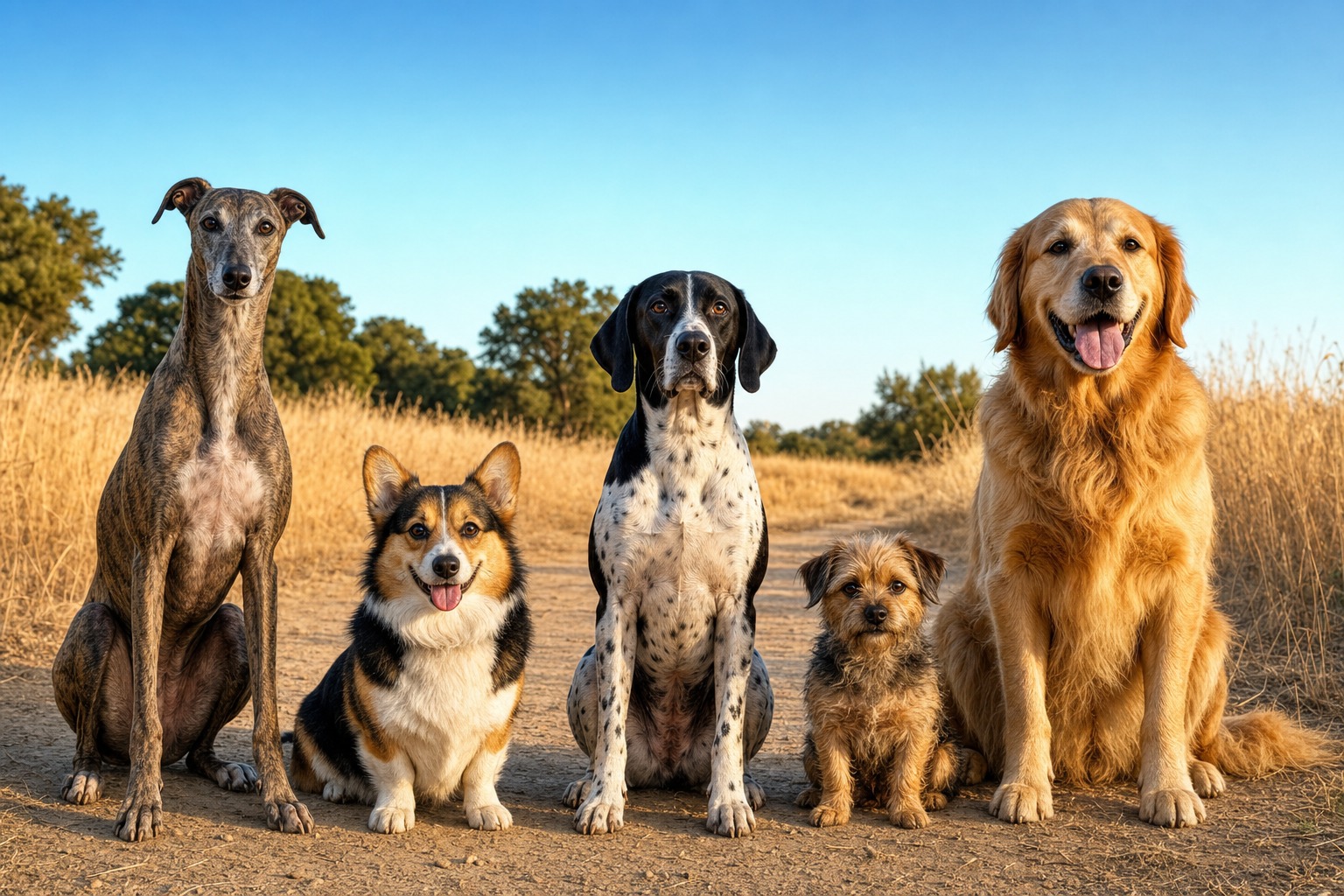
Here is the puzzle a major dog-genetics study handed us. Breed predicts what a dog will look like with remarkable accuracy, coat, size, ear set, the whole silhouette. Yet it barely predicts how that dog will act. A Labrador will reliably look like a Labrador and quite unreliably behave like the “Labrador” of the stereotype. Once you sit with that gap, the familiar shorthand, Yorkies are yappy, Pit Bulls are aggressive, falls apart, and something more useful takes its place.
The study, and the number people quote
In 2022, the journal Science published one of the largest investigations of this question ever run. Researchers, working largely from the community-science project Darwin’s Ark, gathered owner surveys covering 18,385 dogs and sequenced the genomes of 2,155 of them, then looked for where genetics and behavior actually line up.
The headline figure: breed accounts for only about 9 percent of the behavioral variation between individual dogs. Put the other way, roughly 90 percent of why your dog is your dog has nothing to do with the breed on the label. That is the stat that traveled, and it is the right one to remember.
“Dogs are a natural system for investigating the genetics of complex traits. Millions of pet dogs live in human homes, sharing our environment, and receive sophisticated medical care,” the paper notes. It was co-authored by 25 scientists, and its scale is the reason the finding carries weight that earlier, smaller surveys could not.
The exception that proves the rule
Here is the nuance the “breed doesn’t matter” summaries skip, and it is the most interesting part. Breed does not predict behavior evenly across the board. Some traits track with breed more than others, and the standout is biddability, a dog’s tendency to look to humans for direction and follow it. Of the behavioral traits studied, biddability was the most heritable by breed.
But even biddability varied enormously within every breed. A breed might raise the average tendency to take direction, and still produce plenty of individuals who are stubborn, aloof, or independent. The researchers also pinned down 11 specific spots in the genome significantly associated with behavior, confirming that genetics shapes temperament, just not along clean breed lines.
So the precise claim is not “breed is meaningless.” It is this: breed shifts the odds on a few heritable tendencies and tells you very little about the dog in front of you. Appearance is close to destiny; behavior is mostly an individual.
What actually shapes how a dog behaves
If breed is only a small slice, what fills the rest?
“Early socialization, exposure to new things, and clear training from the very start,” says Dr. Nina Kohl. “Dogs do best with fair, consistent leadership that gives them good information about their world, not punishment, and not the old ‘alpha’ nonsense. That environment shapes behavior far more than a breed label ever will.”
The data backs the emphasis on individual experience. The study also found that heritability of behavior overall sits around 25 percent, real, but a minority share, which leaves the majority to upbringing, socialization, training, and the specific life a dog has lived. And it is worth being honest about the study’s limits: much of the behavioral data came from owner surveys and self-report, which are useful at this scale but not airtight. The genetic findings are the firmer half.
Why this matters beyond trivia
The reason this is not just an interesting factoid is adoption. The study focused heavily on how dogs react to novelty, which is essentially a measure of fear and aggression, and a breed’s reputation in that category can quietly decide which dogs get homes. Pit Bull-type dogs know this well; they fill a large share of many city shelters, and a stereotype about aggression follows them despite the data. For the record, the study found Pit Bulls among the more human-sociable groups it measured, which surprises no one who has actually met one.
“Most dogs wearing a feared label would make somebody a devoted companion if anyone gave them the chance,” Dr. Kohl says. “When you judge a dog by the worst story attached to its breed, you are usually misreading the individual in front of you.”
It helps to remember how recent breed itself is. Modern breeds go back only about 160 years, a blink against the more than 10,000 years dogs have lived alongside us, and most of that recent history selected for looks rather than working jobs. Breed, in other words, is a young and largely cosmetic category being asked to predict something it was never built to predict.
The takeaway for adopting and living with a dog
Read the breed label as a rough guide to size, coat, and grooming needs, and as a near-useless predictor of temperament. When you meet a potential dog, watch that dog: how they greet you, recover from a startle, take a treat, settle. That ten minutes tells you more than the breed line on the kennel card. And whatever you bring home, the levers that shape behavior, socialization, training, and steady fair handling, are largely in your hands, not pre-written by ancestry. The science did not say breed is meaningless. It said the dog in front of you is the real story.
References
- Morrill, Kathleen, et al., “Ancestry-Inclusive Dog Genomics Challenges Popular Breed Stereotypes,” Science, 28 Apr. 2022.
- Broad Institute, “Dog Genetics Suggest That Behavior Is More Than Just Breed.”
- Darwin’s Ark, darwinsark.org.
Jordan Ellis is a certified professional dog trainer with a decade of experience working with rescue organisations and private clients. They specialise in anxiety, reactivity, and positive reinforcement methods, and review all training and behaviour content at The Pet Times.
Meet our experts ↗Keep reading
 TrainingDoes Your Dog Know How Much You Love Them? The Honest Answer Might Free You Both.Dr. Amara Solis · 5 min
 LivingStuck Inside With a Wired Dog? 9 Ways to Wear Them Out Without a WalkJordan Ellis · 5 min
 TrainingYour Dog Sniffs You at the Door Because You're the Evening NewsLeila Torres · 5 min
 Health & WellnessYour Dog Doesn't See the World. They Smell It.Dr. Ravi Mehta · 10 min
 TrainingYou Think You Can Read Your Dog's Face. A New Study Says You're Guessing.Dr. Nina Kohl · 5 min
 TrainingA Good Dog Greeting Lasts 6 Seconds. Stop Forcing the Rest.Dr. Amara Solis · 7 min