


Poinsettias Are the Holiday Plant You Fear Most and Need to Least
The poinsettia's deadly reputation is mostly a myth. The data is reassuring, and the real danger is that fearing the wrong plant lets the genuinely toxic ones slide. Here is the holiday hazard order for dogs.

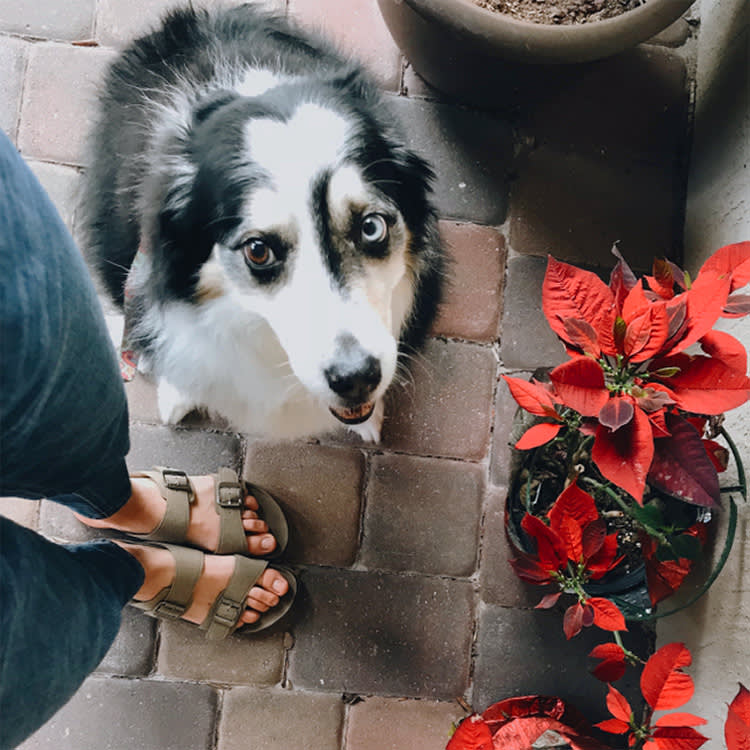
The poinsettia has the worst reputation and one of the gentlest bites of any plant in your house. Every December it gets treated like a small red bomb, and every December the data says otherwise. That gap between fear and reality would just be a fun bit of trivia, except for one thing: while everyone is busy guarding against the poinsettia, the holiday plants that can actually hurt a dog walk right past the velvet rope.
So this is not really an article about how dangerous poinsettias are. It is an article about aiming your worry at the right plant. Let’s settle the poinsettia question with the evidence, then spend the attention you free up on the holiday plants that deserve it.
What a poinsettia actually does
Poinsettias are members of the Euphorbia family, and like their relatives they produce a milky sap. That sap is the entire source of their toxicity. It contains diterpenoid euphorbol esters along with saponin-like detergents, and those compounds are irritants. When the sap contacts skin, the mouth, or the digestive tract, it inflames the tissue it touches.
For a dog, that translates into a predictable, mild picture:
- Drooling from a sore, irritated mouth as the dog chews
- Vomiting if enough sap reaches the stomach
- Diarrhea as the irritant moves through the gut
- A red, itchy rash on skin that contacts the sap, most often the muzzle and front paws, since dogs pin their “catch” with their paws while gnawing
- Eye irritation if sap gets into the eyes
It is uncomfortable, and you would rather spare your dog the experience. But every part of that list is self-limiting, and most cases resolve without any medical treatment at all. There is no organ toxin here, no delayed crisis. The poinsettia is, chemically, a mouth-and-stomach irritant and nothing more.
The data is even calmer than the chemistry
This is where the myth really comes apart. A landmark analysis of poison-center records examined 22,793 poinsettia exposures. The findings are striking: there were zero fatalities across all of them, and 92.4% of exposed individuals developed no toxicity whatsoever. The overwhelming majority were never even treated in a medical facility.
That study looked primarily at people, especially children, but it demolishes the “deadly plant” framing at the root, because the dose required for danger simply is not there in the plant. For dogs, the takeaway holds: a poinsettia is a low-severity irritant, and the realistic worst case is a bad afternoon, not a tragedy.
The poinsettia is the most over-feared plant I get calls about all year. I spend more time reassuring owners about poinsettias than treating dogs for them. My worry is the flip side: a family puts the poinsettia up on a high shelf, feels safe, and leaves the mistletoe and the amaryllis at nose height. The famous plant is the harmless one.
Now point the fear where it belongs
Here is the real reason the poinsettia myth is worth correcting. Fear is a finite resource, and when it is spent on the wrong plant, the genuinely dangerous ones get a free pass. Run the holiday lineup in actual order of risk to a dog:
- Mistletoe is one of the more dangerous holiday plants. Ingestion can cause severe gastrointestinal upset, a slowed heart rate, and a drop in blood pressure, and larger amounts are seriously toxic. The cheerful sprig over the doorway outranks the poinsettia by a wide margin.
- Amaryllis, the popular forced-bulb plant of the season, contains toxins (lycorine among them) that cause vomiting, tremors, abdominal pain, and drooling. The bulb is the most concentrated and the most tempting for a digging dog.
- Holly carries compounds in both leaves and berries that cause vomiting, diarrhea, and lethargy, and its stiff, spiny leaves can lacerate a dog’s mouth and throat on the way down.
- Lilies, common in holiday arrangements, are a catastrophic kidney threat to cats and a real GI irritant to dogs. If you have both species, a lily in the centerpiece is the single most important thing to remove.
- Poinsettia, at the bottom of this list, mild and self-limiting.
Read that ranking and the lesson lands: the plant you were told to fear is the safest one on the table, and the ones nobody warns you about are where dogs get hurt. Reorder your holiday plant safety accordingly.
What to do if your dog eats a poinsettia
Because the risk is low, you can act calmly and methodically.
If you catch your dog mid-chomp, remove the plant and lure them away with something better, then clean up every fragment so they cannot return for seconds. Wipe the sap off their mouth and paws with a damp cloth, and check the rest of the coat, since sap can spread. If it is sticky on the fur, a gentle dog shampoo or a little dish soap lifts it; keep it away from the mouth and eyes. Offer water to rinse the mouth.
If you only found a nibbled plant after the fact, still wipe the mouth and paws and then monitor. Watch for ongoing vomiting, diarrhea, refusal to eat, a very red or painful mouth or skin, or lethargy.
Call your vet if any of those persist past about 24 hours, or if your dog seems painful, will not eat, is having trouble swallowing or breathing, or is unusually lethargic, because those are not typical poinsettia signs and may point to something else, possibly a more toxic plant you mistook for a poinsettia. That uncertainty is the strongest reason to involve a professional: not because the poinsettia is dangerous, but because being sure of the plant is.
When treatment is needed at all, it is supportive, soothing the gut and the skin, and most dogs are back to normal quickly.
Prevention that covers the whole table
The most reliable approach is to keep the genuinely toxic holiday plants out of the house entirely and treat the poinsettia as the low-priority item it is. If you bring in a mixed arrangement or receive one as a gift, inspect it for the real hazards, lilies, holly, mistletoe, amaryllis, before you relax about it, and keep the whole thing behind a door your dog cannot open.
Dog-proof your space the way you would for any curious chewer, and if you are traveling for the holidays, do the same in your temporary lodging; a crate is a good way to keep a dog safe and give them a retreat when you cannot supervise. Teaching a solid “leave it” cue pays off here and everywhere else, letting you redirect a dog away from a plant, a dropped ornament, or a sidewalk find before they commit.
Genuinely safe greenery to enjoy instead
If you want festive foliage without the worry, build from non-toxic options:
- Parlor palm, a pet-safe palm that is forgiving for beginners.
- Air plants, which need no soil and are safe around pets.
- Christmas cactus, a seasonal bloomer that is non-toxic to dogs (handsome and on-theme, unlike the truly dangerous “holiday” plants).
- Orchids, dramatic, long-lasting, and harmless to dogs.
And steer clear of the heavy hitters: sago palm (severe liver toxin, often lethal), peace lily (insoluble calcium oxalates that inflame the mouth and gut), and amaryllis during the season specifically.
The bottom line
Poinsettias are mildly irritating to dogs and almost never the plant that hurts one. The real holiday danger is letting the poinsettia’s scary reputation absorb all your attention while mistletoe, amaryllis, holly, and lilies sit within reach. Confiscate chewed bits with gloves, wash up afterward, monitor for the mild stuff, and spend your genuine caution on the plants that have earned it.
References
- Krenzelok, Edward P., T. D. Jacobsen, and John Aronis. “Poinsettia Exposures Have Good Outcomes … Just as We Thought.” The American Journal of Emergency Medicine, vol. 14, no. 7, 1996, pp. 671–674. https://doi.org/10.1016/S0735-6757(96)90086-8
- “Poinsettia.” ASPCA Toxic and Non-Toxic Plants. https://www.aspca.org/pet-care/animal-poison-control/toxic-and-non-toxic-plants
- “Mistletoe,” “Amaryllis,” and “Holly.” ASPCA Animal Poison Control. https://www.aspca.org/pet-care/animal-poison-control
- “Holiday Plants With Toxic Misconceptions.” Pet Poison Helpline. https://www.petpoisonhelpline.com/blog/holiday-plants-and-pets/
Common questions
Can a poinsettia kill a dog?
It is extraordinarily unlikely. A large poison-center analysis of more than 22,000 poinsettia exposures found zero deaths, and over 92% of exposed individuals developed no toxicity at all. For dogs, the realistic worst case is an irritated mouth and an upset stomach, not a fatal poisoning. The danger to watch is mistaking a truly toxic holiday plant for a harmless poinsettia.
Which holiday plants are actually dangerous to dogs?
The ones that get less press. Mistletoe can cause severe GI upset, a slowed heart rate, and low blood pressure. Amaryllis (a popular holiday bulb) causes vomiting, tremors, and abdominal pain. Holly's leaves and berries cause vomiting, diarrhea, and lethargy, and the spiny leaves injure the mouth. Lilies in holiday arrangements are a kidney emergency for cats and a GI risk for dogs. These outrank the poinsettia by a wide margin.
What should I do if my dog eats a poinsettia?
Remove the plant and the fragments, wipe the sap off your dog's mouth and paws, and offer water. Watch for vomiting, diarrhea, drooling, or a red, irritated mouth, which usually pass on their own. Call your vet if signs persist beyond a day, your dog stops eating, seems painful, or you are not certain the plant was actually a poinsettia and not a more toxic lookalike.
Not a substitute for your vet. Our guidance is educational. For urgent symptoms, contact a vet or emergency clinic right away. Editorial standards
Dr. Mehta is a board-certified veterinary nutritionist who evaluates pet food formulations, ingredient quality, and the science behind dietary trends. He writes and reviews all nutrition content at The Pet Times, including our food rankings and feeding guides.
Meet our experts ↗Keep reading
 Health & WellnessThe Summer Weed That Burrows Into Your Dog and Doesn't StopDr. Ravi Mehta · 8 min
 Health & WellnessYour Dog Ate Your Weed. The THC Probably Won't Kill It. The Cover-Up Might.Dr. Amara Solis · 7 min
 Health & Wellness'Gently Cooked' Didn't Stop the Plastic: What the BeefiBowls Recall Means for Your DogDr. Amara Solis · 3 min
 Health & WellnessBlue Ridge Beef Keeps Getting Recalled. Here's How to Read a Raw-Food RecallDr. Mara Chen · 4 min
 Health & WellnessThe Skin-Pinch Test for Dehydration Fails on the Dogs Who Need It MostDr. Amara Solis · 8 min
 TrainingYour Dog Doesn't Need a Muzzle. Train Them for One Anyway.Dr. Mara Chen · 7 min