


The Internet's Coziest Corner Is Run by One Woman and a Lot of Sheep
Mignonette Takes Pictures turned a private mood board of whimsical animal photos into an 800,000-follower antidote to the doomscroll. Here's why it works.
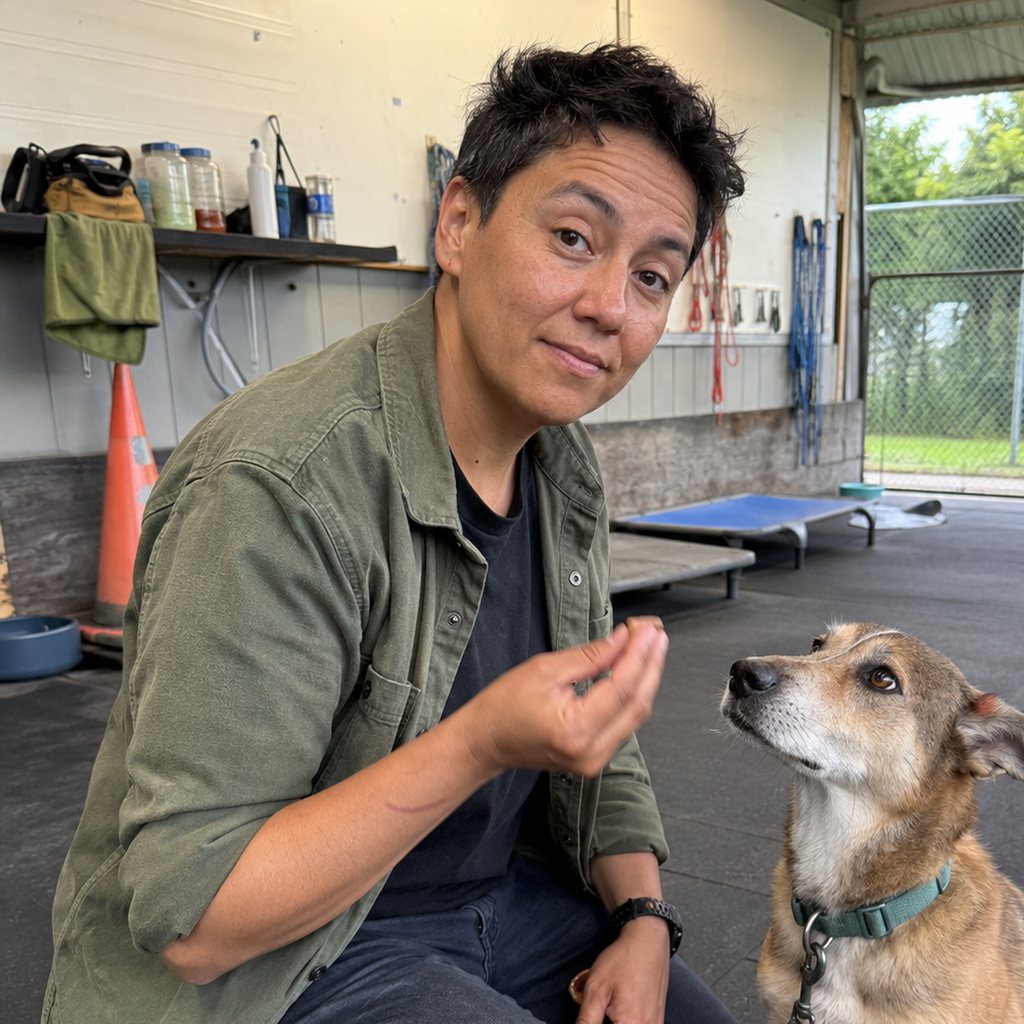
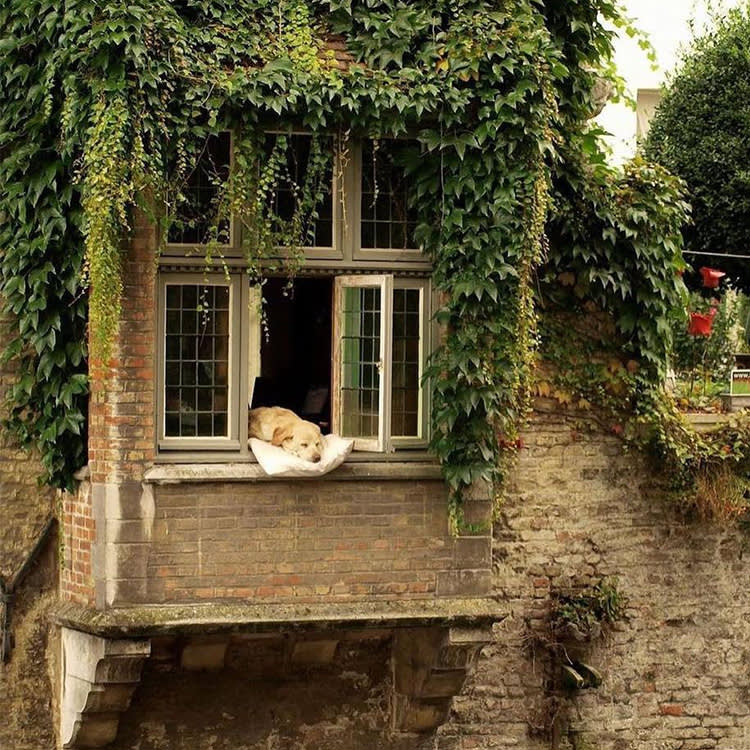
There is a specific feeling you get from certain animal accounts online, a small, involuntary softening, like your shoulders dropping an inch. Somewhere between a video of a dog sprinting into its owner’s arms at the airport and a photo of a sheep born with a perfect heart-shaped patch on its side, the day gets a little more bearable. Few accounts bottle that feeling as reliably as Mignonette Takes Pictures, and the reason it works is worth understanding, because it’s not really about the animals.
An account built like a diary, not a feed
Mignonette Takes Pictures is the creation of Joanna Mignonette, a Lisbon-based image researcher and collector, and it started as something private and low-stakes: a personal diary of sorts, a place to gather images and ideas she found inspiring, whimsical, or just quietly delightful. That origin is the whole secret. She wasn’t building a brand or chasing a niche. She was curating the things that made her feel good and, almost incidentally, discovered that a lot of other people were starving for the same thing.
The account has since grown past 800,000 followers, and it’s earned an unlikely fan base in the fashion world, where the taste level of the curation gets noticed. But strip away the follower count and it remains what it began as: one person’s running collection of small wonders, assembled with an eye that treats a goofy photo of Albert Einstein and a satisfying clip of a cream donut being pulled apart as belonging to the same emotional universe. Pets are the heart of it, reunions, oddball animal portraits, creatures being inexplicably sweet, but the feed is really a mood, not a subject.
Why cute animals actually reset your brain
It would be easy to write this off as fluff, except the effect is real and there’s a physiological reason for it. Looking at animals we find endearing genuinely changes what’s happening in our heads, and it’s not a metaphor.
“When you look at an animal you find cute, your brain doesn’t treat it as neutral input, it releases the chemistry associated with bonding and reward,” says Dr. Priya Nair. “Eye contact with a dog can nudge oxytocin up, and a steady stream of gentle, low-threat images can pull your nervous system down out of fight-or-flight. People describe it as a mood boost, but it’s closer to a small, real reset.”
That’s the mechanism doing the work in an account like this one. In a media environment engineered to keep you agitated, a feed with no stakes, no outrage, and no ask, just a heart-shaped sheep and a leaping frog, functions almost like a palate cleanser. It’s not that the content is important. It’s that it’s safe, and your brain rewards safe.
Cuteness as a discipline
Ask how she keeps finding this stuff, and the answer is both mundane and telling: she looks for it, everywhere. Mignonette has described leaning heavily on tools like Pinterest and letting the good material come to her over time, a practice more than a lucky streak. It helps that she grew up steeped in animals, a childhood family home that always had pets, from birds to cats to fish, and stretches of life spent in the countryside where animals were simply always around. These days she shares her home with two British Shorthair cats, Leo and Zoe.
The aim behind all of it is disarmingly small. Asked what she’s actually going for with the endless stream of candid animal shots and slice-of-life curiosities, her answer is a single word: a smile. And the thing that most recently made her laugh gives you the flavor of her taste, a clip of the Royal Ballet performing Beatrix Potter’s The Tale of Mr. Jeremy Fisher, in which the lead dances the part of a giant, leaping frog. Funny and surreal, she’s said, which is more or less the account’s entire ethos in five words.
That’s the quiet genius of the whole project. It isn’t trying to teach you anything or sell you anything. It’s one person who figured out that assembling small joys is a worthwhile thing to do, and that a lot of us, scrolling through a hard day, just needed somewhere to put our eyes that asked nothing back.
References
- Nittono, H., et al. “The Power of Kawaii: Viewing Cute Images Promotes a Careful Behavior and Narrows Attentional Focus.” PLOS ONE, 2012. https://journals.plos.org/plosone/article?id=10.1371/journal.pone.0046362
- Nagasawa, M., et al. “Oxytocin-gaze positive loop and the coevolution of human-dog bonds.” Science, 2015. https://www.science.org/doi/10.1126/science.1261022
Jordan Ellis is a certified professional dog trainer with a decade of experience working with rescue organisations and private clients. They specialise in anxiety, reactivity, and positive reinforcement methods, and review all training and behaviour content at The Pet Times.
Meet our experts ↗Keep reading
 LivingA $10 Service Rescues Your Pet After the Rapture. It Asks a Real QuestionJordan Ellis · 6 min
 LivingIn Gemini Season, Your Pet Contains Multitudes TooJordan Ellis · 5 min
 LivingThey Scheduled a Date Just So the Cat Could Meet the DogLeila Torres · 8 min
 Living8 Absurdly Pampered Pets, Ranked by Whether the Money Bought Them AnythingNina Vasquez · 8 min
 LivingThere's a Tree in Central Park Covered in Dead Pets. New Yorkers Made It Sacred.Leila Torres · 5 min
 LivingYour Partner Is Allergic to Your Pet. Treat It Like a Medical Problem, Not a BreakupDr. Amara Solis · 6 min