


Your Cat Needs the Vet More Than Once a Year
Cats hide illness, which is exactly why 'once a year' is a floor, not a plan. Here's how often your cat actually needs the vet at every life stage, what happens at a checkup, and what it costs.

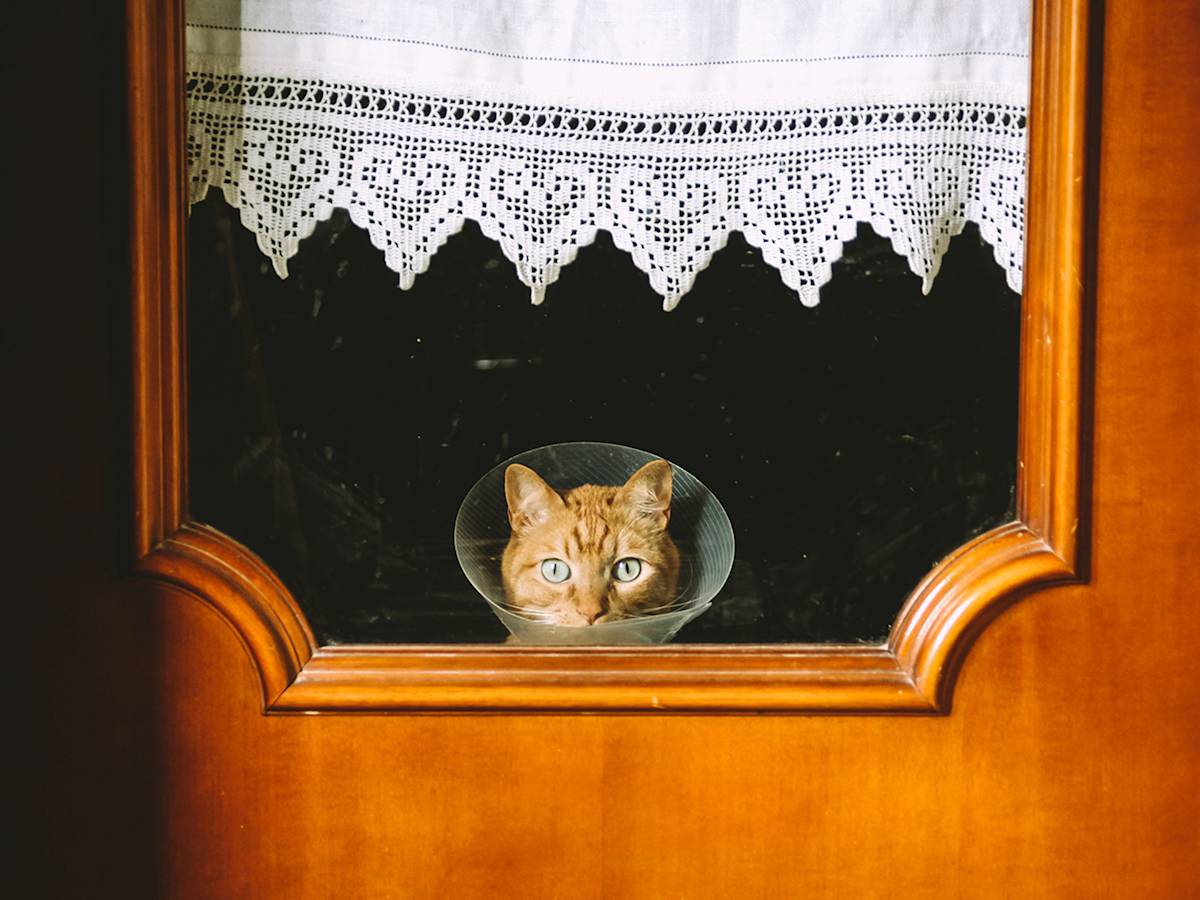
Wrangling a cat into a carrier is a contact sport, and there is no guarantee you come out unscratched. So it is no surprise that a lot of cat owners quietly downgrade the vet to a once-a-year chore, or skip it entirely when their cat “seems fine.” Here is the uncomfortable truth behind that habit: cats are undertreated precisely because we treat them like they will tell us when something is wrong. They will not. A cat that seems fine and a cat that is fine are two different things, and the gap between them is where preventable illness hides.
Once a year is not the plan. It is the floor.
How often, by life stage
The right schedule scales with your cat’s age, and it front-loads and back-loads the years when things change fastest.
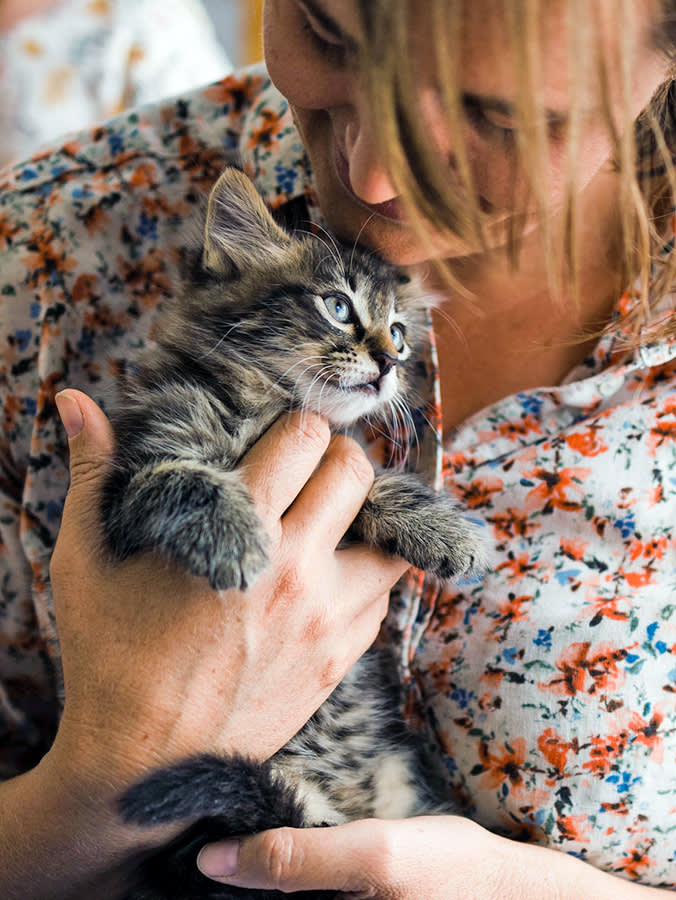
Kittens need a lot of care up front. In the first year they will come in repeatedly, not just for general exams but for a blood test for feline leukemia and feline immunodeficiency virus, a fecal test for parasites, their initial vaccines and booster series, microchipping, deworming, and spaying or neutering. These visits also let the vet confirm your kitten is hitting growth milestones and screen for congenital issues like a cleft palate, extra toes, an undescended testicle, or balance problems. All told, that adds up to roughly five visits before the first birthday.
The core vaccine schedule anchors those visits. The FVRCP vaccine, covering feline viral rhinotracheitis, calicivirus, and panleukopenia, starts around six to eight weeks and repeats every three to four weeks until about sixteen to twenty weeks, then a booster a year later and every one to three years after that depending on risk. The rabies vaccine starts around twelve to sixteen weeks, subject to local law, with a booster a year later and then every one to three years by vaccine type and legal requirement. The non-core feline leukemia vaccine, given based on lifestyle, starts around eight to ten weeks with a booster three to four weeks later, a booster a year on, and then annually for cats who go outdoors or live with a leukemia-positive cat. Even indoor-only kittens often get the leukemia vaccine in year one, in case they slip outside.
After kittenhood, adult cats settle into annual preventive care: an exam, bloodwork as appropriate, and heartworm or flea and tick prevention for cats with outdoor exposure, plus a year-one booster and subsequent boosters as scheduled. Then, as your cat ages, the frequency climbs again. Cats over about ten should be seen twice a year, because the odds of disease rise with age. Diabetes, heart disease, hyperthyroidism, arthritis, cancer, and dental disease all become more common in older cats, and twice-yearly exams give the vet a chance to catch trouble while it is still small.
Why “healthy” is not a reason to skip
It is genuinely tempting to cancel the annual visit when your cat looks great. Do not. The whole point of a wellness exam is to find the problems your cat is hiding from you.
A telling statistic: the American Veterinary Medical Association has found that only around half of cat owners make the yearly trip, far fewer than dog owners. That gap is a big reason cats so often arrive at the clinic already seriously ill. Catching a problem early, when a medical or surgical fix is far more likely to work, depends on showing up before there are obvious symptoms. And when you do notice something off, your vet is the right first call, not a search engine. Signs like diarrhea, vomiting, increased thirst, rapid breathing, or nasal discharge all warrant prompt attention, because whatever is behind them tends to get worse the longer it waits.
What actually happens at a checkup
A good visit starts with your story. The vet will ask how your cat has been eating and drinking, how their litter box habits look, and whether anything about their behavior has shifted, because you are the one who sees the day-to-day. Then comes a full physical exam covering the ears, eyes, nose, throat, teeth, and skin, a listen to the heart and lungs, an assessment of weight and condition, and a feel of the abdomen to check the organs.
From there the vet tailors things to your cat. Any due vaccines may be given based on age, lifestyle, and history. If something on the exam looks off, or your cat has reached an age where it is wise, bloodwork may be recommended. A stool sample may be requested to screen for parasites, and the vet may talk through flea, tick, and heartworm prevention.
What it costs
Prices vary by where you live, what services are involved, and whether it is a routine checkup or a sick visit, but rough benchmarks help you plan. A basic wellness exam typically runs about $50 to $100. Vaccines add roughly $20 to $40 per shot, fecal exams about $25 to $45, and bloodwork panels around $100 to $200. Dental cleanings, X-rays or other imaging, and diagnostics for a sick cat push costs up quickly, and emergency or specialty care can reach into the hundreds. The reassuring math is that routine checkups often prevent the far bigger bills, by catching issues before they become expensive to treat.
Care between visits
What you do at home between appointments matters just as much as the appointments. Because cats mask illness so well, be the early-warning system: stay alert to shifts in how your cat acts, eats, drinks, and uses the litter box, and note new hiding, extra vocalizing, or unusual aggression, which can signal pain. Learn the common feline problems, including dental disease, obesity, urinary tract infections, kidney disease, hyperthyroidism, and diabetes, since many of them first show up as a shift in thirst, urination, or appetite. Routine blood and urine screening, particularly once a cat reaches middle age and beyond, is what catches those conditions early.
Dental care deserves its own mention, since dental disease is both extremely common in cats and easy to ignore, and it can drive serious problems if left alone. Yearly dental exams and professional cleanings, supported by at-home brushing, dental treats, or water additives, go a long way.
The line I repeat to every cat owner is that a cat looking fine is not the same as a cat being fine. By the time a cat can no longer hide that something is wrong, the disease has usually had a long head start. The annual exam exists to close that gap, and for senior cats, once a year is simply not often enough.
Is pet insurance worth it?
It can be, and few owners who have actually used it regret buying it. The value is less in routine care, which is usually affordable out of pocket, and more in the accidents and illnesses that can run into thousands of dollars, where coverage can genuinely change what is possible. If you consider it, enroll while your cat is young and healthy, since many plans exclude pre-existing conditions, and compare deductibles, reimbursement rates, and exclusions carefully. Some owners prefer a dedicated savings account for vet costs instead, and that works too. The point is to have a plan before the emergency, not during it.
References
- “2021 AAHA/AAFP Feline Life Stage Guidelines.” American Animal Hospital Association and American Association of Feline Practitioners.
- Bir, C., et al. “Familiarity and Use of Veterinary Services by US Resident Dog and Cat Owners.” Animals, vol. 10, no. 3, 2020.
- “Vaccination Guidelines.” American Association of Feline Practitioners.
Common questions
My cat seems healthy. Do I still need to go?
Yes. Cats are experts at hiding illness, and an annual exam is designed to catch problems you can't see, like early kidney or dental disease. Skipping visits because your cat looks fine is exactly how those conditions go unnoticed until they're advanced.
How much does a cat vet visit cost?
A basic wellness exam usually runs about $50 to $100, with vaccines around $20 to $40 each, fecal tests $25 to $45, and bloodwork panels roughly $100 to $200. Dental cleanings, imaging, and emergency or specialty care cost considerably more.
Not a substitute for your vet. Our guidance is educational. For urgent symptoms, contact a vet or emergency clinic right away. Editorial standards
Dr. Park is a board-certified emergency and critical care specialist. She reviews our health and safety content for clinical accuracy and contributes guides on recognising urgent conditions. Her focus is helping owners act quickly and correctly when it matters most.
Meet our experts ↗Keep reading
 Health & WellnessYour Cat's Drool Is Only Cute If Your Hand Is on ThemDr. Lena Park · 8 min
 Health & WellnessBrushing a Cat's Teeth Sounds Impossible. The Trick Is to Not Brush at FirstDr. Mara Chen · 9 min
 Health & WellnessYour Pet Can't Tell You They're Sick. This Is How You Find Out First.Dr. Lena Park · 6 min
 Health & WellnessThe Vet Says Your Pet Needs Dental Work. Here's What Insurance Actually Pays.Dr. Priya Nair · 7 min
 First DaysYour Kitten Is Losing Teeth Right Now and You'll Probably Never See It HappenDr. Priya Nair · 6 min
 Health & WellnessThat Weird Jaw Jitter? Your Cat Is Hunting an Animal They'll Never Catch.Dr. Lena Park · 5 min