


Your Dog Is Limping. Here's the 48-Hour Rule.
Most limps heal with rest, but a few need a vet today. Learn the red flags that skip the wait, a safe home-care plan, and what's new in limp treatment.

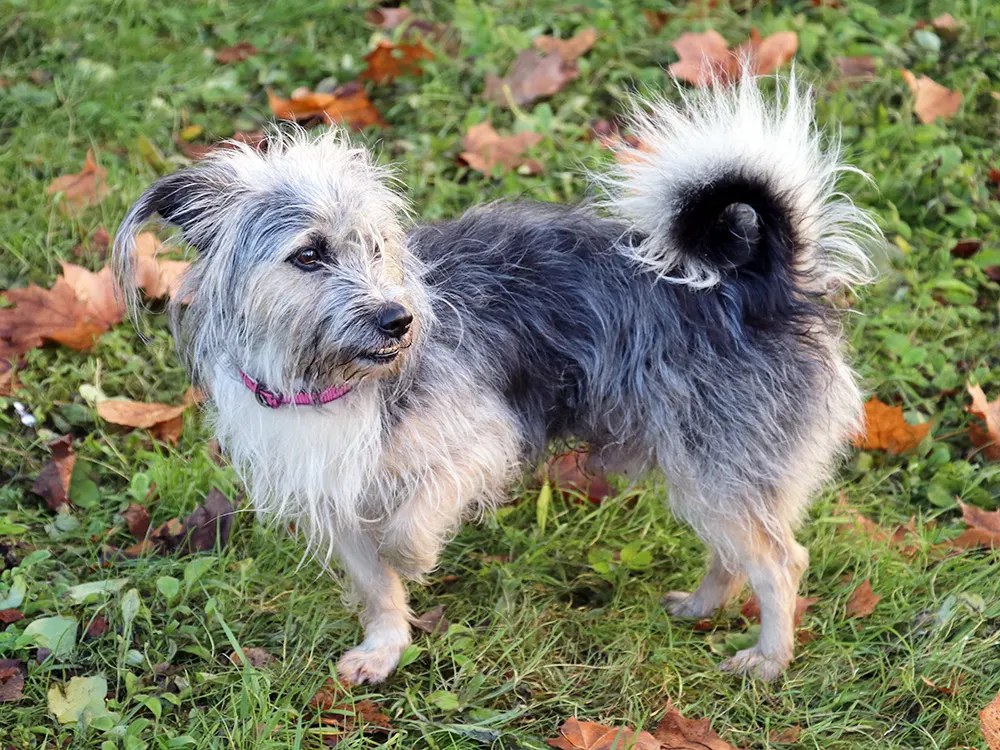
A limping dog sends most of us to one of two extremes. Either we panic and book the emergency clinic for what turns out to be a thorn, or we shrug it off for a week and let a torn ligament get worse. Both mistakes come from the same gap: not knowing which limps can wait and which ones can’t.
So before anything else, here’s the framework vets quietly use, boiled down for home: a short list of red flags that mean “go now,” and a 48-hour rule for everything else.
First: the red flags that skip the wait
Call your vet the same day, or head to an emergency clinic, if any of these are true:
- Your dog won’t bear any weight on the leg, or carries it completely off the ground.
- The leg looks visibly bent, dangling, or sits at an odd angle.
- There’s a large wound, heavy bleeding, or an area of significant swelling.
- You witnessed a real trauma: a fall, a car, a rough collision, or you heard a pop.
- The limp comes with other trouble, like a skipped dinner, unwillingness to get out of bed, or crying when touched.
- Your dog is a puppy or a senior, and the limp is more than barely noticeable.
Pain that interferes with appetite is a particularly telling sign. A dog who skips a meal over a leg is a dog in real discomfort, and serious injuries rarely improve on their own. Some get worse the longer you wait.
One more thing that belongs on the “now” list even though it isn’t about the leg: if it happened during a hot walk, check the paw pads. Burned pads from hot pavement look like limping too, and summer is their season.
No red flags? Start the 48-hour rule
If your dog has a mild limp, still puts weight on the leg, still wants dinner, and still greets you at the door, you’ve most likely got a bump, bruise, or minor strain. Those usually heal themselves, if you actually let them. Here’s the home protocol for the next two days.
Check the paw first. A surprising share of limps live between the toes. Look for cuts, swelling, redness, a torn nail, or something embedded: grass seeds, thorns, and thistle stickers are the classic culprits, and they can pierce the skin, cause an abscess, and set off obsessive foot-licking. Check the pads for burns or cracks while you’re there.
Then work up the leg. Gently feel for swelling, heat, scabs, or spots that make your dog flinch. Even if you find nothing, that’s useful information for your vet later.
Enforce real rest. This is the step most people skip. Rest doesn’t mean shorter fetch sessions; it means leash-only bathroom breaks and no stairs, sofas, or zoomies. Confining your dog to one room or a pen keeps a minor issue from being re-injured before it can heal.
Try compresses if your dog tolerates them. Alternate cold and warm compresses on the sore spot, roughly 10 minutes each, always with a towel between the compress and skin. Some dogs melt into this. Others want nothing to do with it. Don’t force it.
Do not raid your own medicine cabinet. Ibuprofen, naproxen, and acetaminophen are toxic to dogs, and the margin between “seems like a small dose” and a bleeding stomach ulcer or kidney injury is thin. If your dog seems to need pain relief, they need a vet, who can prescribe medication actually made for dogs.
At the end of 48 hours, be honest about the trend. Better or gone? You’re done. The same, worse, or coming and going? Book the appointment. A minor limp that outlasts two days of genuine rest stops counting as minor.
What’s actually causing it
Limping is one of the most common problems vets see, and the list of causes is long because a dog’s leg has a lot of moving parts. It helps to sort them into what you can usually see and what you usually can’t.
Causes you can often spot yourself
- Torn or broken toenails
- Cuts and lacerations
- Insect bites or stings
- Embedded foreign objects in the paw
- Burned or cracked paw pads
- Visible swelling from a sprain, strain, or muscle bruise
Causes that hide
- Cranial cruciate ligament tears, the dog version of an ACL injury
- Bone fractures, which aren’t always obvious in stoic dogs
- Joint dislocations and luxating patellas
- Osteoarthritis, the slow-burn limp of middle and old age
- Hip and elbow dysplasia
- Panosteitis, a growing-pains bone inflammation in young large-breed dogs
- Intervertebral disc disease
- Lyme disease and other tick-borne infections
- Bone or soft-tissue infections
- Cancer
- Nerve or vascular problems
That second list is why “I couldn’t find anything wrong” is never a reason to ignore a persistent limp. It’s a reason to let someone with an X-ray machine look.
What the vet will do
Treatment follows the cause, so the visit starts with detective work: a hands-on exam, often X-rays, sometimes blood tests for things like tick-borne disease. Anything you can report helps, especially whether you saw the injury happen, heard a pop, or noticed your dog land awkwardly.
From there, treatment ranges widely. Minor soft-tissue injuries may just get prescription anti-inflammatories and enforced rest. Fractures and full ligament tears can need surgery. Chronic conditions like arthritis are managed long-term with weight control, pain medication, and increasingly, options like physical therapy and acupuncture, which many dogs do well with as add-ons.
The single most useful thing an owner can tell me is the timeline. A limp that showed up overnight and a limp that crept in over two months point to completely different problems.
Making the next limp less likely
You can’t bubble-wrap a dog, but three habits meaningfully cut the odds.
Keep the muscles working. Strong muscles protect joints, tendons, and bones. Favor low-impact exercise, like walking, hiking, and swimming, and go easy on leaping, twisting play for puppies whose joints are still forming and for seniors whose joints are wearing.
Keep the weight down. Every extra pound loads the joints with wear and raises the odds of a serious tear when your dog torques a leg at speed. The formula is unglamorous: measured portions of good food, regular exercise, and restraint with high-calorie table scraps.
Take paws seriously. Paws touch everything your dog encounters. Check them after walks, use booties for extreme heat, cold, or rough trails, and keep pads from cracking with a paw balm when they get dry.
What’s new since this was written
The biggest recent shake-up in limp treatment involves Librela, the once-monthly injection for arthritis pain that the FDA approved in 2023 and that quickly became hugely popular. In late 2024, the FDA sent veterinarians a formal letter after reviewing reports of side effects in some treated dogs, including wobbliness, weakness, and other neurologic signs, and the maker updated the drug’s label in 2025 to reflect them. Researchers are still working out how common these problems really are, and many dogs continue to do well on it.
None of that means the drug is off the table for your arthritic dog. It means the conversation with your vet should be a real one: ask about the updated label, watch your dog closely after injections, and report anything odd. That’s true of any long-term pain plan, new or old.
References
- Dear Veterinarian Letter notifying veterinarians about adverse events reported in dogs treated with Librela (bedinvetmab injection). U.S. Food and Drug Administration. December 2024.
- FDA: Adverse events in dogs reported with monoclonal antibody drug. American Veterinary Medical Association. 2025.
- Cabon, Q., et al. “Observational Study on Lameness Recovery in 10 Dogs Affected by Iliopsoas Injury and Submitted to a Physiotherapeutic Approach.” Animals. February 2021.
- Scharvogel, Stefan. “Beyond the limp: the art and science of diagnosing and treating canine lameness.” AO Foundation (AO VET). December 2024.
Common questions
Can I give my dog ibuprofen or Tylenol for a limp?
No. Human pain relievers like ibuprofen, naproxen, and acetaminophen can cause stomach ulcers, kidney failure, or liver damage in dogs, sometimes at surprisingly small doses. If your dog seems painful enough to need medication, that's a sign they need a vet visit, not a pill from your cabinet.
Why is my dog limping but showing no sign of injury?
Plenty of limp causes hide from view: a grass seed or thorn lodged between the toes, arthritis, hip or elbow dysplasia, a partial ligament tear, panosteitis in growing dogs, or tick-borne disease like Lyme. If you can't find anything and the limp lasts more than a couple of days, let your vet look deeper.
Will a dog's limp go away on its own?
Often, yes. Minor strains, bruises, and small paw irritations usually improve within a day or two of genuine rest. A limp that is severe, getting worse, or still there after 48 hours of rest needs a veterinary exam.
Not a substitute for your vet. Our guidance is educational. For urgent symptoms, contact a vet or emergency clinic right away. Editorial standards
Dr. Nair is a veterinarian focused on diet and feeding. She covers everyday nutrition, treats, and the many "can they eat this?" questions owners ask, grounding each answer in what is actually safe and sensible for dogs and cats.
Meet our experts ↗Keep reading
 Health & WellnessA Red Eye Isn't a Symptom. It's a Countdown.Dr. Amara Solis · 10 min
 Health & WellnessYour Dog's Squint Isn't a Smile. Count the Eyes.Dr. Mara Chen · 7 min
 Health & WellnessWhen an Old Dog's Bark Goes Hoarse, It's Rarely Just a Sore ThroatDr. Lena Park · 7 min
 Health & WellnessBlood From Your Dog's Rear: How to Read It in the First 60 SecondsDr. Priya Nair · 8 min
 Health & WellnessThe Worm You Can See Isn't the One That KillsDr. Amara Solis · 7 min
 Health & WellnessYour Dog's Poop Is a Daily Health Report. Here's How to Read ItDr. Lena Park · 8 min