


When Your Dog Turns to Stone on a Walk, Don't Pull. Read It.
A dog who plants and freezes mid-walk isn't being stubborn or dramatic. Freezing is one of the four ways dogs handle fear, and it's the one owners are most likely to misread.

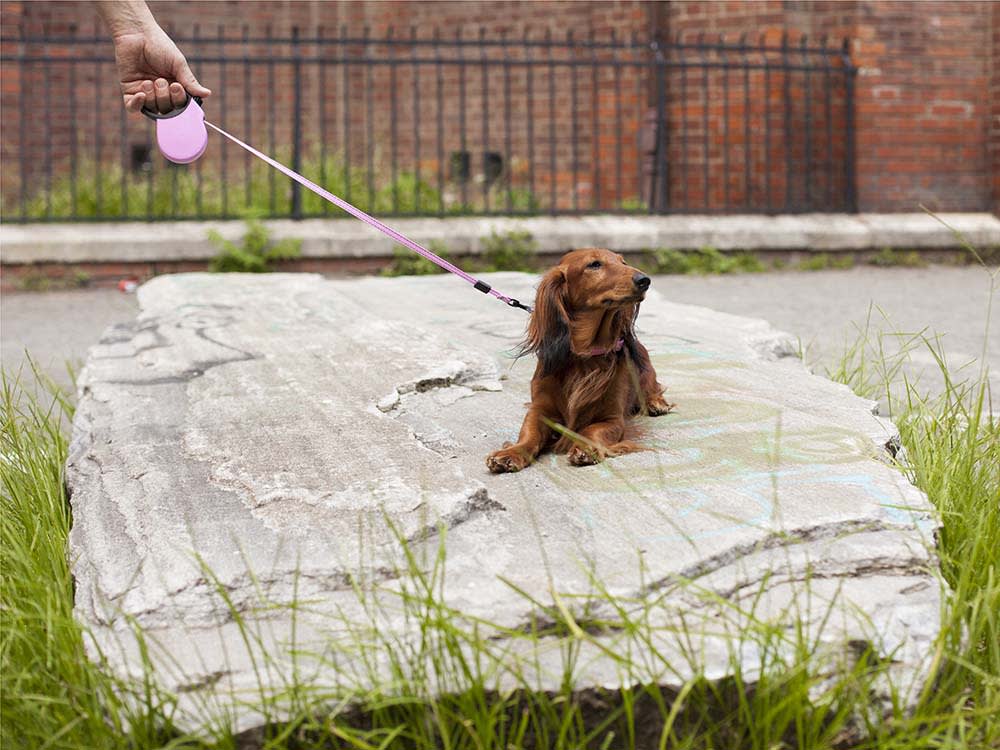
You’re halfway down the block when it happens. Your dog stops dead, plants all four feet, and becomes a small furry statue installed on the sidewalk. You tug. Nothing. You coax. Nothing. To a passing neighbor it looks like a battle of wills. It isn’t. Your dog just told you something important, and most people pull the leash right over the top of the message.
Freezing on walks is common, and it’s rarely about stubbornness. To fix it, you have to understand what freezing actually is, why it happens, and why the instinctive human response, pulling harder, tends to make it worse.
Freezing is a fear response, not a personality flaw
When a dog feels threatened or uncertain, they don’t just fight or run. Behavior specialists describe four possible reactions, sometimes called the four Fs: fight, flight, freeze, and fidget (or “fooling around”). Everyone knows fight and flight, the stand-your-ground or bolt-for-it responses you can see in humans and animals alike. The other two are quieter and easier to misread.
Fidgeting is displacement: a dog faced with something new and slightly scary might suddenly get goofy, hop around, or bark at the unfamiliar thing, burning off tension. Freezing is the opposite gear. The dog goes still and leans on stillness to stay safe, like a deer caught in headlights, buying a moment to size up the situation. Has the threat passed, or is it still lurking nearby? Until the dog reads the coast as clear, they simply won’t budge.
Sometimes the freeze is so fast you never notice it, a momentary hitch before your dog moves on. It only becomes a “problem” when the dog gets stuck there.
What your dog might be reacting to
The frustrating part is that you often can’t see the trigger, because your dog’s senses run laps around yours. That nose, those ears, and that field of vision are picking up things you have no access to. Your dog might smell a dog they’ve clashed with before, hear another animal barking two streets away, or spot a person in a hoodie who resembles someone from a bad past experience. From the outside it looks like your dog froze at nothing. From inside their head, there was plenty.
Not every freeze is fear, though, and it’s worth running through the plainer possibilities too. A dog might stall because they’re tired and want to head home, because they’re thirsty, because their paws hurt on hot or rough ground, or because they simply want to go a different way than you do. And here’s a sneaky one: freezing can be learned. If your dog stops, and you fish out a treat to lure them forward, a clever dog quickly figures out that freezing produces snacks. Stop paying for the freeze and it often fades.
When to stop training and call the vet
This is the piece the old advice tends to skip. If your dog’s freezing is new, sudden, or getting worse, don’t assume it’s purely emotional. A dog who suddenly balks at walking, or freezes and won’t put weight down, may be in pain. Orthopedic issues, a paw injury, or a back or joint problem can all show up as a dog who stops and refuses to move, and no amount of confidence-building will fix a body that hurts. Sudden-onset freezing, freezing paired with limping or reluctance to use stairs, or freezing alongside other new behaviors all warrant a vet visit first. Rule out the physical, then work on the emotional.
Signs that the fear itself is severe enough to bring in a professional include a tucked tail, trembling, darting from spot to spot, and stress urination. If you’re seeing those regularly, a qualified veterinary behaviorist or trainer can help you find the triggers and rebuild your dog’s confidence safely.
The worst thing you can do with a frozen dog is drag them through the thing that scared them. People think they’re showing the dog there’s nothing to fear, but the dog just learns that the scary place also comes with being hauled around by the neck. You build far more trust by letting them opt out, then working up to the trigger slowly, than you ever will by winning a tug-of-war.
The fix is confidence, and it’s a long game
The real solution to fear-based freezing is building your dog’s confidence, either in you, in the outside world, or usually both. That takes time, and how long depends on how deeply rooted the fear is, so patience is part of the treatment, not a nice-to-have.
Start by turning detective. Keep a simple walk diary and look for patterns. Is there a particular route your dog hates? A specific sound that sets them off? Do they freeze more at night than during the day, or more with one family member than another? Once you can see the pattern, you can build walks that route around the triggers instead of marching into them. Why stress your dog out for no reason? Confidence grows much faster when a dog isn’t already braced for something scary before they’ve even left the house.
Above all, don’t force your dog to walk toward something they’re frightened of. Rerouting around the scary thing earns you far more trust than muscling them past it ever will. Even something as small as crossing the street tells your dog that you heard their discomfort and took control of the situation, which is exactly what a nervous dog needs from their person. As that trust builds and the freezing eases, you can start gently and gradually working on the source of the fear itself.
Dogs live in the moment. When one freezes, they’re doing it for a reason that makes sense to them right then. Your job isn’t to win the standoff. It’s to figure out the reason and address it, so that walks go back to being what they’re supposed to be for both of you: a good way to move, sniff, and spend time together.
Dr. Solis is a board-certified veterinary dermatologist with over twelve years of clinical experience. She advises on skin conditions, allergies, and grooming practices that affect coat and skin health. All dermatology and allergy content at The Pet Times is reviewed by her team before publication.
Meet our experts ↗Keep reading
 TrainingNever Punish a Dog for Showing Teeth. It's the Warning You Want.Dr. Nina Kohl · 8 min
 TrainingStop Telling Yourself Your Dog Was AbusedDr. Nina Kohl · 8 min
 First DaysYour Puppy Isn't Manipulating You. Stop Letting Them Cry It Out.Dr. Nina Kohl · 6 min
 TrainingYour Dog Isn't Shy at Your Party. Six Signs They Want Out.Dr. Lena Park · 8 min
 TrainingYour Dog Isn't Annoyed by the Siren. There's a Wolf Answering It.Dr. Mara Chen · 6 min
 TrainingThe 'Guilty Dog' Face Is Real. Guilt Has Nothing to Do With ItDr. Ravi Mehta · 6 min