


The Shelter Crisis Is Really a Cost-of-Living Crisis
Shelters are overflowing not because of a pet-overpopulation problem but because of a human-affordability one. Rent, vet bills, and a shortage of pet-friendly housing are the real drivers, and the 2024 data shows where it's hitting hardest.

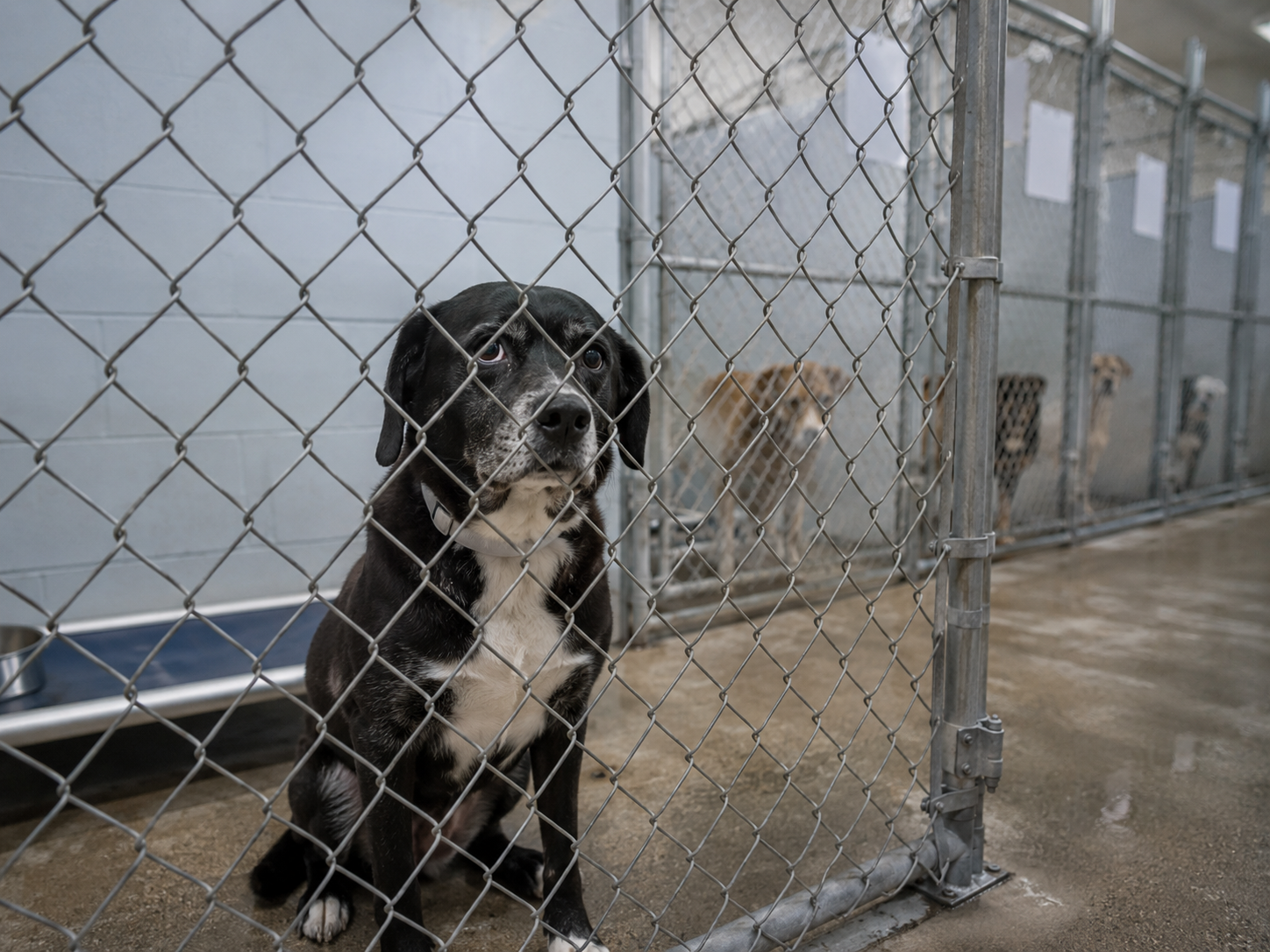
It is tempting to read an overcrowded shelter as a pet problem: too many animals, not enough homes. That framing is comforting because it points the finger at irresponsible breeding or careless owners, somewhere out there. But the data tells a different and more uncomfortable story. The animals filling American shelters are a lagging indicator of something happening to people, not pets. When rent climbs, when a vet bill lands at the wrong moment, when the only apartment a family can afford bans their dog, the consequences land in a kennel. The shelter crisis is, at its root, a cost-of-living crisis.
The numbers, and where they’re actually moving
The pandemic produced a wave of record adoptions, but the surge reversed as inflation rose and people returned to offices. According to Shelter Animals Count, the national database that aggregates data from thousands of organizations, the number of dogs entering shelters climbed sharply after 2021, and the bottleneck has only tightened since.
The most recent picture sharpens the point. In the database’s 2024 year-end data, total intake actually ticked down slightly from 2023, which on its face sounds like relief. It was not. Dog adoptions kept falling, down about 1 percent from 2023 and roughly 13 percent since 2019, so animals are coming in at similar rates but leaving more slowly. The result is a backup: dogs are staying in care longer, large dogs longest of all, and shelter euthanasia rose to about 9.4 percent of intake, up from 8 percent the year before. In other words, the crisis is not primarily about more animals arriving. It is about fewer leaving, and about space and resources running out while they wait.
That distinction matters, because it means “just adopt, don’t shop” messaging, while well-intentioned, is treating a symptom. The reason adoptions stall is the same reason surrenders rise: money.
Money is the through-line
“Animal shelters generally reflect what is happening to people in a community, and where there is food insecurity,” Stephanie Filer, executive director of Shelter Animals Count, told CBS News. When household budgets break, pets are often the first dependent a family can no longer afford.
Inflation has driven up the cost of everything an animal needs, from veterinary care to food. Pet-food prices have at points outpaced the broader consumer price index, putting some owners in the position one shelter worker described to TIME: choosing between feeding themselves and feeding their pet. Veterinary costs have risen even faster than general inflation in recent years, turning a routine illness into a surrender-or-go-into-debt decision.
The most overlooked driver, though, is housing. A shortage of pet-friendly rentals quietly forces some families to give up animals they love and discourages would-be adopters before they start. Even where pet-friendly buildings exist, they tend to cost meaningfully more, through higher rent, pet rent, and deposits, and the share of housing that allows pets has lagged demand for years. For a renter on a tight budget, “we found a place, but it doesn’t take dogs” is the end of the conversation.
Breed-specific housing restrictions narrow the funnel further. Policies that bar certain dogs, most often Pit Bulls and Pit Bull-type dogs, mean some of the hardest-to-place shelter animals are also the ones the most renters are forbidden from adopting, which is part of why large dogs now linger longest in care.
What actually helps
Because the cause is affordability, the most effective help is the kind that keeps pets in the homes they already have, not just the kind that empties kennels.
The single highest-leverage thing most people can offer is fostering. Taking a shelter animal into your home for a few weeks directly relieves the space crunch that is now driving euthanasia, and it is free to do. Donations keep food banks and low-cost vet programs running, which is what prevents surrenders in the first place. Volunteering stretches a short-staffed shelter’s capacity. And if you are in a position to adopt, a long-stay large dog is exactly the animal the current numbers say needs you most.
If you are the one struggling, the resources exist and are worth finding before you reach the point of surrender. Many communities run free or low-cost pet-food pantries, and a growing number of nonprofits help cover veterinary bills, spay/neuter, and emergency boarding for owners in a temporary crunch. Asking for that help early is often the difference between a rough month and a permanent goodbye.
The dogs and cats in shelters did not create this crisis, and they cannot fix it. The people who can are the ones who recognize what the kennels are actually measuring.
References
- “U.S. Animal Shelter Statistics.” ASPCA. https://www.aspca.org/helping-shelters-people-pets/us-animal-shelter-statistics
- Shelter Animals Count. “2024 Statistics.” https://www.shelteranimalscount.org/explore-the-data/statistics-2024/
- Shelter Animals Count. “SAC Releases 2024 Year-End Report.” https://www.shelteranimalscount.org/sac-releases-2024-year-end-report/
- “Animal Shelters Overwhelmed by Abandoned Dogs.” CBS News. https://www.cbsnews.com/news/animal-shelters-overwhelmed-by-abandoned-dogs/
James Okafor covers rescue, adoption, and the causes shaping animal welfare. His work follows the people and organisations working to give more pets a home, and the issues owners and advocates care about most.
Meet our experts ↗Keep reading
 LivingQueer Eye Is Over. The Pets Outlasted the Fab Five.Sasha Ford · 5 min
 LivingCharlotte's Two Dogs Are the Most Damning Thing in "Sex and the City"Nina Vasquez · 6 min
 LivingPeople Don't Surrender Pets Because They Stopped Loving ThemLeila Torres · 8 min
 LivingLess Than 1% of America's Cemeteries Are for Pets. These 6 Are Worth the Trip.Leila Torres · 7 min
 LivingBroadway Barks Rehomed 2,000 Animals by Hijacking Actors' One Daily BreakNina Vasquez · 4 min
 LivingAdoption Checklists Ask If You Want a Pet. That's the Wrong Question.Leila Torres · 9 min