


Blood in Your Dog's Pee: What the Color, Timing, and Stream Are Telling You
Bloody urine always means a vet visit, but the details around it, whether your dog is straining, whether they're male or female, whether they can pee at all, point toward the cause. Here's how to read the clues and what treatment looks like.

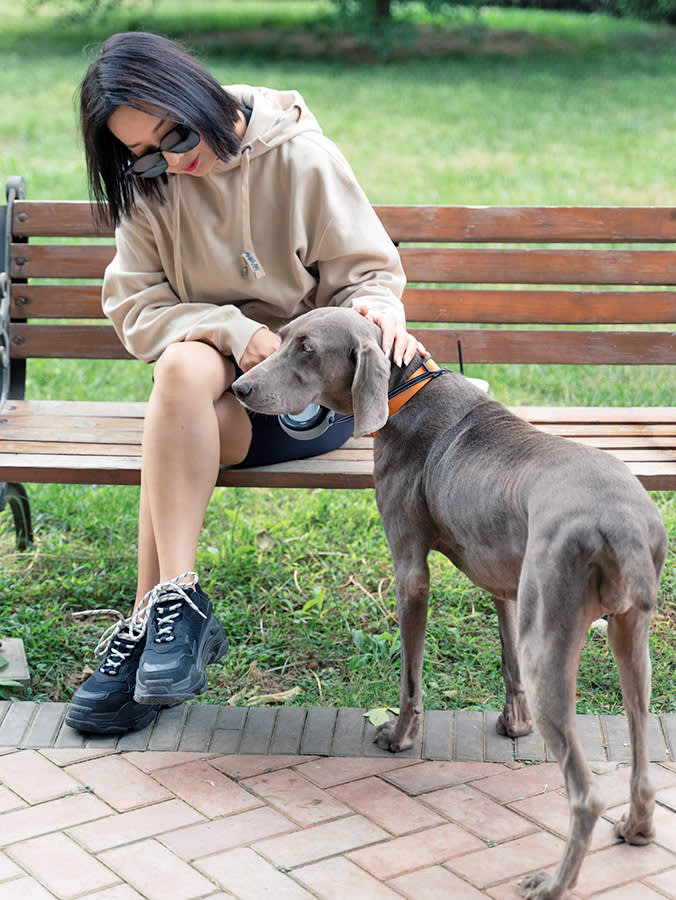
Blood turning up anywhere it shouldn’t is alarming, and the urine, which vets call hematuria when there’s blood in it, is no exception. But here’s the useful reframe: bloody pee is a symptom, not a diagnosis, and the clues surrounding it do a surprising amount of the detective work. Is your dog straining or peeing freely? Male or female, neutered or intact? Young or a senior? Passing a normal stream or only a few drops? Before you panic, learn to read those signals, because they’re the difference between “call in the morning” and “go now.”
First, the one non-negotiable: this is a vet visit
If your dog has blood in their urine, your vet needs to know. Because life is inconvenient, it’ll often start on a weekend or in the middle of the night, and you’ll be left wondering whether it can wait.
Here’s the rule of thumb. If your dog is otherwise themselves, eating, drinking, and behaving normally, it’s usually okay to wait until your vet is open. But some signs override the clock: a dog who can’t empty the bladder and is squeezing out only a drop or two, who is clearly hurting, or who is also vomiting or going weak needs to be seen right away, day or night. Straining with nothing coming out is the one that worries vets most, because a genuine blockage can turn life-threatening within hours.
With that settled, let’s read the clues.
The clues that point toward a cause
Certain traits make certain causes far more likely, which is why your vet asks so many questions.
A urinary tract infection is often the first suspect, especially in a female dog. A UTI takes hold when microbes that normally live on the skin or in the surroundings, usually E. coli, Enterococcus, or Staphylococcus, travel up into the bladder. The telltale cluster is bloody urine plus frequent urination, straining, foul-smelling pee, and licking at the genitals. Females run into them more often: a shorter, wider urethra hands those microbes a quicker trip inside. Treatment is a course of antibiotics and pain control, sometimes guided by a urine culture that identifies the exact bacterium and the best drug to hit it.
Bladder stones (uroliths) are hardened mineral deposits, usually struvite, calcium oxalate, or urate, that collect inside the bladder over time. Why one dog grows them and another doesn’t is often unclear, though how concentrated the urine is and where its pH sits both matter. Their jagged edges scrape the bladder wall and they can harbor bacteria, so they cause bloody urine, straining, and painful peeing. If a dog can still pee comfortably, a prescription diet may dissolve certain stone types. If a stone is blocking the flow, that’s more urgent and may need surgery.
Kidney disorders change the urine because the kidneys are where urine is made. Infection, trauma, and age-related decline can all be behind it. The signs tend to be vague, bloody urine alongside increased drinking and urinating, vomiting, and lethargy. Fluid therapy is central to treatment, with additional medications depending on the cause.
Prostate problems are a male-dog story, and intact (unneutered) males are at higher risk as they age. Prostate disease can be infection, benign enlargement, cysts, or cancer, and it shows up as bloody urine, straining, a weak stream, belly pain, and a stiff gait. Treatment ranges from neutering to antibiotics to chemotherapy, depending on the exact problem.
Clotting disorders let bleeding happen in the urinary tract, and they can stem from rat-bait poisoning, low platelets, severe liver disease, or a congenital condition. Often the first sign is unexplained bleeding or bruising anywhere, and sometimes bloody urine is the tip-off. Caught early, rat-bait toxicity is treatable; other causes may need long-term management.
Cancer is a real concern, particularly in a senior dog peeing blood. The most common bladder cancer in dogs is transitional cell carcinoma (TCC), which arises in the cells lining the bladder and causes bloody urine, straining, frequent urination, and belly pain. How it’s treated hinges on where the tumor sits and how large it is, and the toolkit spans surgery, radiation, and chemotherapy.
Trauma, especially blunt force to the kidneys or bladder, can cause hematuria, and initial care focuses on shock and pain before supportive treatment while the urinary tract heals.
How your vet actually finds the answer
Bring your dog in for bloody urine and the visit tends to follow the same arc until answers appear.
It starts with history and a physical exam, where your vet checks for dehydration, belly pain, and other physical clues, and asks when you first noticed the blood and whether anything else has changed, like accidents in the house or a drop in energy or appetite.
Next comes a urinalysis, the workhorse test. A sample, caught midstream or drawn straight from the bladder, can reveal crystals, bacteria, and abnormal cells. If a UTI is suspected, a urine culture pins down the species and the most effective antibiotic.
Blood work paired with the urinalysis evaluates kidney function and can flag systemic infection, organ disease, or clotting problems.
Imaging rounds it out. X-rays hunt for bladder stones, though not every stone type shows up. Pairing X-rays with ultrasound lets the vet gauge the dimensions and contours of the kidneys, ureters, prostate, and bladder, and flag any tumors or cysts.
What’s new: better odds against bladder cancer
The word “cancer” lands hard, so here’s a genuinely encouraging update. For transitional cell carcinoma, the most common canine bladder cancer, treatment has kept improving. The current mainstay pairs the anti-inflammatory piroxicam with the chemotherapy drug vinblastine, a combination that research has shown works better together than either alone, and it’s a common first-line choice at leading veterinary cancer centers. A 2025 review in Frontiers in Veterinary Science reflects that these established protocols, combined with earlier detection, mean many dogs diagnosed with bladder cancer can hold onto a good quality of life for up to two years. That’s not a cure, but it’s a far cry from the hopelessness the diagnosis once carried.
The practical lesson folds back into the theme of this whole piece: the earlier the blood is investigated, the more options your dog has.
How to lower the risk going forward
You can’t prevent every urinary problem, but you can stack the deck.
Keep the water flowing. Hydration supports kidney function, so make fresh water easy to reach and encourage drinking in warm weather and after exercise.
Consider a targeted diet. A dog with a track record of stones or chronic kidney disease often does better on a prescription formula built to nudge urine pH or lighten the load on the kidneys.
Offer regular bathroom breaks. Holding a full bladder too long can invite infection, so keep a consistent potty schedule.
Keep the area clean. Trimming and bathing to keep the fur around the genitals short and clean matters especially for female dogs, who are more UTI-prone.
Talk about neutering. Intact males are more likely to develop prostate conditions like benign prostatic hyperplasia, prostatitis, and cysts.
Don’t skip check-ups. Routine visits catch urinary problems early, before they become the reason for a panicked weekend call.
The thing I most want owners to hear is that bloody urine is your dog’s early-warning system doing its job. Almost everything on the list of causes has a better ending when we catch it early, so the worst move is to watch it for a week and hope it clears on its own.
Watch these, and call if they change
You may feel a little awkward staring at your dog mid-squat, but this is genuinely useful surveillance. Keep an eye on urine color, odor, and stream; how often they go; whether they seem comfortable; any house soiling; and their food intake, water intake, and energy. If any of these shift, get veterinary advice.
Bloody urine in dogs can signal something as manageable as a UTI or as serious as cancer, and the only way to know which is a proper workup: a physical exam, urinalysis, and the right follow-up testing. If you see the signs, make the call.
References
Common questions
Can I treat my dog's bloody urine at home?
No. Once there's visible blood, home remedies aren't the answer. The cause could be anything from a UTI to bladder stones to cancer, and each needs a different treatment your vet has to identify first.
Why is my female dog more prone to UTIs?
Female dogs have shorter, wider urethras, which gives bacteria an easier path into the urinary tract. That's why a UTI is often the first suspect when a female dog is peeing blood.
Not a substitute for your vet. Our guidance is educational. For urgent symptoms, contact a vet or emergency clinic right away. Editorial standards
Dr. Solis is a board-certified veterinary dermatologist with over twelve years of clinical experience. She advises on skin conditions, allergies, and grooming practices that affect coat and skin health. All dermatology and allergy content at The Pet Times is reviewed by her team before publication.
Meet our experts ↗Keep reading
 Health & WellnessThere's Nothing in Your Medicine Cabinet That Helps a Dog in PainDr. Lena Park · 10 min
 Health & WellnessParvo in Dogs: Two Levers Decide Whether Your Puppy LivesDr. Priya Nair · 7 min
 Health & WellnessYour Dog's Cough Has a Sound. Learn to Read It Before You Panic.Dr. Ravi Mehta · 9 min
 Health & WellnessThe Worm You Can See Isn't the One That KillsDr. Amara Solis · 7 min
 Health & WellnessA Dog Who Keeps Shaking Their Head Is on a ClockDr. Priya Nair · 8 min
 Health & WellnessYour Dog's Poop Is a Daily Health Report. Here's How to Read ItDr. Lena Park · 8 min