


Stop Buying Grooming Products by the Brand Story. Buy by Your Pet's Skin
Pet grooming is barely regulated, so 'natural' on the bottle means nothing. Match the formula to your pet's actual coat and skin, with vet- and groomer-backed picks for each situation.

Affiliate disclosure. This article contains affiliate links. We may earn a small commission if you buy through a link, at no extra cost to you. How we handle recommendations.
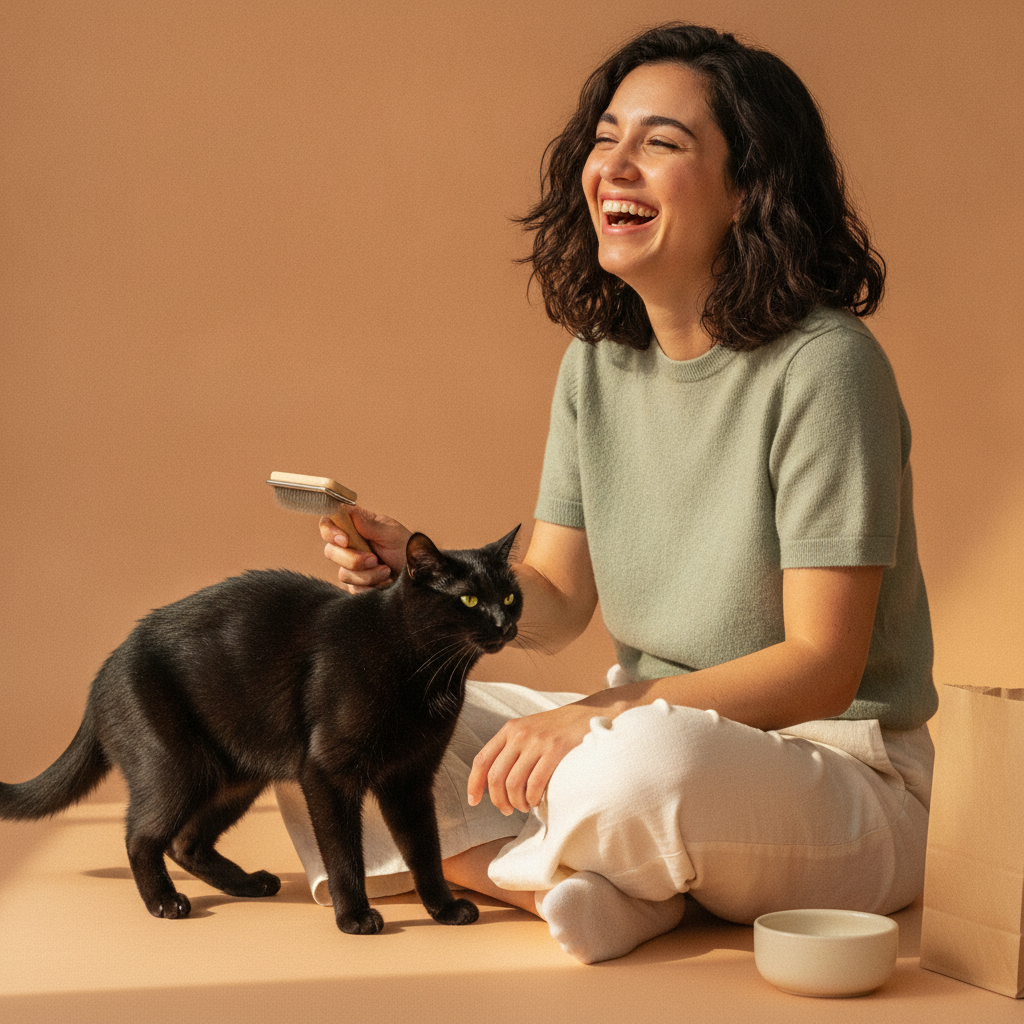
Here’s the quiet truth about pet grooming products: the category is barely regulated. “Natural,” “hypoallergenic,” and “vet-approved” are mostly marketing words with no enforced definition, which means the cheerful brand story on the front of the bottle tells you almost nothing about whether the formula is right for your pet. What matters is the match, the wrong shampoo on a sensitive dog causes the itch it claims to cure, and the right deshedding tool on the wrong coat does nothing. So the skill worth building isn’t picking the prettiest brand; it’s reading your own pet first (coat type, skin condition, the specific problem you’re solving) and then matching a formula or tool to it. This guide is built around that decision. Find your pet’s situation below, and we’ll point you to the product that fits it, with vet and groomer guidance on why. Smelling like stale Fritos is the easy problem; getting the skin and coat actually right is the one worth doing well.
Start Here: Read Your Pet Before You Read a Label
Three questions settle most grooming purchases. What’s the coat, short and smooth, double, long, or curly? Long and curly coats need more frequent bathing and brushing to prevent matting; short coats need far less. What’s the skin doing, normal, dry, itchy, allergy-prone, or broken out? Sensitive or reactive skin rules out fragrance and harsh detergents entirely. And what’s the actual problem, odor, shedding, tear stains, a specific irritation? Answer those and the right product is usually obvious. Below, the picks are grouped by the problem they solve.
Bathing: Match the Shampoo to the Skin, Not the Scent

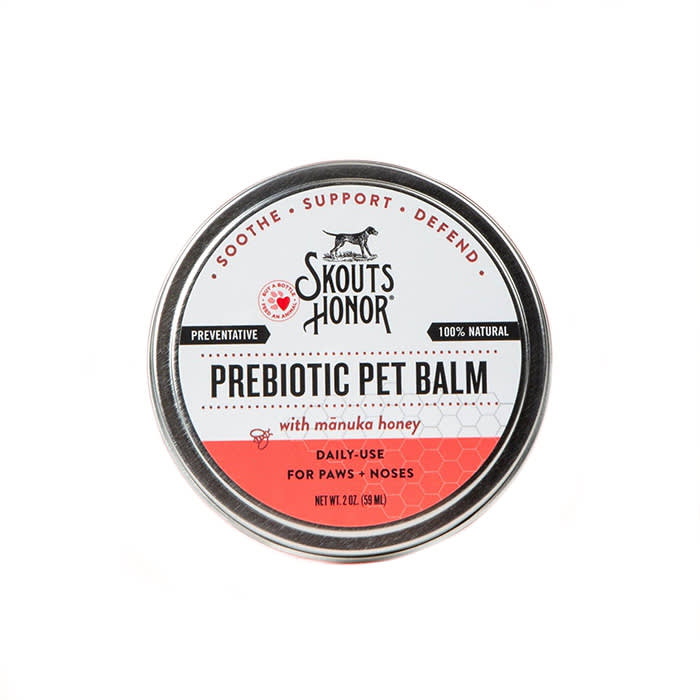
Skout’s Honor Happy Puppy
Bathing a puppy or a sensitive-skinned dog is where the wrong formula does the most damage. Skout’s Honor’s gentle shampoo-conditioner is formulated for delicate skin, and the brand’s probiotic line is the real differentiator, a live kefir culture shown to help ease and prevent common skin problems in dogs and cats.
“Set everything out before the dog is wet,” advises Pet Times grooming contributor Sasha Ford. “The moment you’re juggling a soapy, squirming dog, the bath goes sideways. Prep is half the battle, especially with a puppy or a recently rescued, fearful dog.”
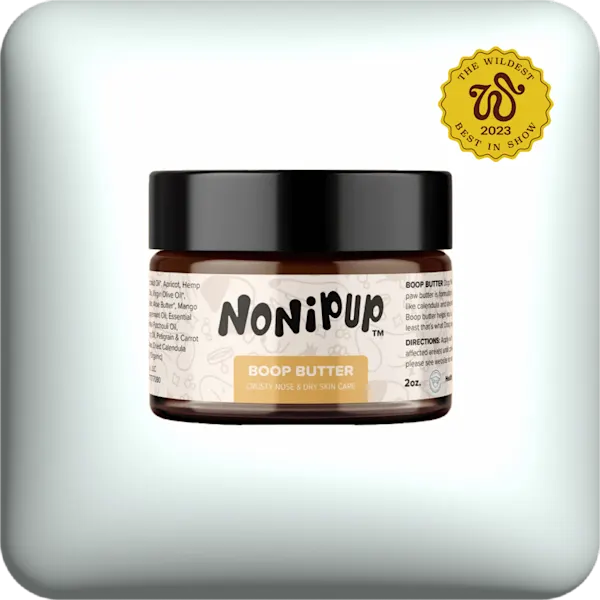
Nonipup Lavender Calming Shampoo
If the dog, not the skin, is the problem, a calming formula helps. Nonipup’s lavender shampoo, with olive, jojoba, and coconut oils, is mild and soothing. Founder Leslie Mosier (of Doug the Pug fame) developed the line after natural ingredients visibly improved her own dog’s skin and coat. For a bath-averse dog, pair it with treats and patience.
South Bark Blue Shed
A deshedding shampoo works at the source, releasing the loose undercoat in the tub so it doesn’t end up on your couch. South Bark’s Blue Shed uses Manuka honey and Argan oil, calming and anti-inflammatory, to do it. Per AKC guidance, long- and curly-coated breeds generally need bathing every four to six weeks with regular brushing between, while smooth coats need much less, so don’t over-bathe a short-haired dog chasing a shedding fix.
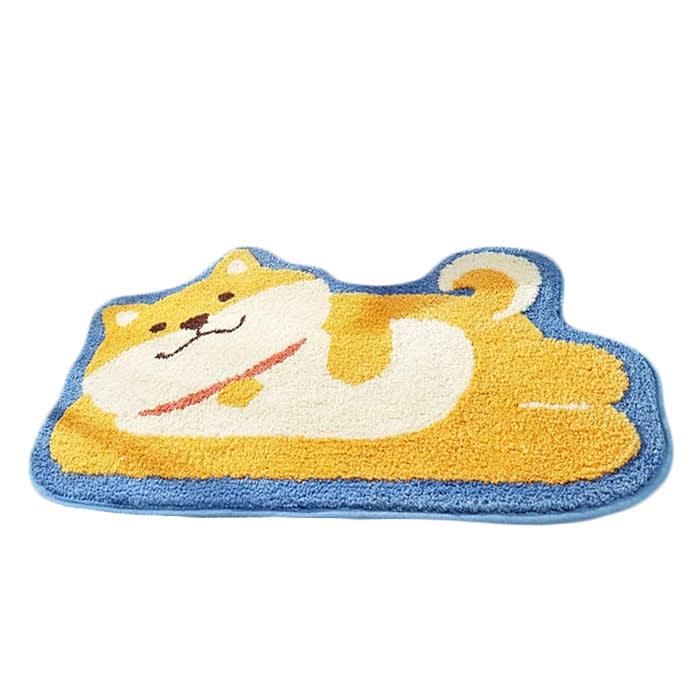
Vet’s Best Waterless Bath
Not every pet tolerates water, and most cats actively refuse it. A waterless foam conditions with aloe and vitamin E and freshens between baths, no tub required, in dog and cat versions. For dogs, it’s a stopgap, not a replacement for the occasional real wash.
Wipes and Sprays: For Between Baths
Best grooming wipes: coconut and aloe formula
For paws, face, and rear between baths, wipes made with coconut water, aloe, and eucalyptus cut dander and loose fluff. Hypoallergenic and free of parabens, sulfates, alcohol, and chemical detergents, which is exactly the kind of label-reading that matters here.
“When in doubt, wipe the dog down,” says Ford. “If they’re dirty or smell, you don’t always need a full bath, a good wipe of the paws, face, and tush handles most of it.”
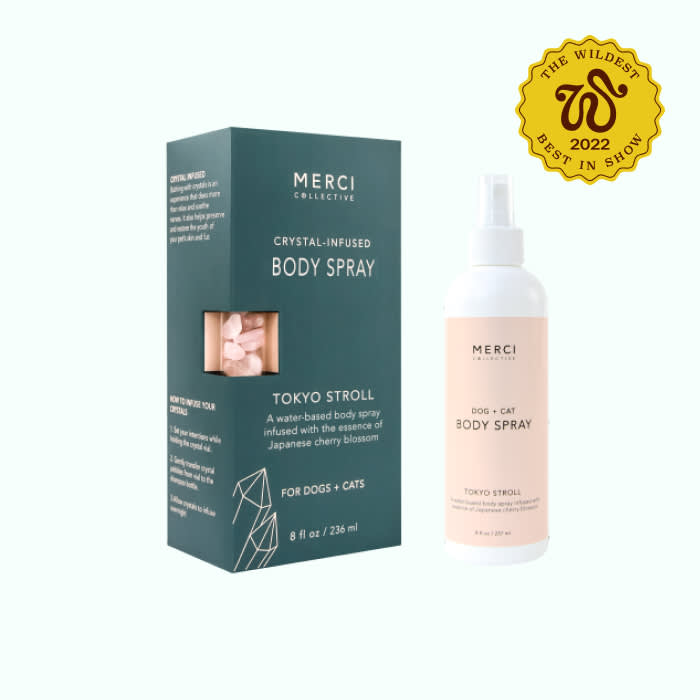
Best refresher spray: Merci Collective
A hypoallergenic, vet-approved cherry-blossom mist mild enough for sensitive skin and friendly to human noses too. The brand is cruelty-free and eco-focused. For the dog who rolled in something but doesn’t need a full bath.
Brushing and Deshedding: Match the Tool to the Coat
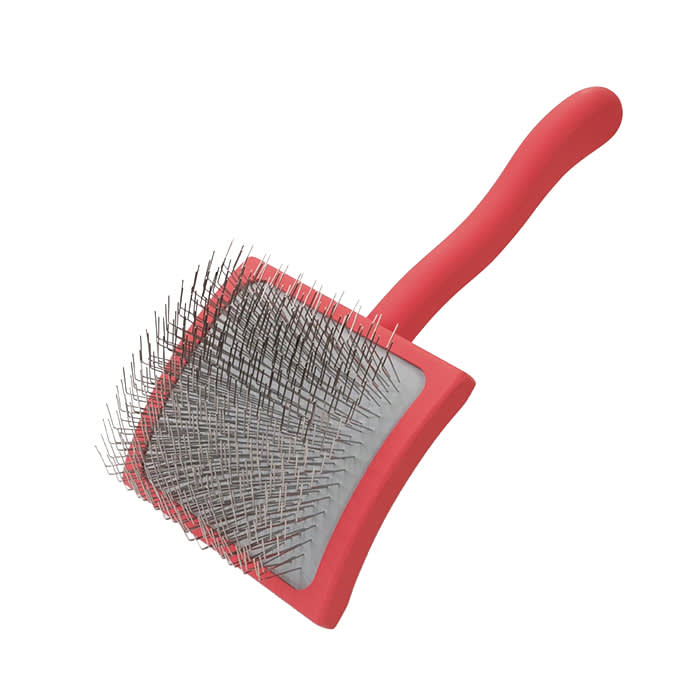
Tiiiinyyy K Pro Slicker
The right brush depends entirely on coat. A small slicker with soft pins handles medium, long, and curly coats and tight spots, armpits, paws, and is small enough to use on a cat.
“A soft-pin slicker prevents tangles before they become mats, and it’s gentle enough for the awkward areas most brushes can’t reach,” says Ford.
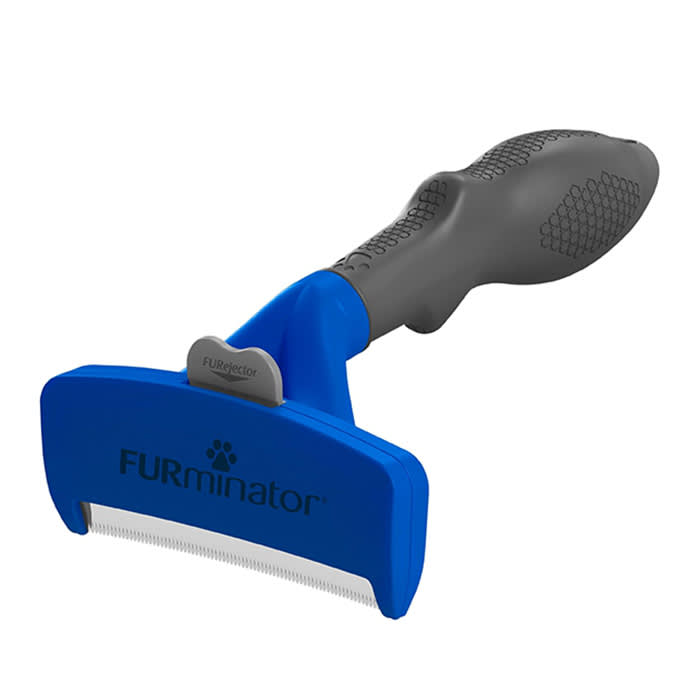
FURminator
For a double-coated heavy shedder, a deshedding tool reaches the undercoat a brush only skims. The FURminator, with over 30,000 five-star Amazon ratings, lifts and ejects loose undercoat, turning a quick brush into a real groom. One Great Dane owner who’d struck out with other tools wrote that “this tool DOES work,” removing undercoat normal brushing couldn’t. It works on high-shedding cats too. Use it gently and not daily, over-deshedding irritates skin.
Teeth: The Station Owners Skip and Vets Beg About
Best toothpaste: Vet’s Best Enzymatic
Dental disease is the most common health problem in adult pets, full stop.
“Periodontal disease affects the large majority of dogs by age three, and it’s the single most under-treated problem I see,” says Pet Times veterinary contributor Dr. Lena Park. “Daily brushing with an enzymatic toothpaste is the gold standard. Never use human toothpaste, the fluoride and xylitol are toxic to dogs.”
Vet’s Best enzymatic toothpaste pairs aloe, neem oil, grapefruit seed extract, and baking soda with enzymes that work on plaque between brushings, keeping breath tolerable in the process. Brush a few times a week at minimum.
For dogs who won’t tolerate a brush: Ark Naturals Breath Bursts
Not every dog accepts a toothbrush, especially a fearful rescue. Dental chews whose texture scrubs plaque are the realistic fallback. Ark Naturals Breath Bursts clean grime while a cinnamon flavor freshens breath. As Dr. Park notes, “the best dental care is the one you’ll actually do, so a chew the dog accepts beats a brush they fight.”
Litter and Litter Box: The Cat’s Daily Readout
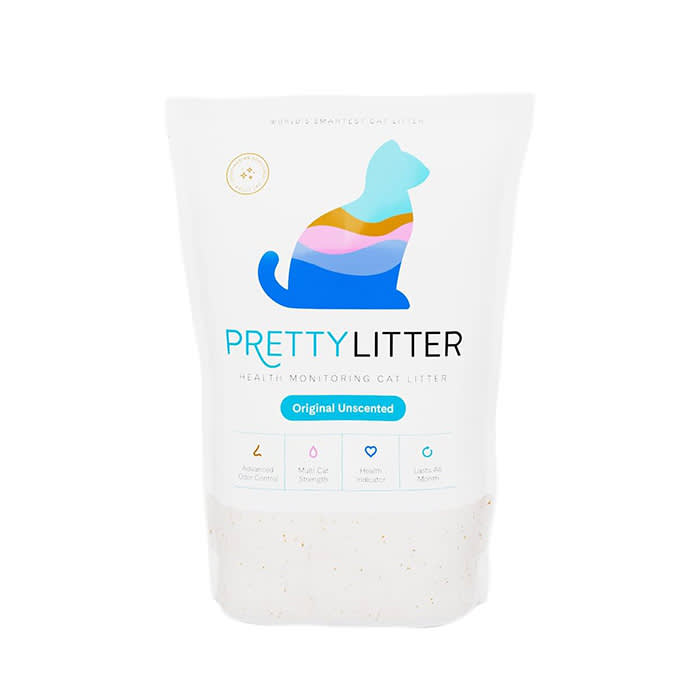
PrettyLitter
Cats hide illness, so the box is where evidence shows up. PrettyLitter’s silica crystals change color to flag possible problems like the very common UTI, while trapping odor, weighing up to 80 percent less than clay, and shipping dust-free to your door. A 30-day guarantee lowers the risk of switching.
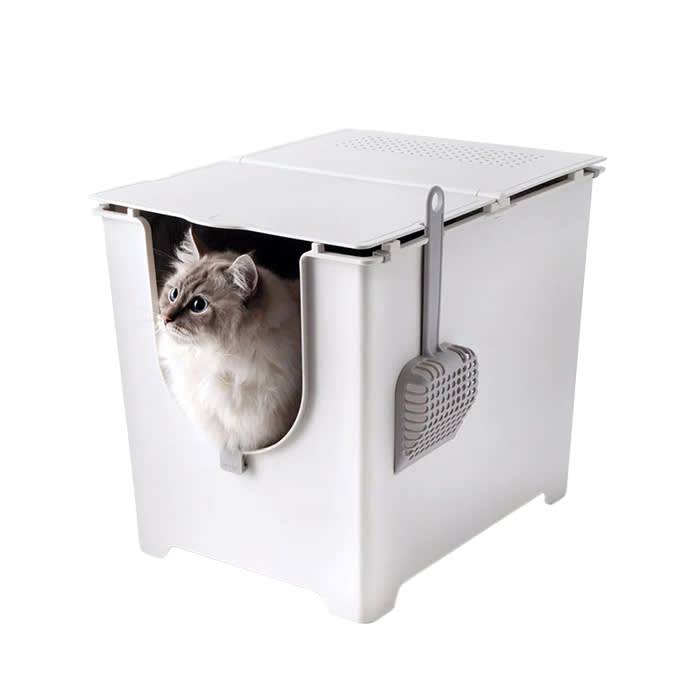
Modkat XL
Modkat’s XL has two entrances and a three-position lid, and the brand is certified climate-neutral. Influencer Katie Beth Miedaner uses it for her disabled cat, Lele, citing reusable liners and durability.
“Choose a box from the cat’s point of view, easy entry, low stress, scrupulously clean,” says Pet Times behavior contributor Nina Vasquez. “A box a cat avoids becomes a behavior problem fast.”
Rocco and Roxie
A plant-based, family-founded odor eliminator made from corncob granules that neutralizes the smell rather than perfuming over it, safe to use around the home.
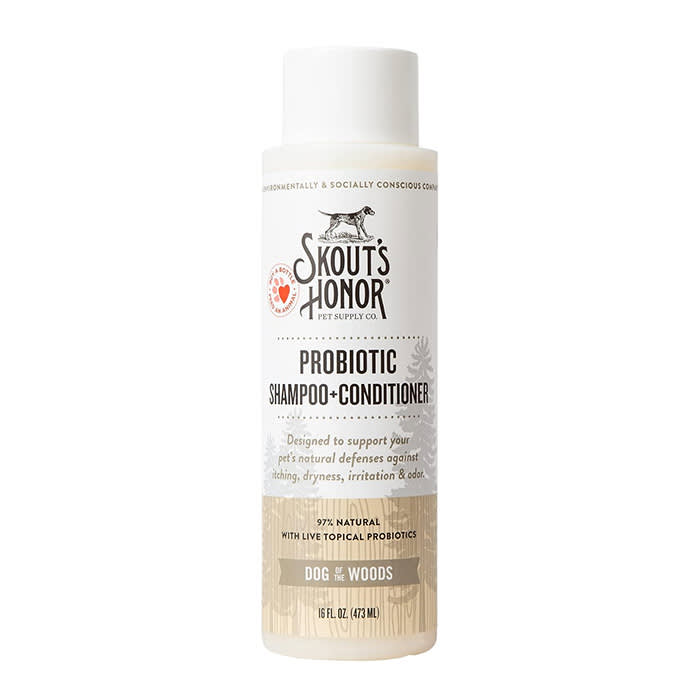
Skout’s Honor Probiotic
Skout’s Honor’s probiotic cleaner soothes dry, waxy, irritated ears with aloe and helps restore the ear’s microbial balance, gentle enough for sensitive pets.
“A monthly ear clean with an antibacterial or antifungal solution won’t fully prevent infections, but it keeps mites, yeast, and bacteria from taking hold, and it forces you to look and smell, which is how the early ones get caught,” says Dr. Park.
Natural Rapport
For tear stains, plant-based, human-grade wipes safe for the eye area, nose, and mouth, for dogs and cats from 12 weeks. The health rule to remember: a little gray morning crust is normal; green or yellow discharge means a vet visit, per standard veterinary guidance.
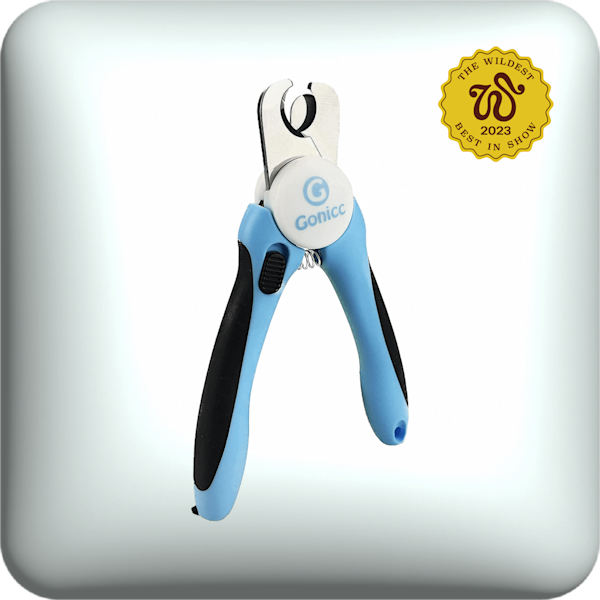
Gonicc
Overgrown nails crack, tear, and get infected, and change how a dog’s foot loads.
The Gonicc clippers include a file and a safety guard against over-cutting.
“Start nail handling young, and on clear nails trim just short of the pink quick, a little at a time,” says Dr. Park. “On dark nails, take thin slivers. Chronically long nails grow longer quicks, so frequent small trims are far safer than rare big ones.”
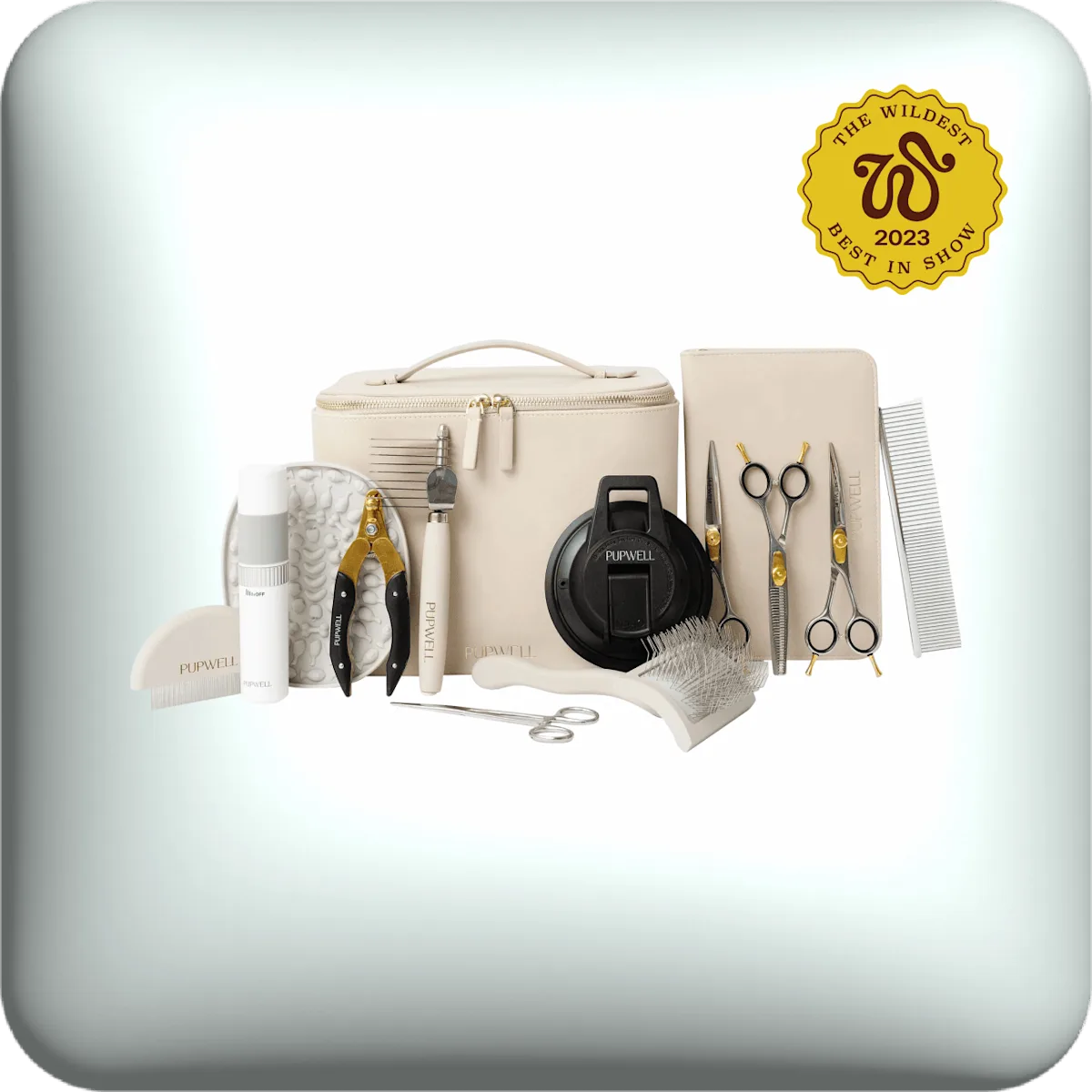
Dremel 7350
For dogs and cats who panic at clippers, a grinder files the nail down and nearly eliminates the risk of hitting the quick. The 7350 is the quietest model, with low noise and vibration. Introduce it slowly, a few nails per session is plenty at first.
Scratching: Redirect the Behavior Before It Costs You a Couch
Best basic post: tall sisal post
Cats will scratch regardless; the only question is what. A sturdy 32-inch post lets larger cats stretch fully while doing claw maintenance.
“Scratching is non-negotiable feline behavior, for claw maintenance and for marking,” says Vasquez. “Give them a tall, stable post or accept that the furniture becomes the post.”
Best design-forward scratcher: District 70 Sardine
For owners who hate the look of typical cat gear, District 70’s cardboard sardine scratcher doubles as a lounge. Corrugated cardboard is a smart material choice: as Pet Times contributors note, cats avoid textures that snag their claws, and cardboard and bark are textures most cats accept readily, so it gets used instead of ignored.
Bath-Day Tools: Make It Easier on Both of You
dual-setting sprayer
A shower attachment that washes and brushes at once, with two pressure settings for large, small, sensitive, or extra-muddy dogs, attaches to a shower spigot or garden hose so you can pick the least-stressful spot.
Pride and Groom Microfiber
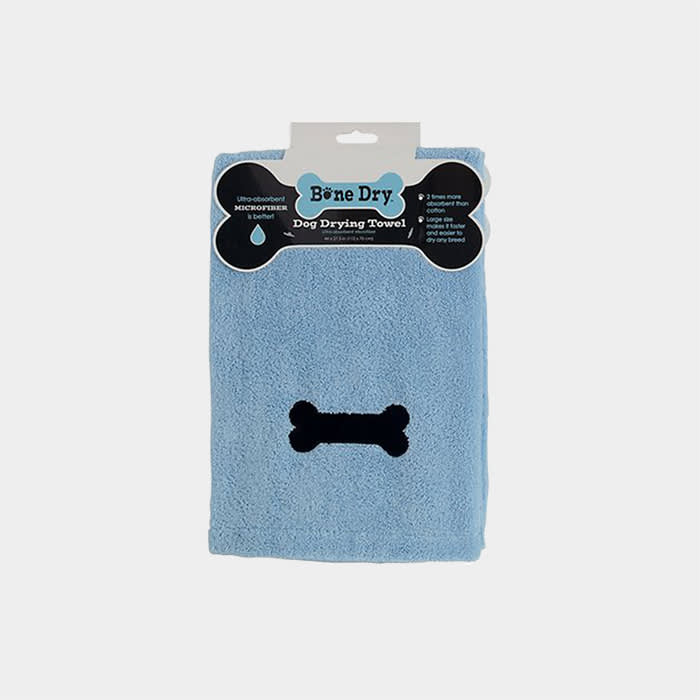
Many dogs fear the blow dryer, so a fast, quiet towel is the better tool. Pride and Groom’s microfiber towel has hand pockets at each end and dries efficiently enough to skip the dryer entirely, sparing a noise-averse dog the chase.
The Bottom Line
Ignore the brand’s origin story and the word “natural.” Identify your pet’s coat, their skin condition, and the specific problem in front of you, then match a formula or tool to that, fragrance-free for sensitive skin, a deshedding tool for double coats, an enzymatic paste for teeth, a grinder for the clipper-phobic. The unregulated front label is noise. Your pet’s actual skin and coat are the spec sheet, and they’re the only one worth reading.
References
- “Periodontal Disease in Dogs and Cats.” American Veterinary Medical Association.
- “How Often Should You Bathe Your Dog?” American Kennel Club.
- “Nail Trimming for Dogs and Cats.” American Animal Hospital Association.
- “Otitis Externa in Dogs.” Cornell University College of Veterinary Medicine.
- “Why Cats Scratch and How to Redirect It.” International Cat Care.
Sara Lim leads our Product Picks coverage, testing and comparing the things pets and their owners actually use. From everyday essentials to home-and-style finds, she focuses on honest, useful recommendations rather than hype.
Meet our experts ↗Keep reading
 Product PicksThe Grooming Kit That Actually Fits Your Pet's ProblemSasha Ford · 9 min
 Product PicksTikTok Sold You the Demo, Not the Dog. 7 Gadgets That Survive Real Life.Sasha Ford · 8 min
 Product PicksThe Pet Grooming Lineup We'd Buy Again: 15 Picks for a Clean, Comfy PetTom Hadley · 12 min
 Product PicksStop Buying Brushes by the Star Rating. Buy Them by Your Dog's CoatSasha Ford · 14 min
 Product PicksMost Cats Never Need a Bath. Here's the Shampoo for the Ones That Do.Dr. Mara Chen · 3 min
 Product PicksThis $59 Board Lets Your Dog File Their Own NailsLeila Torres · 5 min