


There's No 'Best' Food for Dog Allergies. Here's How to Actually Find Yours
Is your dog itching up a storm? Here's how to identify and manage a food allergy, plus the diet types that actually help, from novel proteins to hydrolyzed formulas.


Let us reset the question this article is usually built around. There is no single best food for a dog with allergies, and any list that hands you a brand is selling you something. The “best food” is whatever does not contain your dog’s specific trigger, and the only way to learn that trigger is a properly run elimination diet. In other words, the diagnosis and the treatment are the same procedure. Get the procedure right and almost any number of foods will work. Skip it and the most expensive bag on the shelf is a guess.
So this is less a shopping guide than a diagnostic one. We will walk the elimination trial the way a vet actually runs it, because that is where owners go wrong and where the relief actually comes from, and only then talk about diet types.
It helps to know what you are statistically up against. Despite the marketing panic around grains, the most common canine food allergens are ordinary proteins, the ones in most dog food. A widely cited review in BMC Veterinary Research tallied the offenders across reported cases:
| Allergen | Share of dogs with food allergies |
|---|---|
| Beef | ~34% |
| Dairy | ~17% |
| Chicken | ~15% |
| Wheat | ~13% |
| Lamb | ~5% |
The pattern is the point. The top triggers are not exotic, they are the proteins a dog eats every day, which fits the leading theory that food allergy develops through repeated exposure: feed the same protein for years and some immune systems eventually misread it as a threat. Grain, notably, sits below the top proteins. That is why a “grain-free” label is not an allergy strategy, and a novel-protein or hydrolyzed plan is.
That said, statistics describe populations, not your dog. The crucial first step is still identifying this dog’s allergen, because living with allergies takes patience, consistency, and a willingness to accept some flare-ups along the way.
Identifying Food Allergies in Dogs
Diagnosing a food allergy sounds simple, but many conditions mimic one, and misdiagnosis is easy. That is why you should consult your vet right away if you suspect allergy symptoms, so you can get a proper diagnosis.
Recognizing the symptoms. Dogs with food allergies most often have itchy skin, frequently focused around the ears (sometimes with recurrent ear infections), along with itchy rear ends, scooting, and biting or licking the hind end, paws, or belly. Some also have digestive issues like vomiting or diarrhea. Because so many conditions cause itchy skin, distinguishing a food allergy takes a methodical approach. One key clue: if a food allergy is the cause, the signs should be consistent. If symptoms wax and wane with the seasons, an environmental or flea allergy is more likely.
Consulting your vet. This is your first stop. Your vet will systematically rule out other causes like fleas and skin parasites first. Do not skip these steps or try multiple remedies at once, or you will never know which one worked. Your vet can also guide you through the standardized approach to food-allergy testing, which includes access to the prescription foods that are the gold standard for diagnosis.
Elimination diets. Once other causes have been treated, an elimination diet is the first step in confirming a food allergy. Before starting, all other medications like steroids, antibiotics, and antihistamines should be discontinued so you can see whether the diet alone makes a difference. The diet must contain a protein and carbohydrate your dog has never eaten before. Since beef, dairy, chicken, and wheat are common allergens and common ingredients, the food must be completely free of them, often a novel-protein diet using something like fish, kangaroo, rabbit, or duck with potato. Tell your vet about any past diets or treats containing these ingredients, since prior exposure rules a protein out. Avoid over-the-counter diets for the trial, since they are typically made on shared machinery and can carry contaminants. Prescription diets use dedicated machinery to avoid this. Once chosen, the diet must be fed exclusively for eight weeks: no treats, no chew toys, not even flavored medications.
Food challenge. For dogs that improve on the elimination diet, reintroducing the original food is the only way to truly confirm a food allergy. The former diet goes back in for up to two weeks. If symptoms recur, a food allergy is more definitive, and if they resolve again on the novel diet, that confirms it.
Allergy testing. Blood and skin allergy testing are not recommended for diagnosing food allergies, since the results are unreliable, though skin testing is used for other types of allergies.
The Best Foods for Dogs With Allergies
The best food is simply one that avoids your dog’s specific allergens, which is exactly why a diet trial matters so much. A few diet types tend to work well.
Limited-ingredient, novel-protein diets. These minimize the total number of ingredients to reduce potential allergens, and the novel protein is one your dog has never eaten, so it cannot be something they are already allergic to. Prescription versions are made on dedicated machinery to prevent cross-contamination, while pet-store brands carry more contamination risk, making them poor choices for a trial or a dog with known allergies.
Hydrolyzed protein formulas. These break proteins into fragments too small for the immune system to recognize, allowing them to act as a hypoallergenic diet. They are a strong option for dogs who have been exposed to many proteins over their lives, making a truly novel protein hard to find.
For chicken allergies specifically. Chicken is less common an allergen than many assume, but a true chicken allergy is best managed with a limited-ingredient novel-protein or hydrolyzed diet. Remember that many over-the-counter foods carry contaminants, so even a food without chicken on the label can trigger a reaction if it shares machinery with chicken-based products. The same goes for treats and chew toys, which often means buying a prescription diet from your vet.
Homemade diets. These can work, but cooking a properly balanced diet tends to be time-consuming and more expensive than buying food, and you must take the same precautions against contaminants, possibly with a separate set of bowls and cookware. For any long-term homemade diet, consult a veterinary nutritionist to ensure it is complete and balanced and avoid serious nutritional deficiencies.
Managing Your Dog’s Allergies
By now it is clear there is no quick fix. Controlling symptoms is all about management, and consistency and careful planning are your best tools. Things still happen, so if your dog gets into takeout full of their allergens, do not panic. Call your vet to discuss steps to ease symptoms and get back on track. A few key tips:
Stick to the prescribed diet. These diets only work if your dog completely avoids their allergens. In a multi-pet home, you may need to separate animals at mealtime to prevent sneaky bites.
Skip table scraps and treats. These can trigger flare-ups if they contain or are contaminated with the offending allergen. The safest move is to keep them away entirely. For treats, use your dog’s own food or vet-approved safe fruits and veggies.
Read labels carefully. If you try a new treat or food, scrutinize labels for allergens, and confirm the product is made on dedicated machinery. If that is unclear, proceed with caution.
Transition gradually. Any diet change should be gradual to avoid digestive upset. Start with about 25 percent new food and 75 percent old for a day or two, then move to 50/50, then 75/25, before switching fully.
Change one variable at a time. Do not change flea or heartworm medication while also switching food, or introduce a new treat and a new shampoo together. Multiple changes at once make it impossible to know what helped. Wait at least two weeks between changes.
References
- Mueller, R.S., Olivry, T., and Prélaud, P. “Critically Appraised Topic on Adverse Food Reactions of Companion Animals (2): Common Food Allergen Sources in Dogs and Cats.” BMC Veterinary Research, 2016. https://bmcvetres.biomedcentral.com/articles/10.1186/s12917-016-0633-8
- Tufts University Cummings School of Veterinary Medicine, Petfoodology. “Think Your Dog Has a Food Allergy? Eliminating Mistakes in Elimination Diet Trials.” https://vetnutrition.tufts.edu/2017/11/food-allergies/
- U.S. Food and Drug Administration. “FDA Investigation into Potential Link between Certain Diets and Canine Dilated Cardiomyopathy.” https://www.fda.gov/animal-veterinary/outbreaks-and-advisories/fda-investigation-potential-link-between-certain-diets-and-canine-dilated-cardiomyopathy
- Olivry, T., and Mueller, R.S. “Critically Appraised Topic on Adverse Food Reactions of Companion Animals (4): Hydrolyzed Diets.” BMC Veterinary Research, 2018. https://bmcvetres.biomedcentral.com/articles/10.1186/s12917-018-1656-0
Common questions
What food should I avoid for a dog with skin allergies?
There's no single food to avoid, but if you suspect a food allergy is causing skin problems, talk to your vet about a diet trial. This involves using a limited-ingredient prescription diet as your dog's only food source for at least eight weeks.
Are grain-free diets better for dogs with allergies?
Not necessarily. Dogs may be allergic to many other ingredients, especially proteins, and grain may have no effect either way. There have also been cases of dogs developing dilated cardiomyopathy on certain grain-free diets, so these should be avoided after you do your research.
Not a substitute for your vet. Our guidance is educational. For urgent symptoms, contact a vet or emergency clinic right away. Editorial standards
Dr. Kohl is a board-certified veterinary dentist with a particular interest in preventive oral care. She reviews all dental health content at The Pet Times and contributes practical guides on home dental routines, professional cleaning, and oral disease prevention.
Meet our experts ↗Keep reading
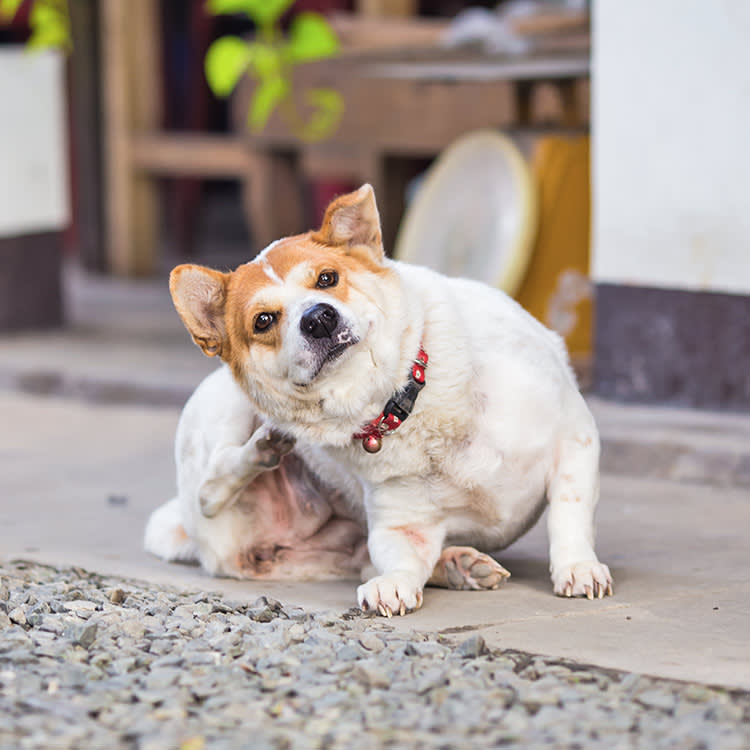 Health & WellnessNo Fleas, Still Scratching? 7 Culprits, Ranked by How Likely They Are.Dr. Mara Chen · 14 min
 Health & WellnessYour Dog's Itch Is a Symptom, Not a Diagnosis. 13 Culprits, Sorted 4 WaysDr. Priya Nair · 7 min
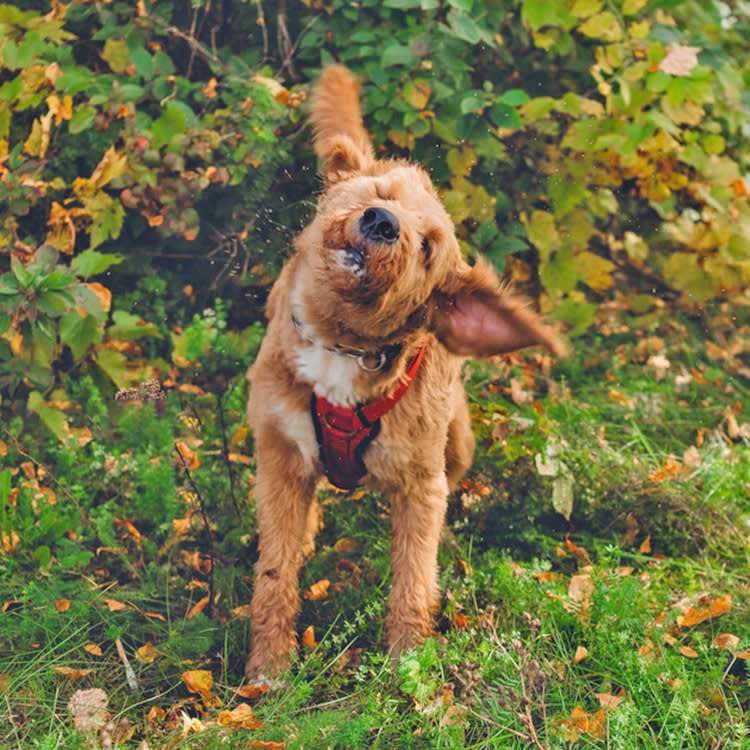 Health & WellnessA Dog Who Keeps Shaking Their Head Is on a ClockDr. Priya Nair · 8 min
 Health & WellnessThat Red Rash on Your Dog's Belly Is Trying to Point SomewhereDr. Nina Kohl · 6 min
 Health & WellnessYou Found a Lump on Your Dog. Here's What It Might Be, and When to Worry.Dr. Priya Nair · 8 min
 Health & WellnessYou Cannot Tell a Lump Is Harmless by Touching ItDr. Mara Chen · 7 min