


Stop Shopping for an Itch Shampoo. Start Shopping for the Cause
An anti-itch shampoo only works if it matches what's making your dog itch. Here's how to read the cause first, match it to the right active ingredient, and pick from six vet-informed shampoos that actually fit the problem.

Affiliate disclosure. This article contains affiliate links. We may earn a small commission if you buy through a link, at no extra cost to you. How we handle recommendations.
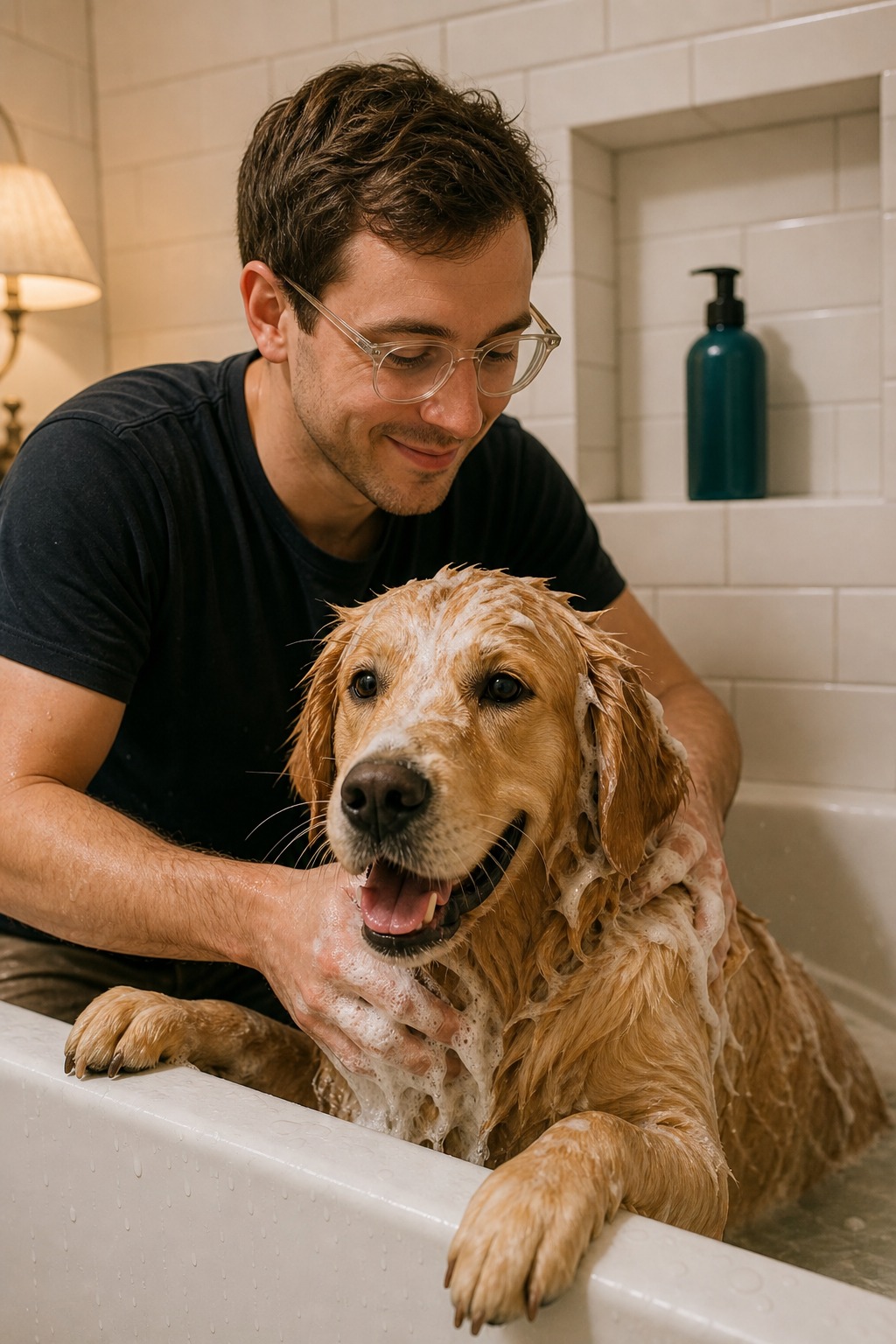
Walk down the pet-shampoo aisle and every bottle promises the same thing: relief from itching. That’s the trap. “Anti-itch” is a marketing category, not a diagnosis, and grabbing whichever soothing-sounding bottle is on sale is how people end up bathing a flea-allergic dog in oatmeal for a month while the real problem multiplies. The dogs whose itching actually improves have owners who did one thing first: they figured out, at least roughly, why the dog was itchy, and then matched the shampoo’s active ingredient to that cause. So that’s how this guide is built, cause first, product second.
A quick, important caveat before anything else: a shampoo treats skin, not the source. If your dog is genuinely miserable, losing hair, or breaking out in sores, the right move is a vet visit, because the best shampoo in the world won’t out-bathe a flea infestation, a food allergy, or a thyroid problem. What a good shampoo does well is calm the surface, clear secondary infection, and buy comfort while you and your vet sort out the underlying driver.
First, read the cause
Itch has a handful of common culprits, and each one points to a different active ingredient. You don’t need to be certain, just oriented.
- Dry, flaky, environmentally irritated skin (winter air, seasonal allergens, a recent romp through pollen): look for colloidal oatmeal, aloe, and a pramoxine numbing agent. Soothing, not medicated.
- Red, smelly, or crusty skin with a possible bacterial or yeast infection (the classic hot-spot or “doggy odor” itch): look for chlorhexidine, often paired with miconazole or ketoconazole as an antifungal.
- Greasy, flaky, seborrheic skin (oily coat, dandruff, a musty smell): look for a seboregulating formula or salicylic acid, sulfur, and coal tar.
- Itch you suspect is allergic (chronic, seasonal, paw-licking, ear issues): a soothing oatmeal or pramoxine shampoo helps the surface, but this is the category that most needs a vet, because shampoo alone rarely controls true allergic dermatitis.
What to avoid on the label regardless of cause: artificial fragrances and dyes, sulfates (which strip protective oils), parabens, and formaldehyde-releasing preservatives. And be cautious with “natural” tea tree oil formulas; tea tree can be soothing in tiny concentrations but is toxic to dogs if ingested in larger amounts, and a dog who licks their wet coat will ingest some.
Owners ask me which shampoo is best, and the honest answer is that there’s no single best one, there’s a best one for this dog’s problem. A chlorhexidine shampoo is fantastic for a bacterial flare and pointless for plain winter dryness. Match the active ingredient to what you’re actually seeing on the skin, and give it the full contact time. That one habit, letting it sit five to 10 minutes, is the difference between relief and a waste of a bath.
The technique that makes any of them work
This matters as much as the product. Wet the coat thoroughly, work the shampoo down to the skin (not just the fur), and then leave it on for the full contact time on the label, usually five to 10 minutes for medicated formulas. Rinse completely, because residue is itchy on its own. During an active flare, many medicated shampoos are used two to three times a week, then tapered as the skin calms. A good anti-itch shampoo from a trusted brand runs about $6 to $20 a bottle; prescription versions cost more and come in smaller bottles, which is one more reason to confirm the cause before you escalate.
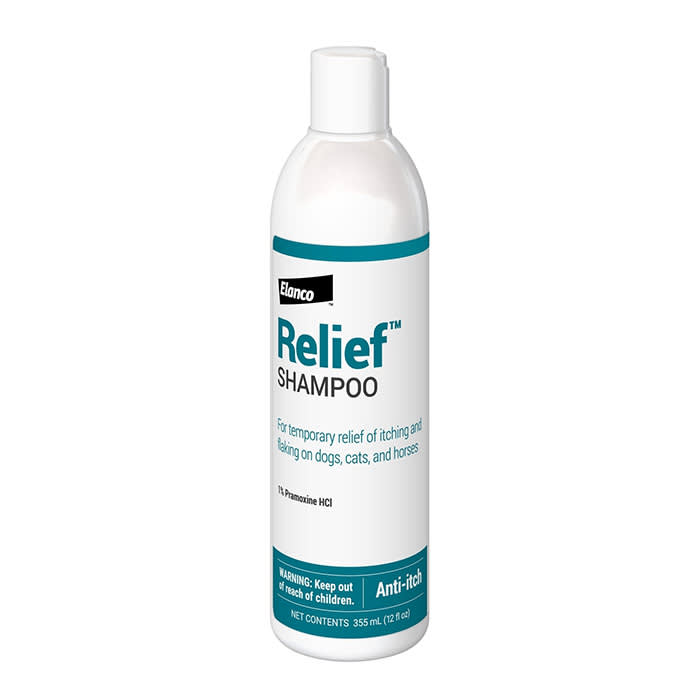
Elanco Relief Shampoo with Pramoxine & Colloidal Oatmeal
This works on two levels. Pramoxine hydrochloride numbs the itch (for dogs, cats, and horses), while colloidal oatmeal and omega-6 fatty acids moisturize and soothe. The omega-6s strengthen cell membranes and improve coat quality, leaving skin calmer underneath. It’s soap-free and gentle on the skin barrier. Best for: general irritation, dryness, and seasonal flare-ups where there’s no infection.
Pros: Pairs a topical anesthetic with oatmeal for fast comfort; soap-free; humectants support the skin barrier; widely well-reviewed. Cons: Temporary relief, not a cure; needs full contact time; no real antibacterial or antifungal action; overuse can disrupt skin balance. Find it on Amazon.
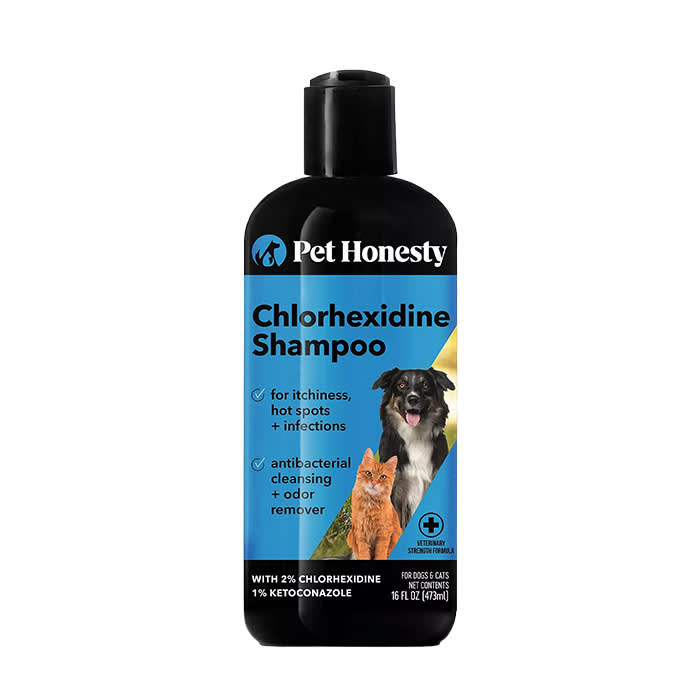
Pet Honesty Chlorhexidine Seasonal Itch Relief Shampoo
A double dose of protection: 2 percent chlorhexidine to fight bacteria plus 1 percent ketoconazole as an antifungal, with aloe to relieve the rashes, bug bites, and irritation that come with a secondary infection. The pump-and-tube design keeps application mess-free. Best for: red, smelly, crusty skin where infection is part of the picture.
Pros: Chlorhexidine reduces bacterial load; ketoconazole adds antifungal coverage; aloe soothes; great during allergy-season flares. Cons: Can be drying if overused or left on too long; needs thorough rinsing; doesn’t address the underlying allergy or parasite; limited independent data. Find it on Amazon.
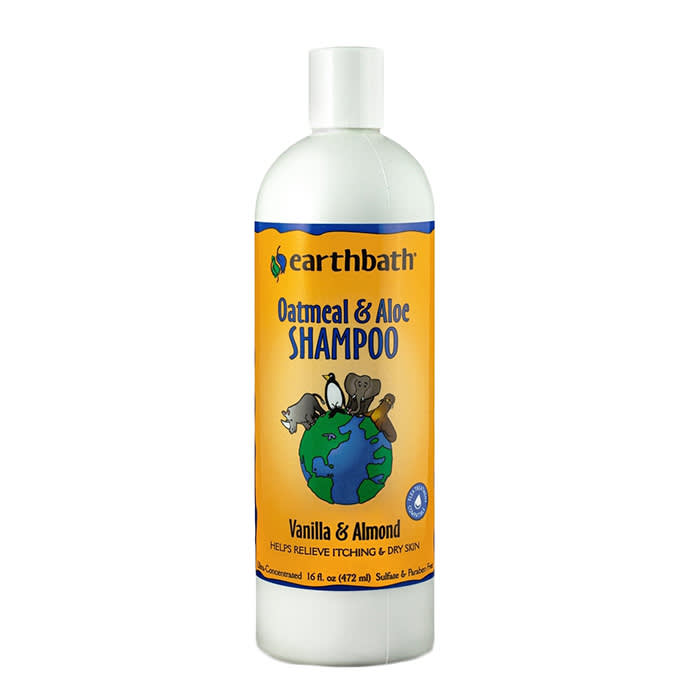
Earthbath Oatmeal & Aloe Shampoo
Soap-free, pH-balanced, and gentle enough that it won’t strip topical flea treatments, with a double dose of colloidal oatmeal and organic aloe. It cleans while preserving natural oils, and the brand leans into biodegradable packaging and clean ingredients, so it’s an easy guilt-free pick for routine baths. Best for: mild dryness and routine washing on sensitive skin.
Pros: Vet-recommended oatmeal and aloe; free of sulfates, parabens, gluten, and dyes; biodegradable; economical for regular use. Cons: Too mild for bacterial or fungal infections; may not be enough for highly reactive dogs; won’t control oily, seborrheic skin. Find it on Amazon.
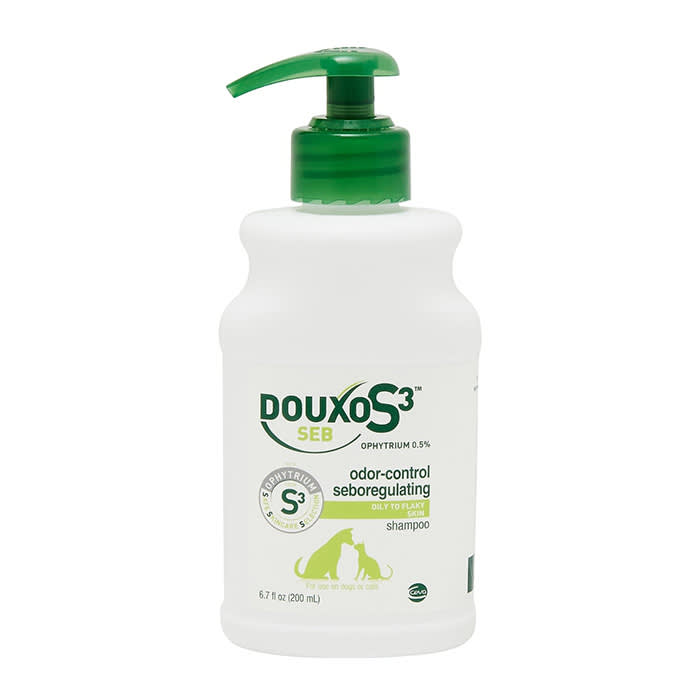
Douxo S3 SEB Seboregulating Shampoo
Built to rebalance sebum production and cell turnover in dogs and cats with oily-to-flaky skin. Sebum is the oily substance from the skin’s glands, and keeping it in range prevents the skin from going too oily or too dry, either of which itches. The result is strong odor and dandruff control. Best for: greasy coats, dandruff, and that musty seborrheic smell.
Pros: Targets oily, flaky, odorous skin; contains Ophytrium to support the skin barrier and healthy microflora; soap-free; frequently vet-recommended for non-prescription care. Cons: Limited antimicrobial power if infection is the main issue; may need several applications; higher cost per use; overuse can dry skin. Find it on Amazon.
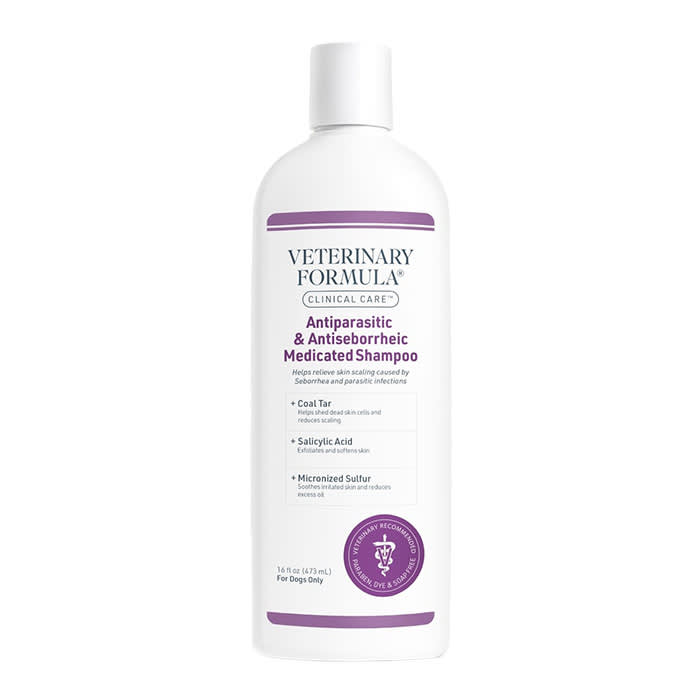
Veterinary Formula Clinical Care Medicated Shampoo
A heavier-duty blend of coal tar, keratolytic agents (which shed dead skin and spur new cell growth), micronized sulfur (an anti-inflammatory), and salicylic acid (the same exfoliant in human acne products). It’s pH-balanced, paraben-free, and soap-free, making it a strong option for difficult sensitive-skin cases. Best for: seborrhea, scaling, and some parasitic issues like mites. (Dogs only, not for cats.)
Pros: Tackles seborrhea, parasitic concerns, and antifungal/antiseptic needs; pH-balanced; free of harsh soaps, parabens, and dyes; many owners report fast improvement in itching and flaking; affordable versus prescriptions. Cons: Stronger formula carries more irritation risk if misused; strong medicinal smell; not for cats; overuse strips lipids; only relieves symptoms if a systemic allergy is the real driver. Find it on Amazon.
a hydrocortisone + colloidal oatmeal shampoo
Rounding out the list is the gentlest “active” option: a 1 percent hydrocortisone shampoo blended with colloidal oatmeal and aloe. The low-dose hydrocortisone calms inflammation and the itch-scratch cycle while the oatmeal moisturizes, making it a useful middle ground between a plain soothing wash and a heavy medicated one. Best for: inflamed, allergy-prone skin that needs more than oatmeal but isn’t infected. Use it short-term and check with your vet before regular use, since steroids aren’t for indefinite at-home use.
Pros: Hydrocortisone directly reduces inflammation and itch; oatmeal and aloe moisturize; good bridge product during a flare. Cons: Steroid, so not for long-term unsupervised use; not appropriate over broken or infected skin; should be vet-guided for chronic cases. Find a hydrocortisone oatmeal dog shampoo on Amazon.
When the shampoo isn’t enough
If you’ve matched the cause, used the right product with full contact time, and the itch is still severe, spreading, or paired with hair loss, sores, odor, or constant discomfort, stop experimenting and see your vet. Persistent itch usually means infection, parasites, or true allergic disease, and the fix is often a prescription shampoo plus oral medication, immune-supporting therapy, omega-3 supplementation, or allergy testing. A bath buys comfort. A diagnosis ends the cycle.
References
- Mueller, R.S., et al. (2012). “Topical therapy in canine and feline dermatology.” Veterinary Dermatology (review of chlorhexidine, antiseborrheic, and antipruritic shampoo agents).
- American Kennel Club. “Why Is My Dog So Itchy?” akc.org.
- ASPCA Animal Poison Control Center. “Tea Tree Oil.” aspca.org.
- Cornell University College of Veterinary Medicine. “Atopic Dermatitis in Dogs,” Riney Canine Health Center.
Common questions
How long should I leave anti-itch shampoo on my dog?
Contact time is the most-skipped step. Most medicated shampoos, especially those with chlorhexidine, miconazole, or pramoxine, need to sit on wet skin for five to 10 minutes before rinsing to actually work. A quick lather-and-rinse wastes the active ingredients.
How often can I bathe an itchy dog?
It depends on the product and the cause. Some medicated shampoos are used two to three times a week during a flare, then tapered; gentle oatmeal formulas can be used more freely. Over-bathing with a harsh product can dry the skin and make itching worse, so follow the label or your vet's guidance.
When does itchy skin need a vet, not a shampoo?
See a vet if the itch is severe, persistent beyond a couple of weeks, or comes with hair loss, open sores, a foul odor, or constant discomfort. Those point to infection, parasites, or allergy that needs oral medication, prescription shampoo, or allergy testing, not just a better bath.
Dr. Mehta is a board-certified veterinary nutritionist who evaluates pet food formulations, ingredient quality, and the science behind dietary trends. He writes and reviews all nutrition content at The Pet Times, including our food rankings and feeding guides.
Meet our experts ↗Keep reading
 Product PicksProbiotic Dog Shampoo Sounds Like Nonsense. The Idea Behind It Isn't.Dr. Mara Chen · 6 min
 Product PicksThis $59 Board Lets Your Dog File Their Own NailsLeila Torres · 5 min
 Product PicksYou Didn't Fail at Brushing Your Dog's Teeth. You Started at the Wrong End.Dr. Mara Chen · 7 min
 Product PicksYour Dog Doesn't Want a Signature Scent. Here's When DedCool's Perfume Is Fine Anyway.Sasha Ford · 4 min
 Product PicksThe At-Home Grooming Kit a Celebrity Dog Groomer Actually UsesSasha Ford · 5 min
 Product PicksPick a Golden Retriever Shampoo by What Their Skin Is Actually DoingDr. Nina Kohl · 9 min