


What a Year of Shelter Shifts Rewired in Me: 11 Lessons That Stuck
The real reason people quit shelter volunteering is not the sadness. After a year of scooping litter and walking dogs, here are 11 lessons about boundaries, fear, and small joys that changed how I live.

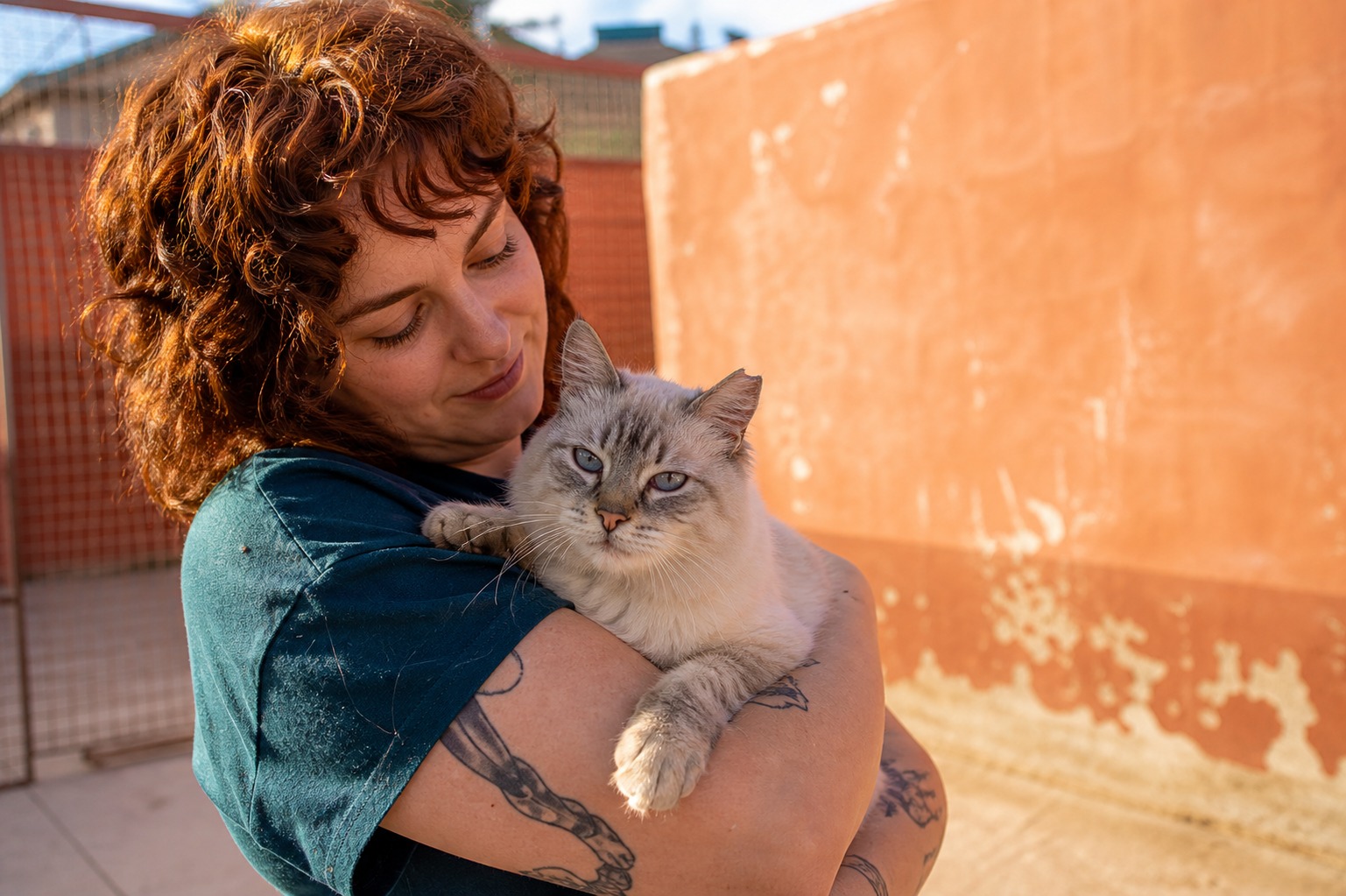
Most people who turn down shelter volunteering tell me the same thing: “I’d love to, but it’s just too sad. I could never.” I believed that too, right up until I started. What I found instead was that the sadness was never the obstacle. The obstacle was a story I had told myself about what I could and could not handle, and a year of shifts at my local shelter took that story apart piece by piece. The lessons below are not really about animals. They are about the kind of person the work asks you to become, and the surprising places it leaves you stronger.
The Fear Was the Lie
The single most important thing I learned is that “too sad” is fear wearing a kinder mask. When someone says they could never do this because of the heartbreak, what they usually mean is that they are afraid of feeling something they cannot control. I felt exactly that. Then I showed up anyway, and discovered the heartbreak was real but survivable, and that doing nothing was the actual enemy. Fear edging out compassion is the only outcome that helps no animal at all.
Once you understand that, the rest of the work has a different texture. You are not bracing against sadness. You are choosing, shift after shift, to let love do the heavy lifting. And love, it turns out, is a stranger and stronger fuel than greed, competition, or obligation. It hands you the strength to do things you were sure you could not do, and then a little more after that.
Eleven Things the Work Taught Me
1. Goodbyes do not get easier, and that is the point.
I waited all year for the goodbyes to stop hurting. They never did. Every adoption, every transfer, every loss landed the same way. Eventually I stopped treating that as a flaw to fix. The ache is proof the bond was real, and a heart that goes numb to it is a heart that has checked out. You learn to carry the goodbyes, not to outrun them.
2. You cannot pour from an empty bowl.
The fastest way to quit is to try to be everything to every animal in the building. I learned to set boundaries, take the day off, and care for myself first, even when it felt selfish. Burnout helps no one. Treat your own limits as part of the job, not a betrayal of it.
3. It takes almost nothing to make a tail wag.
A patch of grass. Fresh food. A warm hand. A soft blanket. A ten-minute walk. Shelter dogs and cats find genuine joy in the smallest things, and after a while you start to wonder why the rest of us need so much more. This was the lesson that followed me home.
4. Talk to them, really talk.
Tell the animals the advice you give everyone else but never follow. Tell them your secrets and your fears. Then let the thumping tails, the purrs, the clumsy paws, and the warm tongues remind you that life is rarely as serious as it feels.
5. Poop is genuinely not a big deal.
Yes, it is gross. No, it is not life-threatening. You will make your peace with it faster than you expect, and that small surrender turns out to be good practice for surrendering bigger things.
6. Dress like you mean it.
Jeans and a T-shirt that have already lived a full life. Leave the jewelry at home, especially dangly earrings. Twist your hair into a messy bun, because some dogs cannot tell a ponytail from a rope toy. Skip the makeup, since it is getting licked off anyway. And no flip-flops, ever. The one day you wear them is the day you find the one puddle on the floor.
7. The animals want exactly what you want.
Warm instead of cold. Safe instead of exposed. Seen, heard, and loved instead of invisible. They want to be themselves and not somebody else, and to leave the pain of their pasts behind. Sometimes, like the rest of us, they simply cannot, and learning to sit with that without fixing it is its own kind of growth.
8. Maybe stay off social media while you are there.
Photographing animals while they climb all over you is a recipe for disaster. You meant to post a sweet caption about the bonded pair of seniors up for adoption this weekend, but chaos and autocorrect have other plans, and suddenly you are going viral for the wrong reasons. Be present instead. The animals can tell the difference.
9. Ask for help before you think you need it.
The volunteers who last are the ones who say “I’m not okay today” out loud. Lean on the staff, lean on the other volunteers, and let someone take the hard kennel when your tank is empty. A shelter runs on a team, not on heroes quietly grinding themselves down.
10. Let the small wins count.
A dog who finally takes a treat from your hand. A feral cat who blinks slowly instead of hissing. A senior who sleeps soundly for the first time. On the days the big outcomes feel out of reach, these are the wins that keep you coming back, and learning to register them is a skill worth practicing.
11. Ask yourself the hard question, often.
How would my life change if I treated myself with the same patience and kindness I offer the animals I care for? Sit with the question. Then, every day, try a little harder to live the answer.
The Lesson Underneath All the Others
The people who burn out are almost never the ones who feel too much. They are the ones who never set a boundary. Sustainable compassion is a skill. You learn to give fully and then go home and refill, instead of giving until there is nothing left.
If you have been circling the idea of volunteering, take this as your sign. Not because it will be easy, but because the version of you on the other side of a year of shifts is someone worth meeting. You will brighten the day of a dog or cat who badly needs it, and somewhere between the litter boxes and the leashes, you will find a steadier, kinder version of yourself.
Leila Torres leads our Living coverage, from home life and travel to the products and rescue stories that come with sharing a life with animals. She edits and writes across the section, with a soft spot for pieces about the bond between people and their pets.
Meet our experts ↗Keep reading
 Health & WellnessThe Vet Said Amputate. Almost Every Owner Says the Same Thing Afterward.Dr. Mara Chen · 12 min
 LivingThe Easter Bunny Is a 10-Year Commitment. Make Yours Chocolate.Nina Vasquez · 5 min
 LivingYou Can Write Off Your Foster Pet's Food. Most Fosters Never Do.James Okafor · 5 min
 LivingNYC Is Waiving Every Adoption Fee This Week. The Smart Way to Use ItNina Vasquez · 4 min
 LivingNew York Is Handing Shelters $10 Million. The Real Story Is the Deadline Next Month.Nina Vasquez · 4 min
 LivingHalf of Survivors Won't Leave Without the Dog. Only 12% of Shelters Take One.Nina Vasquez · 9 min