


Your New Cat Is Going to Vanish. Plan for That, Not the Homecoming Photo
Most cat adoption guides are a shopping list. The decisions that actually determine whether this works get made before you open a single listing, and the step people skip is the one they regret in week one.

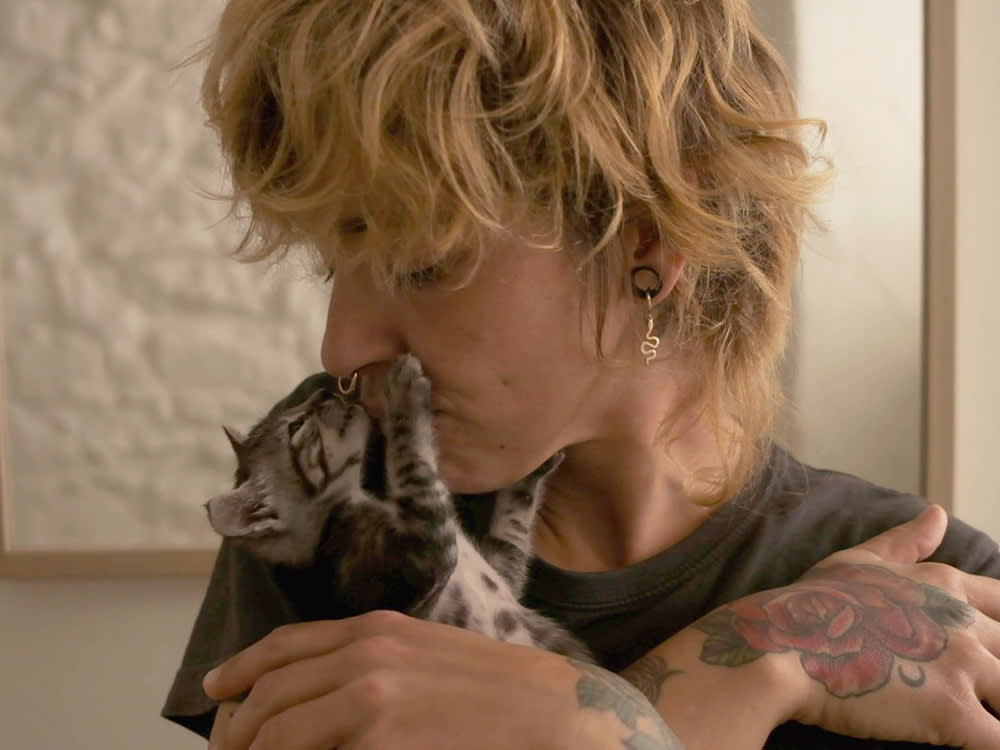
Here is the scene that nobody puts in the adoption brochure. You open the carrier in your living room. Your new cat looks at you, at the room, at the enormous unfamiliar world you have just delivered her into, and she is gone. Behind the couch, under the bed, into the six-inch gap behind the washing machine that you did not know existed.
You will not see her for a day. Possibly three. You will lie awake wondering whether you have ruined her life.
You have not. This is completely normal, and it is the most predictable thing a newly adopted cat does. The problem is that almost every adoption guide is organized around the paperwork and the shopping, and then hands you a cat with a cheerful “bring her home!” as though the hard part is over. The hard part is starting. So let us build the plan around what actually happens, in the order it actually happens.
Before you look at a single listing: decide who you can take on
This is the step people skip because it feels like homework, and it is the step that determines everything downstream.
Not what you want. What you can carry. Be brutally, unromantically honest, because a cat is a fifteen-year commitment and the shelter will take her back if you are wrong, which is a sentence nobody wants to be part of.
A kitten is a delight and a job. She will be awake when you are not, she will climb your curtains, and she will not be who she is going to be for another year. You are adopting a personality that has not arrived yet.
An adult cat is the answer for most people and gets adopted least. Her personality is finished and observable. Shelter staff have watched her for weeks and can tell you, accurately, whether she is a lap cat, whether she tolerates dogs, whether she hides. That is not a downgrade from a kitten. That is a spec sheet.
A senior is the quietest, easiest, most grateful cat in the building and waits the longest for a home. She may come with a medical bill. She will also spend her entire remaining life on your couch being pleased about it.
A cat with special needs, whether that means a chronic condition, missing a limb, or being blind, needs someone who has looked squarely at the cost and the routine and said yes anyway. If that is you, the shelter will weep with relief.
Two cats, if you can. Bonded pairs sit in shelters for months because adopters assume two cats is double the work, when in practice two cats who already like each other entertain each other and leave you out of it. This is especially true of kittens, where a solo kitten in an empty apartment often turns into a bored, mouthy, over-attached adult.
And do not go shopping for a coat color. Everyone arrives certain they want an orange tabby and leaves with a black cat who chose them in the hallway. The breed and the color are the least predictive things about who this animal is going to be in your house.
Look in more places than the big search
Adopt-a-Pet aggregates tens of thousands of listings nationally and lets you filter by age, sex, and size, and, usefully, set an alert so you hear about a match the day it posts. Start there.
Then go around it. Small local rescues, foster-based groups, and cat cafés frequently do not appear in the big aggregators, and they are where the most detailed information lives, because a foster cat has been living in someone’s spare bedroom for six weeks and that person can tell you what she does at 4 a.m.
The meeting is an interview, and you are both being interviewed
Book time to actually be with the cat rather than looking at her through glass. Most rescues and cafés will arrange it.
What you are watching for is not whether she is friendly in the first ninety seconds. A frightened cat in a shelter is not showing you her real personality, and a bold cat may just be an overwhelmed one. Watch instead for how she recovers. Does she come out of the hiding spot on her own after a few minutes? Does she orient toward you or away? Does she relax at all over half an hour, or does she stay locked up the entire time?
A cat who starts scared and slowly softens is telling you something good. A cat who never settles may still be a wonderful cat and simply need more patience than the room can give her, and it is worth asking her foster or the staff what she is like at home, because they will tell you the truth. Their entire job is not sending cats back.
The application, and why it asks all that
Adoption paperwork ranges from a signature to something that feels like a mortgage. Expect questions about who lives in your home and how old they are, whether there are other animals, whether anyone smokes, what your housing situation is, and where the cat is going to live.
Some groups want a landlord’s contact information, a reference from a previous vet, or a home visit. This is not suspicion for its own sake. Nearly every one of these questions traces back to a common reason cats come back through the door, and the group asking them is trying, awkwardly, to make sure this is the last home she needs. Expect to agree to keep her microchip registered, to keep up her medical care, and in many cases to return her to them rather than rehoming her yourself if it ever falls apart.
Have your documents ready and the process takes days, not weeks.
Now build the safe room, before she is in the car
This is the step that guides bury and the one that changes the first month.
Do not bring a cat into an entire house. Bring her into one room. A spare bedroom, a home office, even a large bathroom. Put everything she needs in it: litter box in one corner, food and water well away from the box, a scratcher, a hiding place she is allowed to use (a cardboard box on its side, a covered bed), and something soft that smells like you. A worn t-shirt is genuinely useful here, because scent is how she is going to decide whether you are safe long before she decides it by looking at you.
Then let her hide in it.
The instinct is to coax her out, and the instinct is wrong. Sit on the floor, read a book out loud, ignore her completely, and let her come to you on a schedule she sets. The first sign of progress is usually not the cat. It is a paw under the door, or the food bowl empty in the morning when it was full at midnight. She is on her own clock and it is not yours.
Every adopter calls me convinced the cat has escaped, and almost every time the cat is inside a box spring or behind a dryer. Get on the floor and look at your home from eight inches up. Then look up. If there is a gap you would not think to check, that is precisely the gap she is in, and it is the reason we start a new cat in one closed room instead of a whole house.
Cat-proof, from her eye level and above
People think of cats as too fastidious to chew things. Cats chew things.
Plants first. A number of extremely common houseplants are toxic to cats, and lilies are in a category of their own: every part of the plant, including pollen that lands on the fur and gets groomed off, can cause kidney failure. The ASPCA keeps a searchable database of toxic and non-toxic plants, and it is worth walking your house with it open. Some plants are a mild mouth irritation. Some are a killed cat. The difference matters.
Essential oils next. Cats metabolize a number of the compounds in essential oils poorly, and diffusers and concentrated oils are a real hazard, not a fussy one. If you run a diffuser, stop, or keep it in a room the cat cannot enter and ventilate it.
Then the gaps. Window screens are not cat-proof; they push out, and a cat leaning on one at height is a serious injury waiting to happen. Check the screens. Check behind and under the appliances, the gap beneath a reclining chair, the underside of a box spring, the back of a closet with a hole in the drywall. Cats do not just hide low, they climb, so look up as well: on top of cabinets, on the fridge, on any shelf that will hold nine pounds.
And the small stuff: string, ribbon, hair ties, and tinsel look like prey and can cause a life-threatening intestinal blockage. Get them off the floors.
Buy less than you think, but buy the right things
You do not need the boutique bed. You need:
- A litter box, sized correctly. The rule of thumb is roughly one and a half times the length of the cat, not counting her tail. This is where most people go wrong, because the box the store sells you as standard is too small for a normal adult cat. A kitten needs a box with low edges she can actually get over, and disposable ones are a reasonable stopgap for the first weeks. A senior with stiff joints needs the same low entry for a different reason. And the rule for multiple cats is one box per cat plus one.
- Litter, unscented and unremarkable to start with. Change one variable at a time later if she objects.
- Food appropriate to her life stage, and ideally the same food she has been eating at the shelter for the first week, because a new home and a new diet at the same time is how you get an upset stomach on a beige carpet.
- Bowls, wide and shallow, not deep and narrow.
- A scratcher, both a vertical post tall enough for her to stretch out fully and a horizontal cardboard one, because cats have preferences and it is cheaper to find out than to reupholster.
- A carrier, which is not optional and which she should be able to see and walk into at home rather than meeting for the first time on the way to the vet.
Toys, brushes, nail clippers, and the cat tree can wait a week. Buy them after you have met her opinions.
The paperwork that comes after
Adoption day is not the end of the admin.
She will almost certainly be microchipped, and here is the part that gets missed: the chip does nothing unless it is registered to you. A chip registered to the shelter, or to nobody, is a chip that cannot bring her home. Register it, then confirm the registration, then update it any time you move.
Depending on where you live, you may also need to license her with your city or county. Schedule a first vet visit within the first week or two even if she came with a clean bill of health, because it establishes a baseline and, frankly, because it gets her a positive association with the carrier before she needs one in an emergency. And expect the rescue to check in on you at some point. That is not surveillance. That is a group that cares how this went.
The first 72 hours, realistically
Day one: she hides. Do not chase her. Sit in the room and be boring.
Day two: she eats, probably at 3 a.m. when you are asleep. The litter box gets used. You may still not have seen her.
Day three: a nose, then a face, then a cat who walks past you deliberately to see what you do about it. Do nothing about it. Let her run the negotiation.
Somewhere in the next two weeks, she comes and sits near you, not on you, and pretends it was an accident. That is the moment. Everything after that is the easy part, which lasts about fifteen years and is the best trade you will ever make.
What’s new since this was written
The shelter picture has shifted, and it is worth knowing what you are walking into.
In the most recent national data, about three million cats entered U.S. shelters and rescues over the year, and roughly 2.2 million were adopted. Strays are the biggest slice of intake, and owner surrenders have crept up slightly. The number that should get your attention is the wait: cats now spend a median of around 43 days in care before they leave.
That means two things for you. Shelters are full, so the cat you are looking at genuinely needs the spot. And the cats waiting longest are the adults, the seniors, the black cats, and the bonded pairs, which is to say the ones this article has been quietly recommending the whole time. The easiest cat to live with is very often the hardest one to place, and you can fix both problems with the same signature.
References
- Shelter Animals Count, 2025 Annual Data Report
- ASPCA, Toxic and Non-Toxic Plants
- ASPCA Animal Poison Control Center, Lilies Are Highly Toxic to Cats
- American Association of Feline Practitioners, Feline Environmental Needs Guidelines
- Pet Food Institute and AVMA, Microchipping of Animals
Common questions
How long will my new cat hide?
Anywhere from a few hours to two weeks, and occasionally longer. A cat who hides, eats overnight, and uses the litter box is doing fine. A cat who hides and is not eating or using the box within about 48 hours needs a vet call.
Should I adopt a kitten or an adult cat?
An adult, if you want to know what you are getting. Adult cats arrive with a formed personality that shelter staff can describe accurately, and they are dramatically easier to slot into a household. Kittens are wonderful and are also a large amount of work with a personality that has not finished arriving.
Should I adopt two cats at once?
Often yes, especially with kittens or a bonded pair. Two cats who already like each other are frequently less work than one lonely cat, and bonded pairs wait far longer in shelters because people assume two is twice the trouble.
What size litter box does my cat need?
The rule of thumb is a box about one and a half times the length of the cat, not counting the tail. Kittens need low sides they can actually climb over, and senior cats with stiff joints need a low entry point for the same reason.
What do I actually need before the cat comes home?
A litter box and litter, food and bowls, a scratcher, a carrier, and a closed room set up as a safe space. Toys, beds, brushes, and everything else can be bought in week two, after you have met the cat's actual opinions.
Dr. Nair is a veterinarian focused on diet and feeding. She covers everyday nutrition, treats, and the many "can they eat this?" questions owners ask, grounding each answer in what is actually safe and sensible for dogs and cats.
Meet our experts ↗Keep reading
 First DaysOne Bad Meeting Can Undo Everything: How to Introduce a Nervous Cat to a DogDr. Lena Park · 9 min
 Health & WellnessSpaying Is One of the Best Things You'll Do for Your Pet. Insurance Mostly Won't Pay for It.Jordan Ellis · 7 min
 First Days8 New-Pet To-Dos That Only Matter at 2 A.M.Dr. Nina Kohl · 8 min
 First DaysNew-Pet Chaos Isn't Bad Behavior. It's a Conversation You're Both Losing.Dr. Ravi Mehta · 8 min
 First DaysYou Want a Dog. You Have a Cat. Here's How to Not Blow It.Dr. Nina Kohl · 10 min
 First Days'Fighting Like Cats and Dogs' Is a Myth. Bad Introductions Aren'tDr. Amara Solis · 6 min