


A Dog Trainer's Rule for Brain Toys: Match the Toy to the Boredom, Not the Dog
Photographer Angela Pham taught her Japanese Spitz a dozen tricks. Her enrichment picks work because each one targets a different kind of restless, from the post-meal scarf to the home-alone spiral. Here's what to buy and when.

Affiliate disclosure. This article contains affiliate links. We may earn a small commission if you buy through a link, at no extra cost to you. How we handle recommendations.

The fastest way to waste money on dog toys is to buy for the dog instead of for the problem. A puzzle feeder does nothing for a dog who is bored at 2 p.m. with the house empty; a long-lasting distraction toy does nothing for a dog who inhales dinner in nine seconds. Photographer Angela Pham, who somehow trained her Japanese Spitz Turtle to do a dozen tricks, from ringing a bell to counting to four to faking a limp, between shooting major campaigns, sorts her enrichment toys by the exact moment of boredom they solve. That framing is what makes her picks useful, so we kept it and added the specs, the price ranges, and the catch on each one. We also added a sixth pick the original list was missing: the one that actually burns physical energy.
A quick principle before the list, because it changes how you shop. Enrichment works by making a dog use its nose and brain to earn something, which is genuinely tiring, often more tiring than a walk. The goal is not to keep a dog busy forever. It is to end the session with a calmer, satisfied dog. Rotate these so they stay novel; a puzzle solved daily stops being a puzzle.
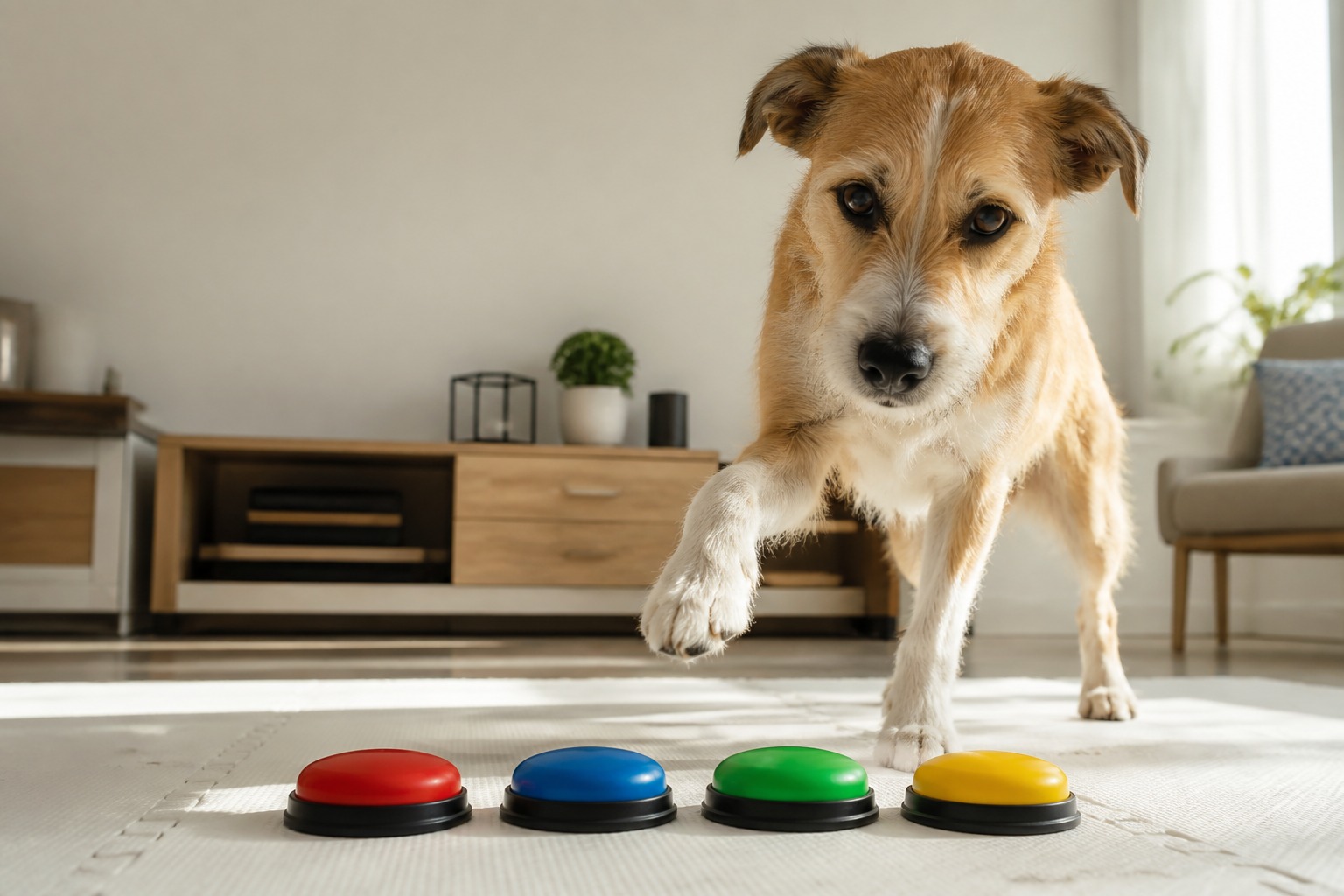
recordable buttons
If your dog is bright and you have patience, talking buttons are the deep end of enrichment. Pham used a set to teach Turtle numbers and counting.
What to know before you buy: this is a training commitment, not a toy you toss on the floor. A starter four-pack of recordable sound buttons runs around fifteen to twenty-five dollars, and you can expand later. The dogs who thrive here are food-motivated and people-focused; a more independent dog may never bother.
“Start tiny,” Pham advises. “One button for one thing the dog already wants, potty, food, play, and press it yourself every single time before that thing happens. The learning is in the consistency, not the gadget.”
a slow-feeder bowl
The simplest, lowest-effort pick on the list, and the one with a real health payoff. Dogs who gulp their food swallow air, which raises the risk of stomach upset and, in deep-chested breeds, bloat.
A slow feeder turns a ten-second binge into a five-minute foraging session. It is the rare enrichment toy that helps the dog’s body and brain at once.
A molded maze-pattern slow-feeder bowl costs roughly ten to eighteen dollars. Pick one sized to your dog’s snout, deep ridges are useless if a flat-faced dog can’t reach into them.
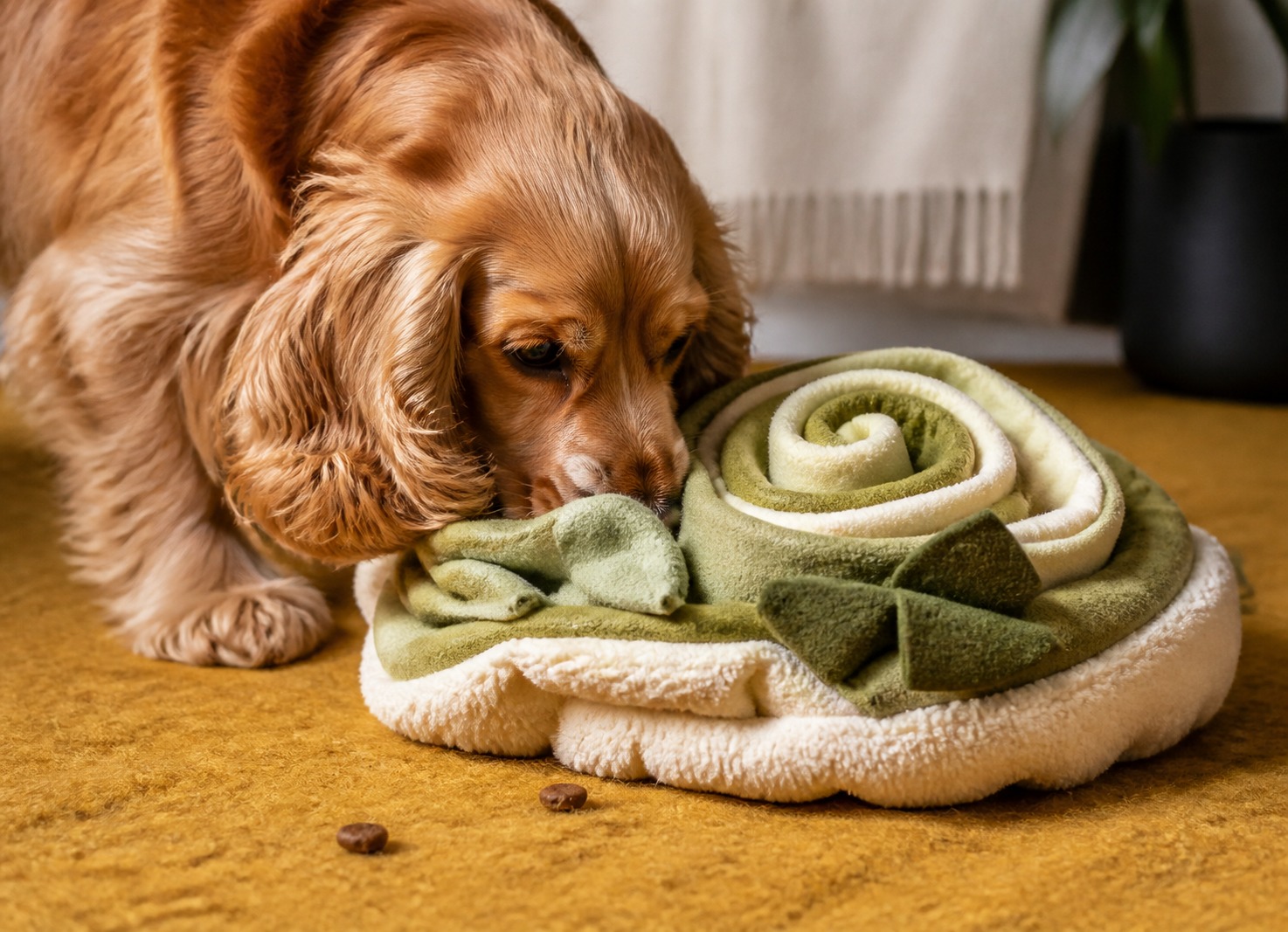
a treat-hiding snail
This is Pham’s separation-anxiety hack, and it is smart psychology. She hides high-value treats in a plush snail right before she leaves, so the hardest moment of the day, the door closing, gets paired with the best smell in the house.
A plush hide-and-seek puzzle toy with removable squeaky inserts runs about twelve to twenty dollars. Reserve the stuffing treats for departures only, that’s what keeps the association strong.
“It distracts Turtle for those critical few minutes while we slip out quietly,” Pham says. “The trick is using treats good enough that she’d rather work the toy than watch the door.”
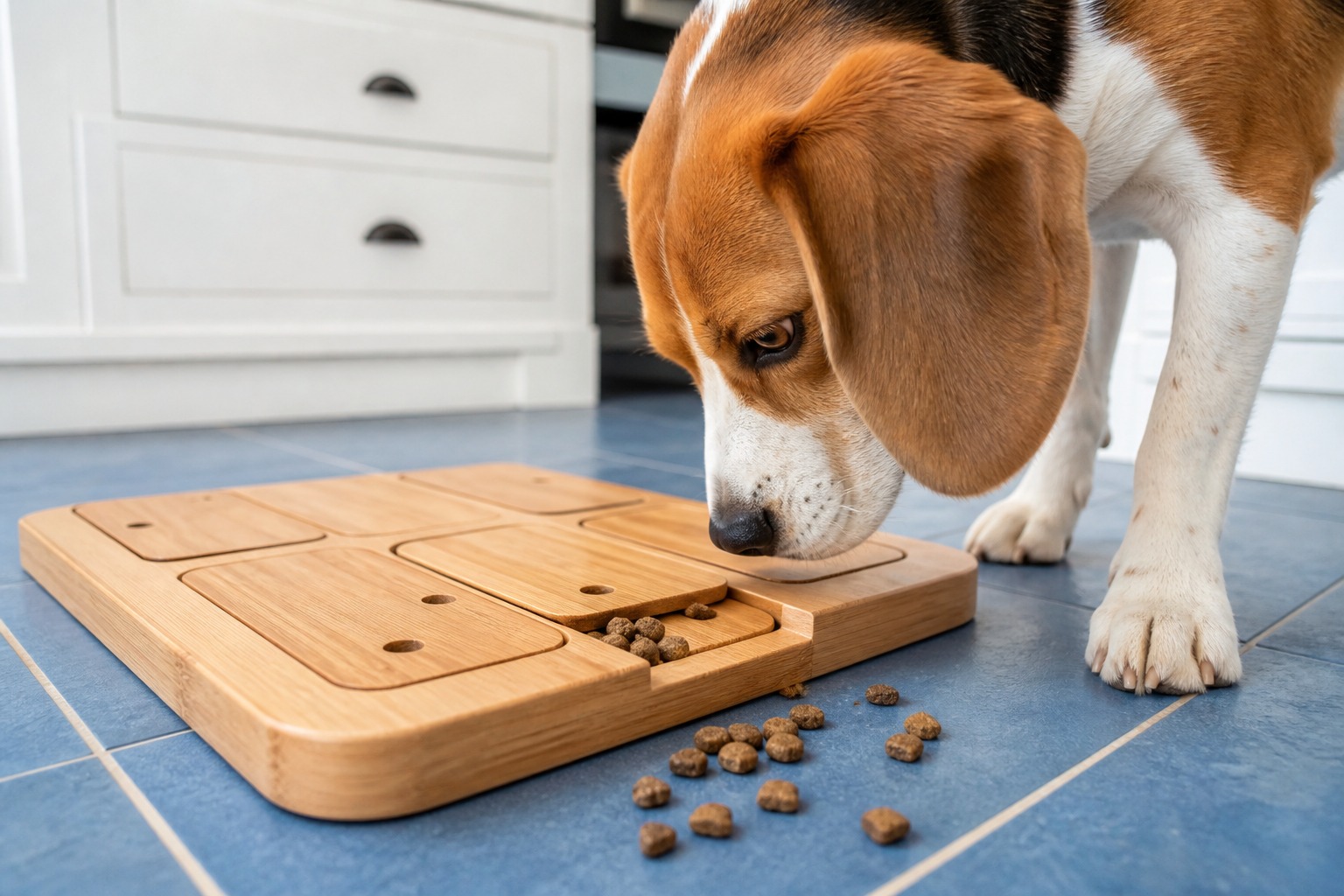
a sliding puzzle board
For dogs who solve the easy stuff and look bored, step up to a multi-step puzzle with sliders, flips, and lift-out compartments. Pham loves these because they tap a real instinct.
Look for interactive puzzle boards rated by difficulty level, around fifteen to thirty dollars; start at level one even with a clever dog, because frustration kills interest faster than boredom does. Supervise the first few rounds so a determined chewer doesn’t just demolish it.
“Dogs are built to scavenge and sniff out food,” she says. “A hard puzzle just gives that drive somewhere to go indoors.”
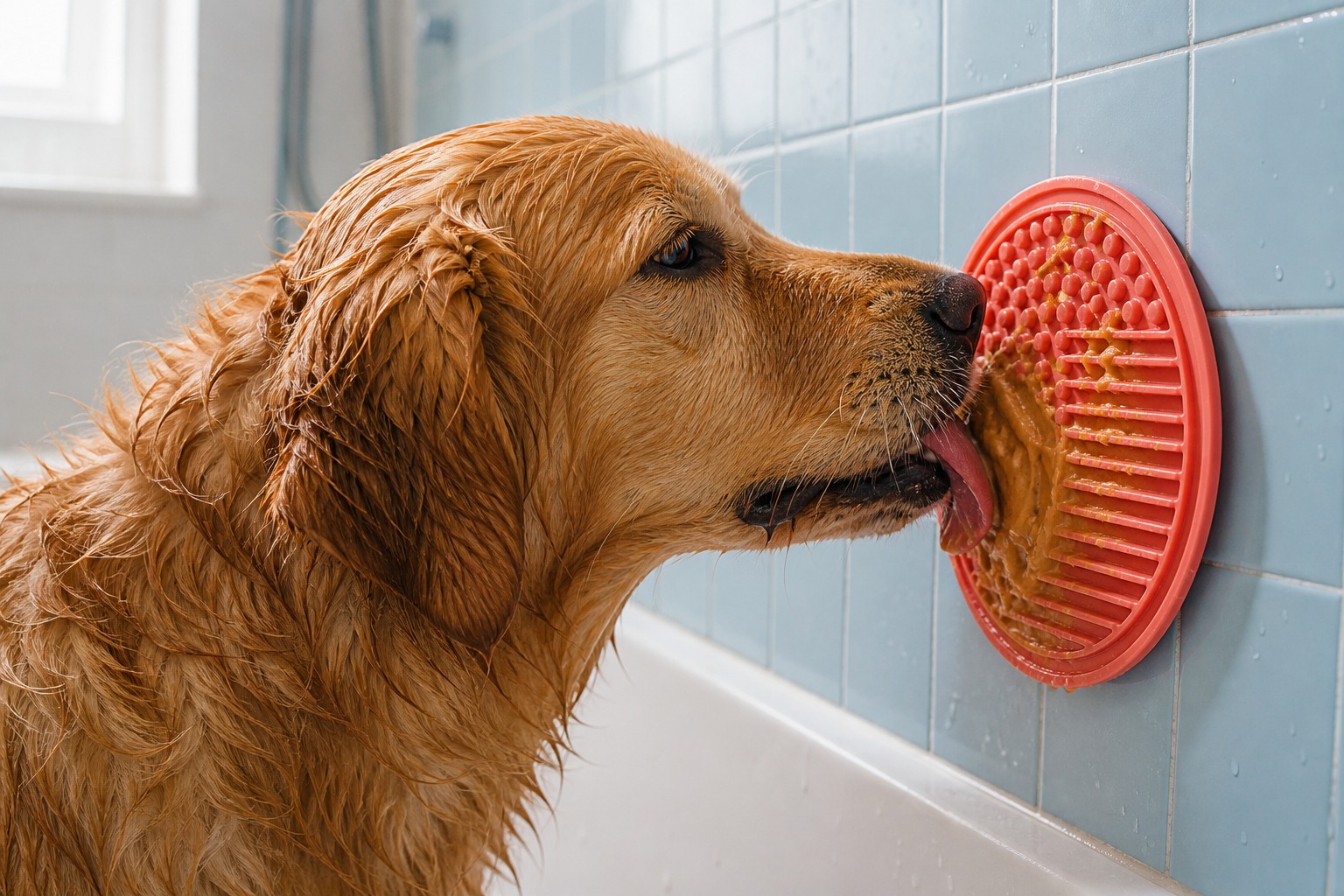
a suction lick mat
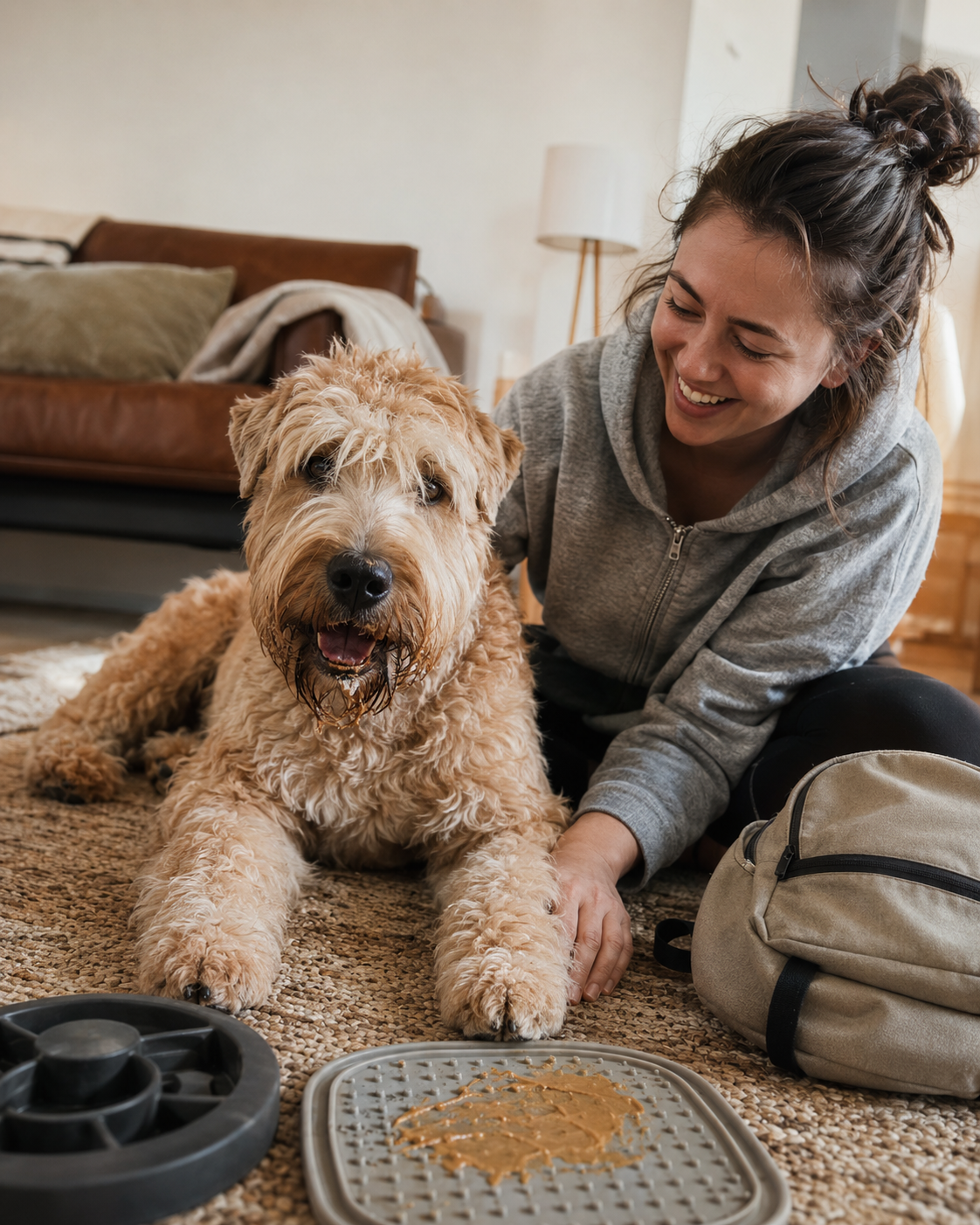
Not on Pham’s original list, but it earns a spot for the dog who needs to settle rather than solve. Spread a thin layer of something soft and freezable across the textured surface, and the repetitive licking is genuinely calming, useful before a vet trip, during a storm, or at bath time.
A suction-backed lick mat is about eight to fourteen dollars and sticks to a wall or tub. Choose food-grade silicone and run it through the dishwasher.
“Licking is self-soothing for dogs the way deep breathing is for us,” Ford notes. “A lick mat is the cheapest anxiety tool in the house.”
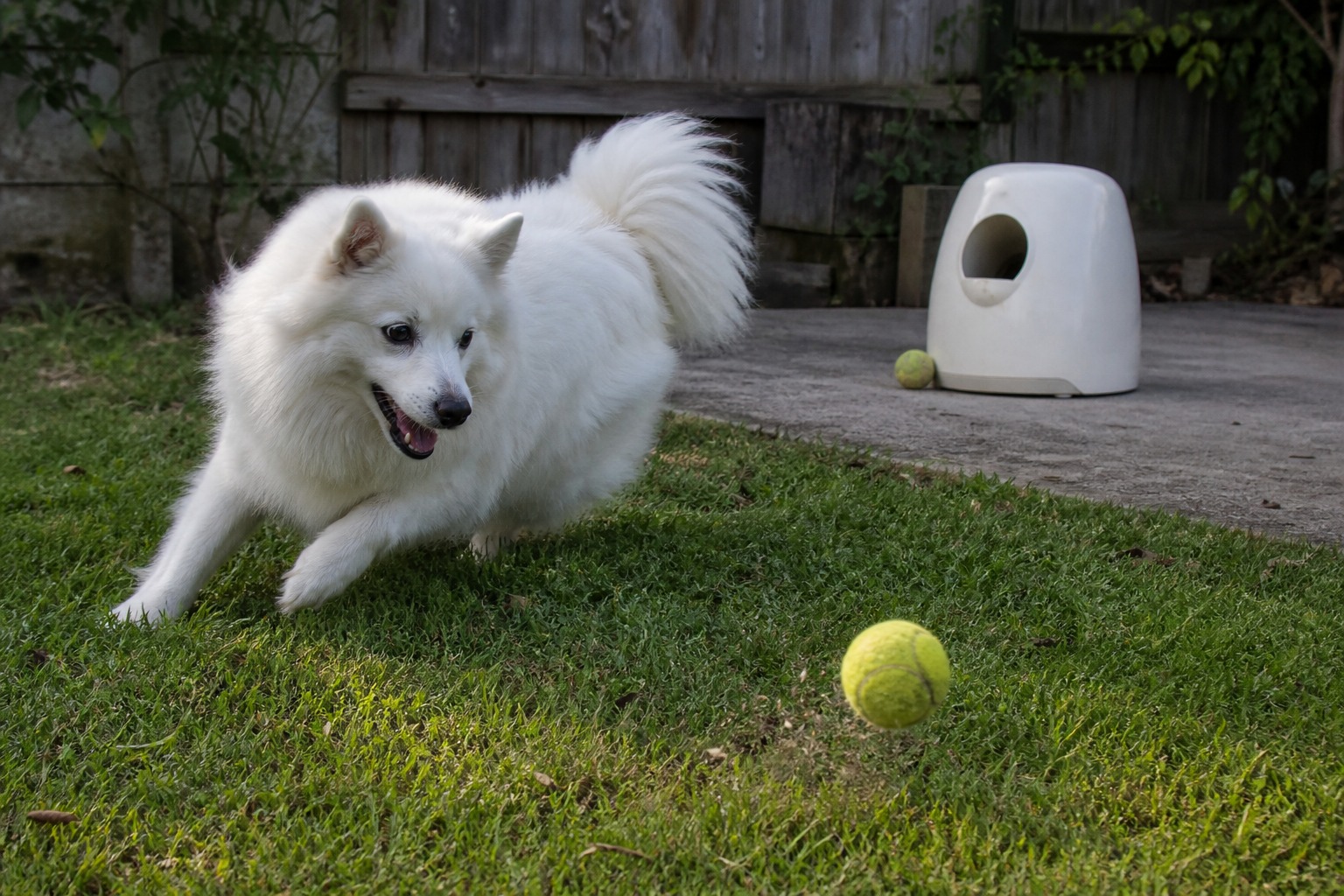
an automatic ball launcher
The picks above tire the brain. This one is for the dog whose problem is a body with too much in the tank, and for the owner who is, in Pham’s honest words, a little lazy.
An automatic ball launcher runs roughly ninety to a hundred and forty dollars, the priciest pick here, and many models let dogs learn to reload the ball themselves, which becomes its own puzzle. Use it in a yard or a long hallway, and cap sessions so a ball-obsessed dog doesn’t overdo it.
The through-line across all six: buy for the specific restless moment you keep running into, give the toy meaning by controlling when it appears, and rotate so novelty lasts. A clever dog with the right toy at the right time is a tired, contented dog, which is the whole point.
“It’s perfect for high-energy dogs and low-energy humans,” Pham says. “It burns a ton of the dog’s physical energy and almost none of yours.”
References
Sasha Ford is a certified cat behaviour consultant who has worked with shelters, catteries, and private clients across the country. They review all feline behaviour content at The Pet Times, with expertise in multi-cat households, indoor enrichment, and stress-related disorders.
Meet our experts ↗Keep reading
 Product Picks12 Holiday Gifts Your Dog Will Actually Use, Not Just UnwrapMarcus Webb · 6 min
 Product Picks22 Spooky-Cute Toys and Treats Your Resident Goblin DeservesSara Lim · 8 min
 Product Picks8 Pet Advent Calendars Worth the Countdown (and How to Pick One)Sasha Ford · 6 min
 Product Picks27 Holiday Gifts Matched to Your Pet's Actual PersonalityLeila Torres · 6 min
 Product PicksA Groomer's Cold-Weather Picks, Sorted by the Dog That Actually Needs ThemSasha Ford · 5 min
 Product Picks6 Senior-Dog Essentials That Actually Make Old Age EasierSara Lim · 6 min